How to Choose the Right Painting Surface
When artist Dianna Shyne (Ep82) walks into her studio, she knows exactly what surface she’s going to work on.
No spending half a day debating canvas versus panel versus paper. No wondering whether today should be big or small.
She walks in and knows.
In fact, she has only two choices: masonite or canvas. She can reach for either one with complete confidence.
That confidence has a bigger impact than you might think.

Surfaces matter. Not because choosing the right one will magically make a painting work.
Surfaces matter because of habit.
Many artists spend an enormous amount of time trying to figure out the "best" surface. It's a huge indecision sinkhole.
That indecision carries a cost.
Here’s how: You finally get an afternoon to paint, but spend half of it sorting through a dozen different surfaces trying to find the perfect fit. You worry about choosing wrong. That worry consumes energy you could be using to build skills.
Painting, and especially learning to paint, takes focus. Choosing your surface isn't where you want to spend most of it.
So how do you find a surface you can trust?

The Importance of Preference
Your best materials are a combination of preference and logistics.
But the order matters.
Most of us start with logistics.
What size do I want to work?
What will buyers want?
How will I frame it?
Those questions are important eventually, but they aren't where you should start.
Start with preference.
Shyne learned that she likes smooth surfaces. Once she knew that, she could find smooth surfaces in different sizes and formats.
It started with learning what she liked.
Let's look at three steps you can use to discover what you want in a surface.
Start (Incredibly) Specific
First, choose a specific surface and learn how it works.
That means choosing one type of surface and sticking with it until you're deeply familiar with it.
That feels counterintuitive.
Most artists start by exploring lots of materials, hoping they'll stumble across the perfect fit.
Someone gave you canvases. Watercolor paper was on sale. You still have Bristol board left over from years ago.
It's good to use what you have.
But constantly jumping between materials makes it difficult to learn how any one of them actually works.
To understand a material, you need time with it.
When you learn one surface well, you gain something valuable: a reference point. Without that reference point, it's difficult to know whether another surface is actually better or simply different.
So choose the surface you'll use for the next 20 days and put everything else away.
This will feel uncomfortable.
Watercolorists, choose one weight and texture of paper. Maybe that's a 90 lb sketchbook, 140 lb hot press paper, or 300 lb cold press sheets. Use it for studies, practice, and finished work.
Oil and acrylic painters, choose one surface. Canvas pads, stretched canvas, boards. Pick one.
You'll still use sketchbooks for drawing and value studies. But when the paint comes out, default to your chosen surface.
At this point many artists ask:
"How do I know which surface is the right one?"
You don't.
You don't have enough information yet to know what "right" means.
Your job isn't to choose perfectly. Your job is to choose something specific and stick with it long enough to learn from it.
At first the surface will feel exciting. Then it may become frustrating.

Stick with it.
Even when you're convinced there's something better out there.
Because if you stay with it, you'll eventually stop thinking about the material and start understanding it.
You'll learn how it works with your paints.
How it works with your subjects.
How it works with your process.
You'll discover its strengths and weaknesses.
That's the goal.
There is no perfect surface. There are surfaces you know how to use well.
Only then are you ready for step two.
Expand and Explore
Now that you know one surface well, it's time to experiment.
A word of caution though.
Your instinct will be to do this before you're ready.
When things get difficult, you'll wonder if the problem is simply that you haven't found the perfect surface yet.
Usually it isn't.

So make sure you've spent enough time with your first surface before expanding.
Once you have, start exploring intentionally.
Keep other variables limited. Use similar subjects. Similar palettes. Similar approaches.
That allows you to focus on the surface itself.
Compare each new surface to your home base.
Does it feel better or worse?
Does it support the techniques you enjoy?
Does it make certain approaches easier?
Pay close attention to your preferences.
If you don't like something, that matters.
You don't need a perfectly logical explanation.
This stage is about collecting information.
Notice:
How the surface receives paint
How brushwork feels on it
How easily it layers
Which techniques it supports
How well it handles your process
If you love large watercolor washes, your paper needs to support them.
If you're a mixed-media artist who scrapes aggressively into the surface, it needs to withstand that treatment.
If you're an oil painter who loves heavy impasto, your surface needs to support that weight.
You're trying to match the way you naturally work with a surface that supports it.
There is no perfect surface.
There are surfaces that fit your process better than others.
Once you've identified those preferences, you're ready for step three.
Adjust Physical Logistics
Now it's time to solve the logistical questions.
Size.
Format.
Storage.
Preparation.
Modern surfaces come in countless options, which can feel overwhelming.
But once you know what you like, those choices become much easier.
Preference first.
Logistics second.
Shyne discovered she likes smooth surfaces.
The challenge was that she paints both small and large.
Masonite works beautifully for small paintings. But as the size increases, so does the weight.
Her solution was simple.
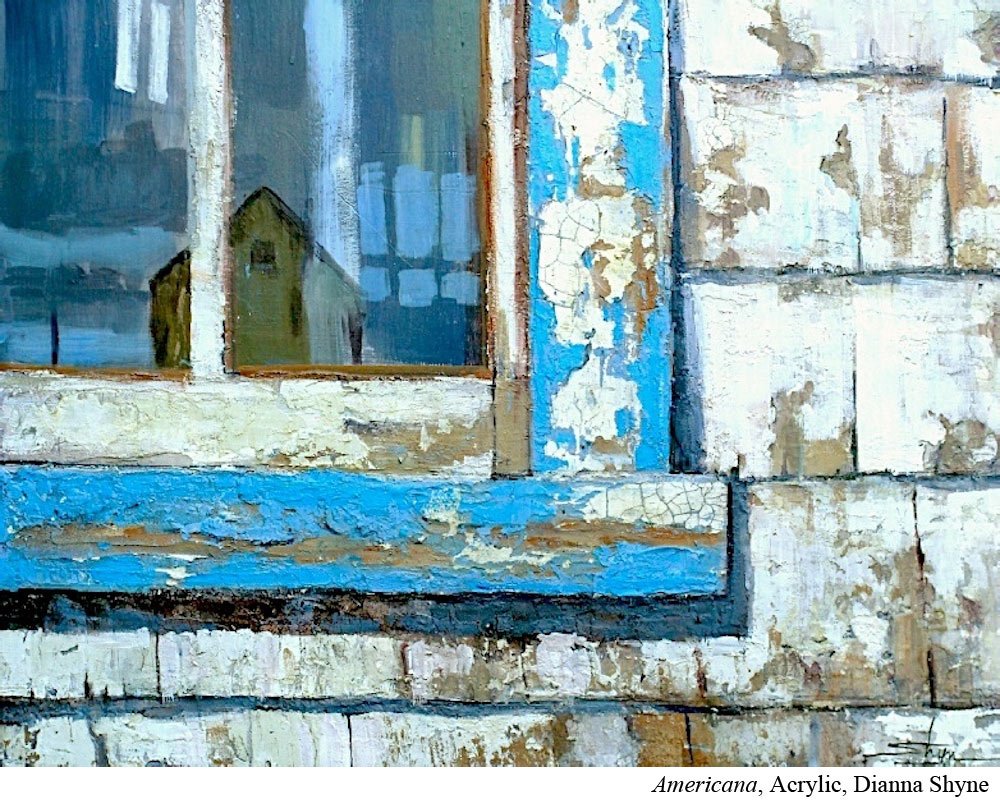
She uses stretched canvas for larger work and applies several coats of gesso to create the smooth surface she prefers.
Because she understands her preference, she can adapt other materials to fit it.
You can do the same.
Ask yourself:
What surface will I use when I work small?
What surface will I use when I work large?
The answer might be the same material. It might not.
Just make sure you're considering practical realities like weight, storage, transportation, and shipping.
Notice that these are step-three questions, not step-one questions.
There is no perfect surface.
There are plenty of good options that can meet your size, storage, and shipping needs.
Put It to Practice
If you're spending more than two minutes choosing a surface in your studio, it probably means you don't know what you like... yet.
The good news is that you can figure it out.
It does require pushing through some discomfort.
When you're getting started, almost everything feels unfamiliar. There's the excitement of trying something new, followed by the phase where you begin noticing limitations and frustrations.
At that point, many artists switch materials, hoping the next surface will solve the problem.
Spoiler: it won't.
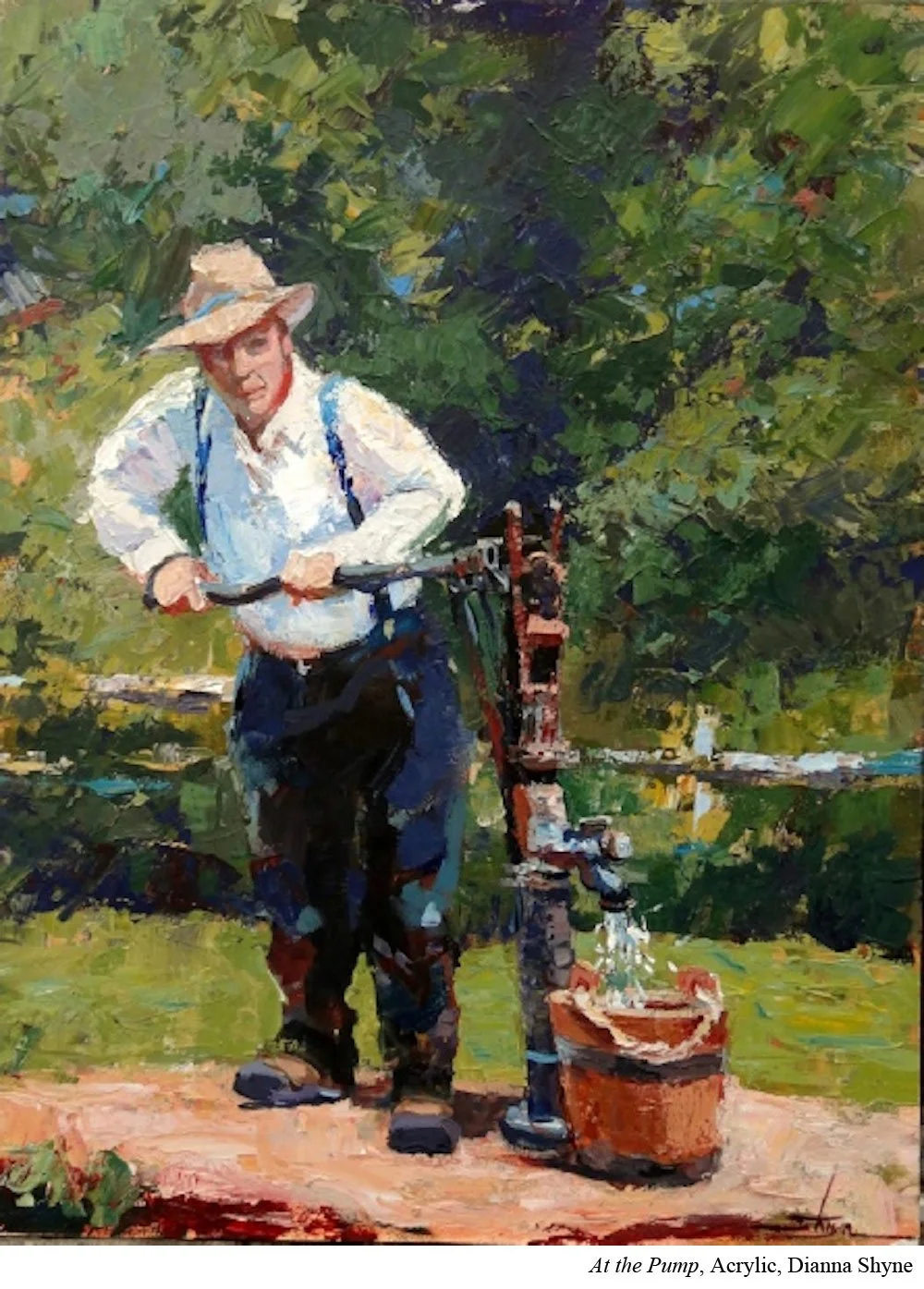
A surface has to interact with your paints, brushes, techniques, subject matter, and even the size you're working. It takes time to understand how those variables work together.
The good news is that you can learn a tremendous amount about a surface just by trying it out for even just 20 days.
So choose a starting surface and commit to it.
Once you're familiar with it, begin experimenting.
Notice what feels better, worse, easier, or harder.
Pay attention to your preferences.
Do you like smooth or textured surfaces?
Do you prefer a surface that absorbs paint quickly or lets it sit on top?
Which surfaces support the way you naturally like to work?
Once you know what you prefer, the logistical questions become much easier to answer.
And when you know what you like, you can spend less time debating surfaces and more time painting.