The Real Reason You Keep Getting Bored
If I told you, “You’re going to paint bouquets of flowers for the next 16 years,” what would your first response be?
“Won’t I get… bored?”
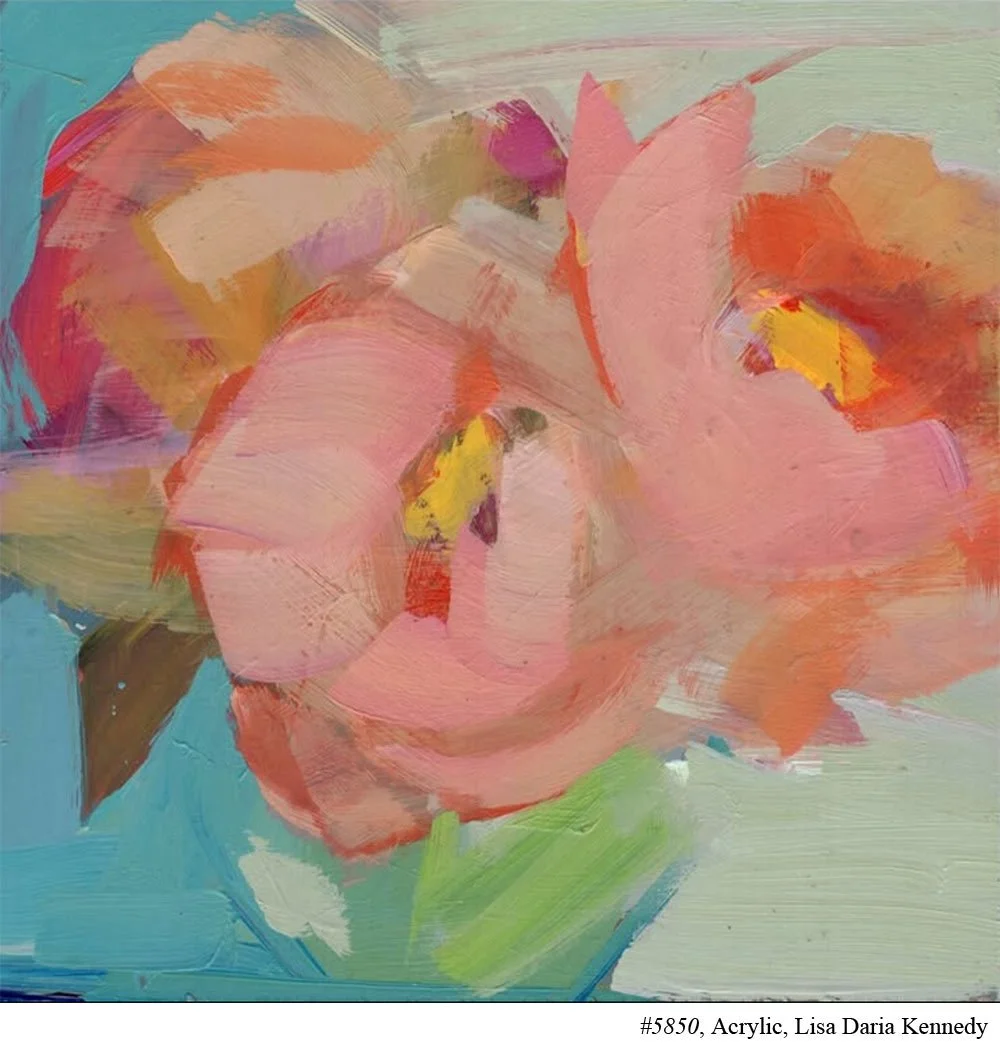
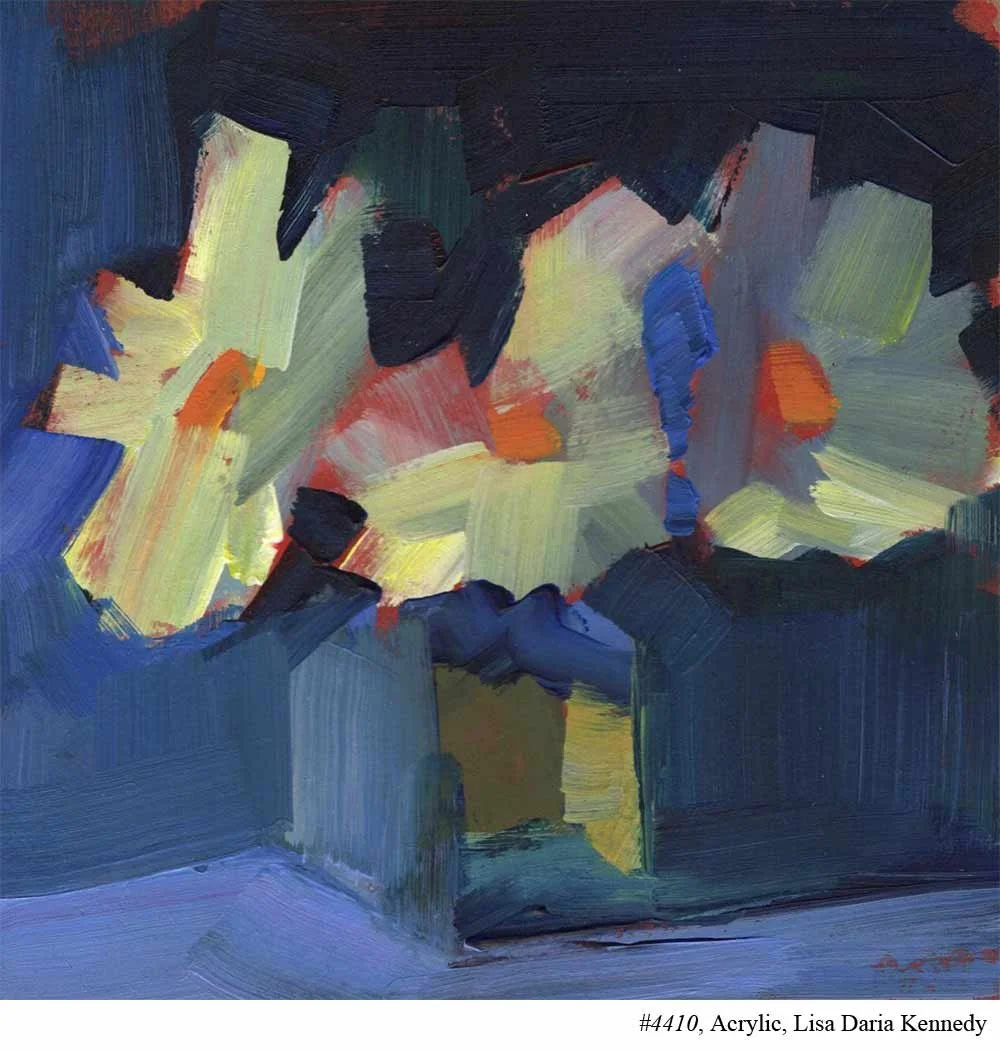
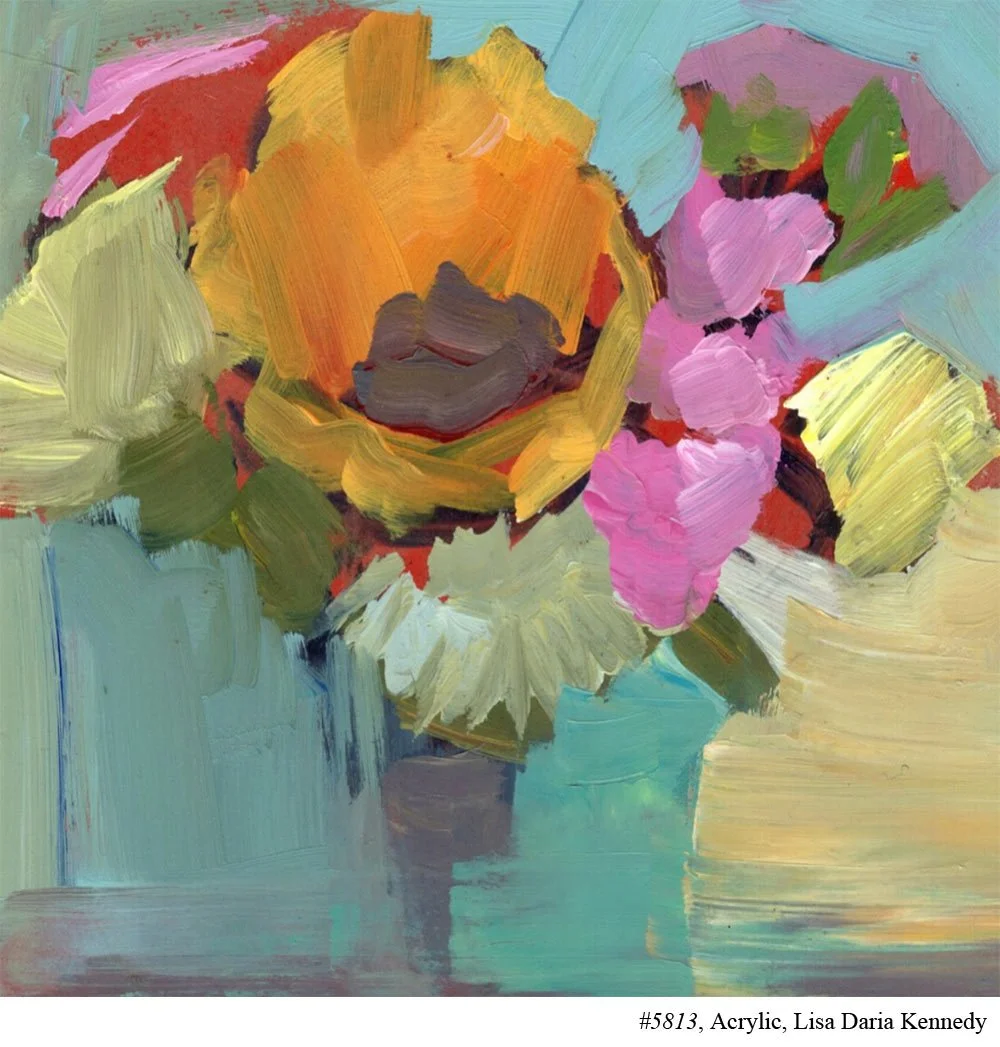
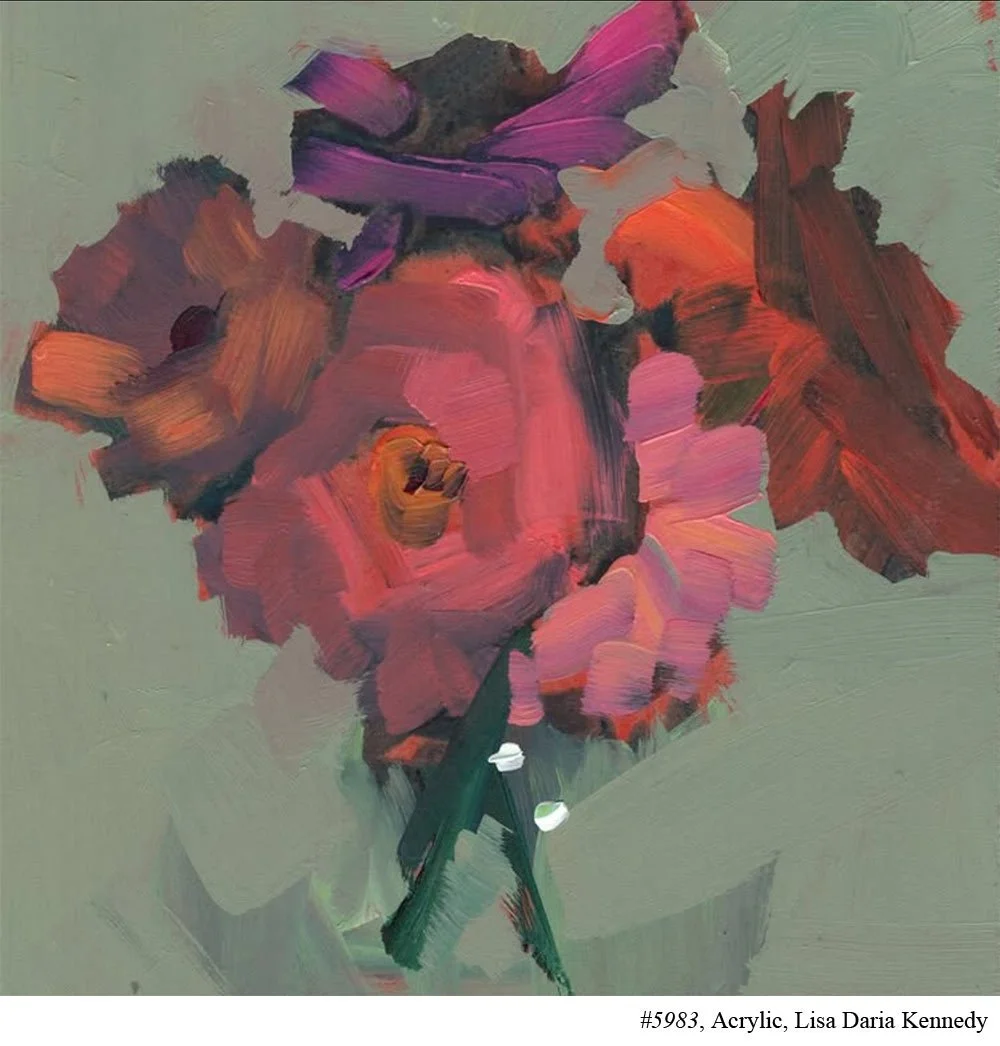
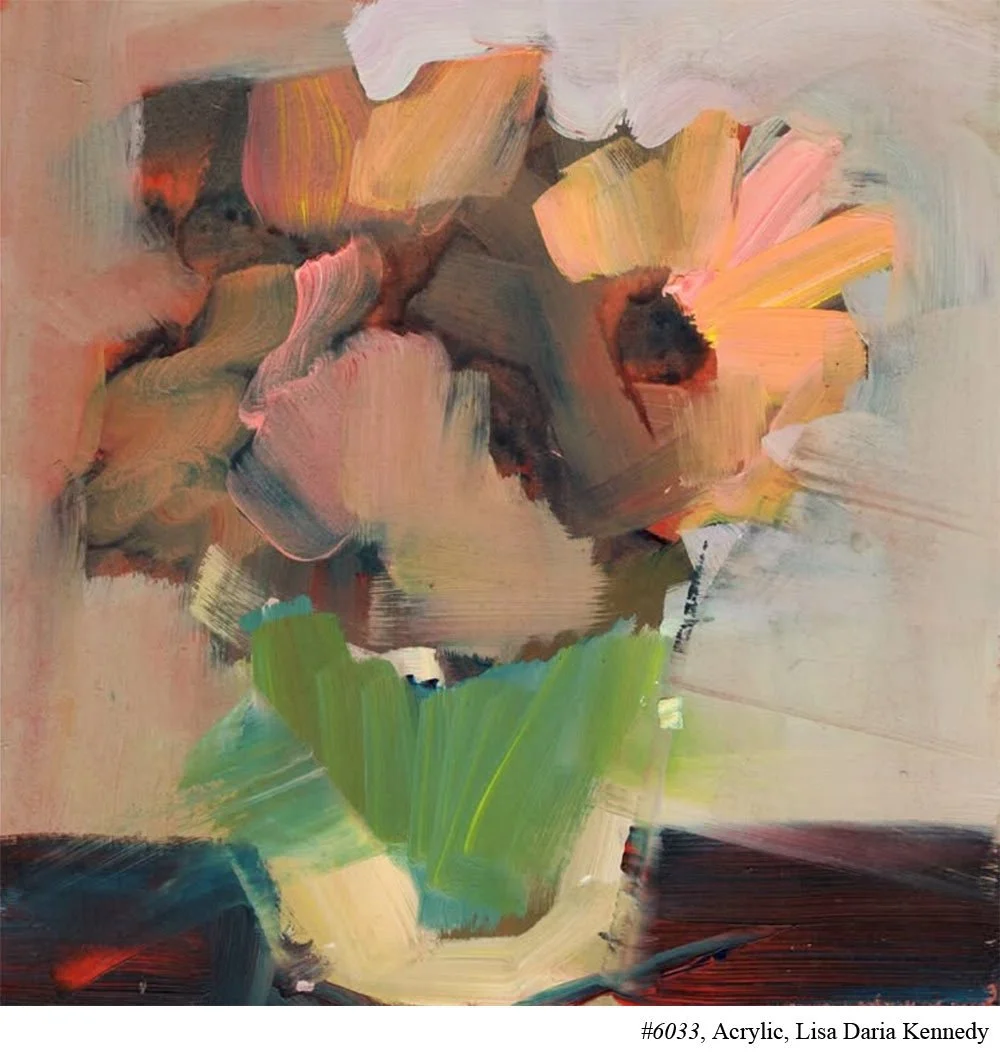
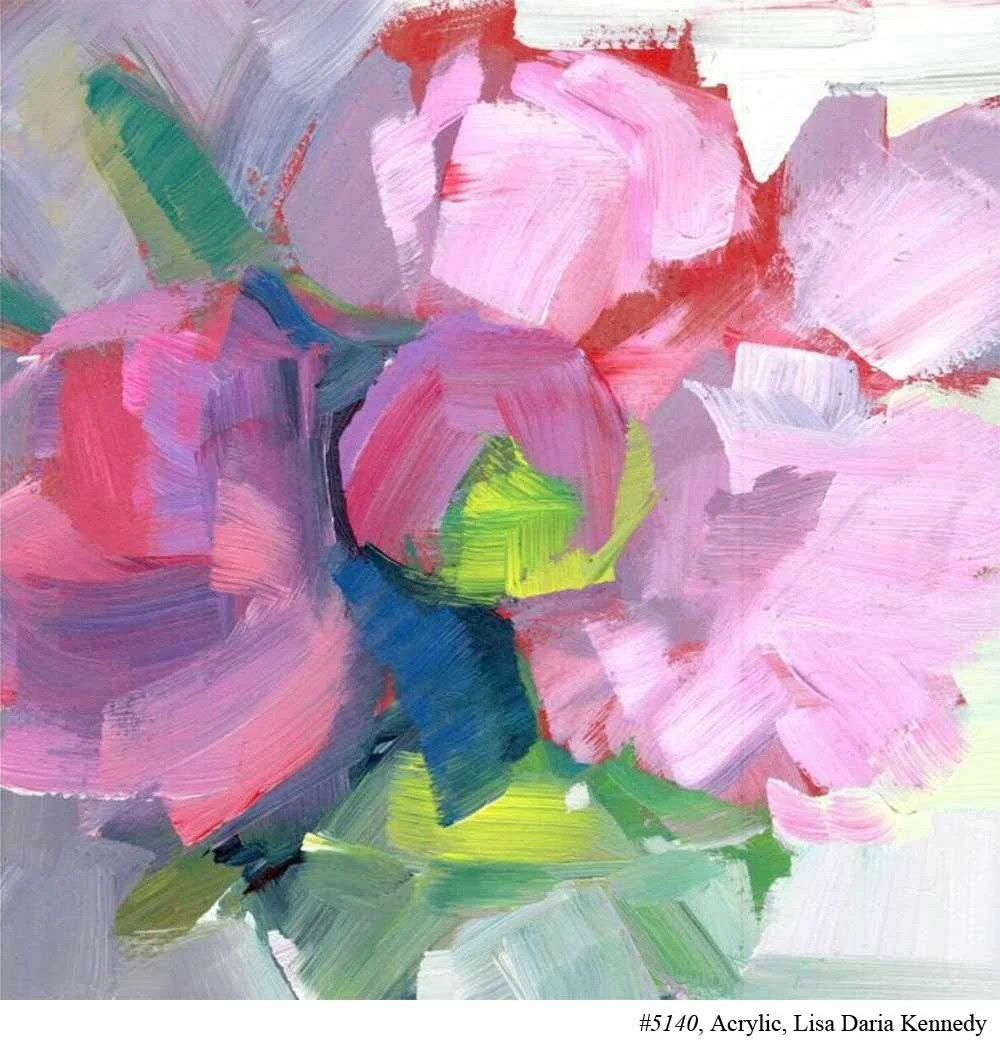
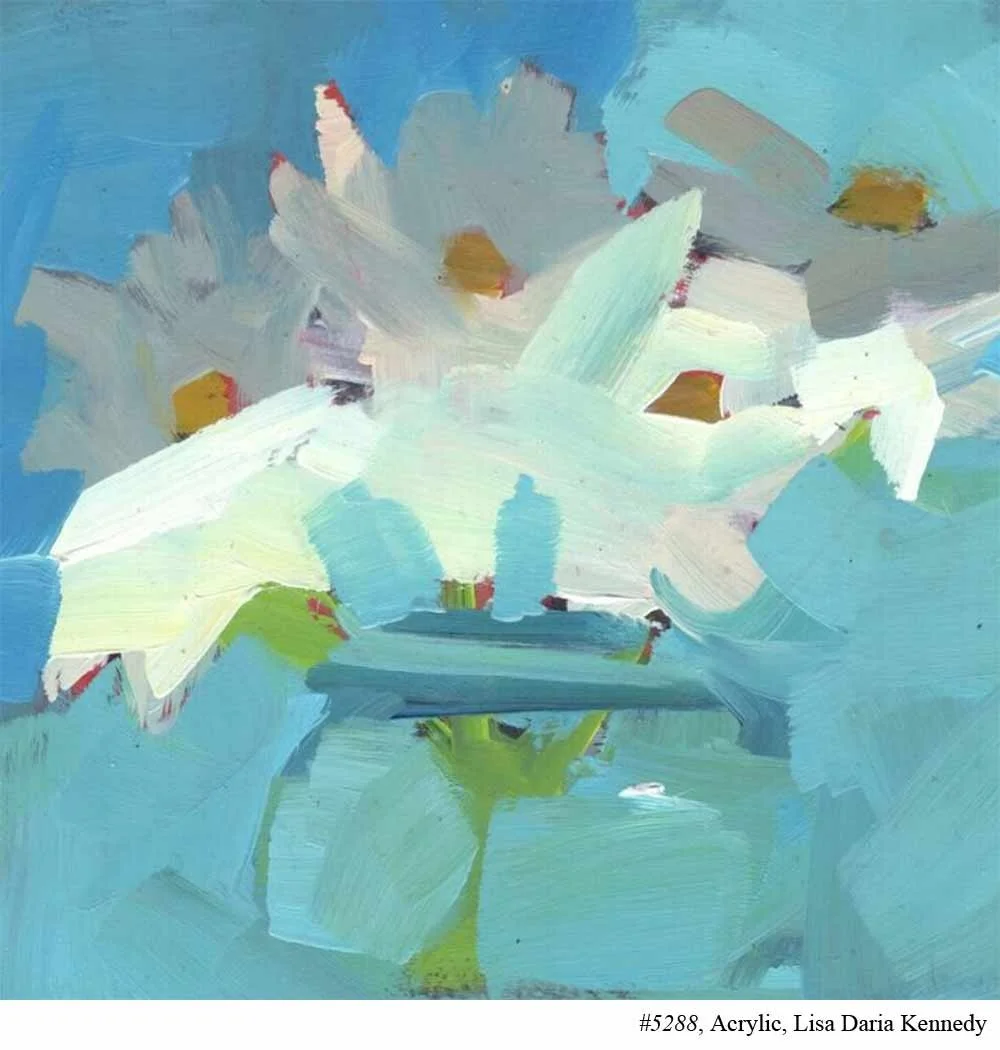
But artist Lisa Daria Kennedy (Ep.14) has shown up every day and painted for 16 years. That’s more than 6,000 paintings, most of them floral paintings on 6x6 squares.
Most artists assume boredom is something to be avoided BECAUSE it means you’re doing something wrong.
Maybe you picked the wrong subject or lost inspiration.
Maybe you need new material or a totally different direction.
So when boredom shows up, the natural response is to panic and switch gears.
You:
Change mediums.
Change subjects.
Head to the art store for something new.
But boredom doesn’t always mean something is wrong.
Kennedy hasn’t painted flowers for 16 years because the work always felt exciting.
She’s painted flowers for 16 years because she learned how to keep going after the work stopped feeling new. And staying with the same subject that long allowed her to notice things she never would have seen otherwise.
Boredom has different causes and different solutions.
So let’s look at five different kinds of boredom and what to do about them.
Reset Your Space
Sometimes boredom is your environment fighting you.
We underestimate two things in art:
How much energy painting and drawing take.
How much our surroundings affect that energy.
If you’re trying to work through value, color mixing, or process while constantly knocking things off your table with your elbow, frustration builds fast.
And the problem doesn’t end when you leave the studio.
You walk back in the next day already carrying some resistance. Suddenly you’re thinking about all the other things you could do instead. Or should do instead.
The fix can be surprisingly small.
Set a timer for five minutes.
Put things away.
Clear your workspace.
Clean your brushes.
Put frequently used materials somewhere easy to reach.
That’s it.
Sometimes you’ll keep going after the timer ends.
Sometimes you’ll just feel more willing to come back tomorrow.
Either way, the space gets easier to return to.
Prime Your Curiosity
Sometimes boredom shows up because your art only exists during the exact moment you’re trying to paint.
The rest of your day is errands, appointments, work stress, pickups, logistics.
Then you walk into the studio and expect your brain to suddenly care deeply about painting… but you haven’t given it anything to care about yet.
Sometimes it just responds with: “eh.”
One thing that helps is thinking about your work before your official art time starts.
Keep it tiny. Small is what makes it sustainable.
For example, I’m painting lemons as a daily project. I keep lemons sitting out in my studio so I can watch the light change across them throughout the day.
When the light gets interesting, I snap a photo. Then I spend 30 seconds studying the light and dark patterns.
So when I walk into the studio later, I already have something I’m curious about.
You could:
Take a few reference photos.
Do a contour drawing.
Paint a tiny value study.
Keep it under five minutes.
Even better, under three.
The goal isn’t to make finished work. It’s to get something simmering in the background.
That way when you finally sit down to paint, you’re not starting from zero.
Increase Your Frequency
Sometimes you’re just tired of restarting.
If you paint every two weeks and spend three months finishing one painting, boredom makes sense.
Not because the subject is boring, but because you’re totally unclear what past you was trying to do.
What colors did you mix?
What were you planning to change?
Why did you leave this area unresolved?
And when a painting has taken months to build, every decision starts feeling really important.
You become afraid of ruining what you’ve already done.
That’s when boredom sneakily turns into avoidance.
Kennedy paints every single day. She doesn’t need to spend an hour trying to figure out what she was doing yesterday… because she just starts something new again today. But not totally new. It has enough repetition to it that she’s clear on the steps. She just did all of them yesterday.
And she doesn’t place enormous pressure on any single painting because she already knows she’ll paint again tomorrow.
Painting more often creates familiarity. You develop rhythms. You feel clearer about your process. You spend less energy restarting and more energy actually painting.
Commit to Multiples
Sometimes boredom comes from staying too close to the surface.
One-off painting is when every new painting becomes a completely different project.
A watercolor landscape.
Then an acrylic floral.
Then a pastel portrait.
There’s nothing wrong with that approach, but it gets exhausting faster than most people expect.
Every new direction requires new decisions, new problem solving, and new skills.
And when you constantly start over, your curiosity never gets a chance to deepen.
Multiples work changes that.
Instead of painting one landscape and abandoning landscapes for six months, maybe you commit to 20 days of landscapes. Or 15 acrylic florals before changing direction.
If you've never tried working this way, at first the idea sounds boring.
But in practice, it usually becomes more interesting.
When you repeatedly paint landscapes, you start noticing light differently during your commute. You notice color shifts in trees. You become more aware of atmosphere.
If you repeatedly paint flowers, you start seeing shapes everywhere. Suddenly you notice flowers in neighbors’ yards you’ve somehow ignored for years.
If you focus on faces, you begin noticing subtle plane changes and tiny shadow shapes that used to feel invisible.
Multiples give your curiosity somewhere to settle in and grow.
Add Intentional Novelty
And yep, sometimes boredom is actually boredom.
There’s always tension between novelty and overwhelm, comfort and stagnation.
So before completely reinventing your practice, try adjusting five degrees instead of 180.
Make one small shift and see what changes.
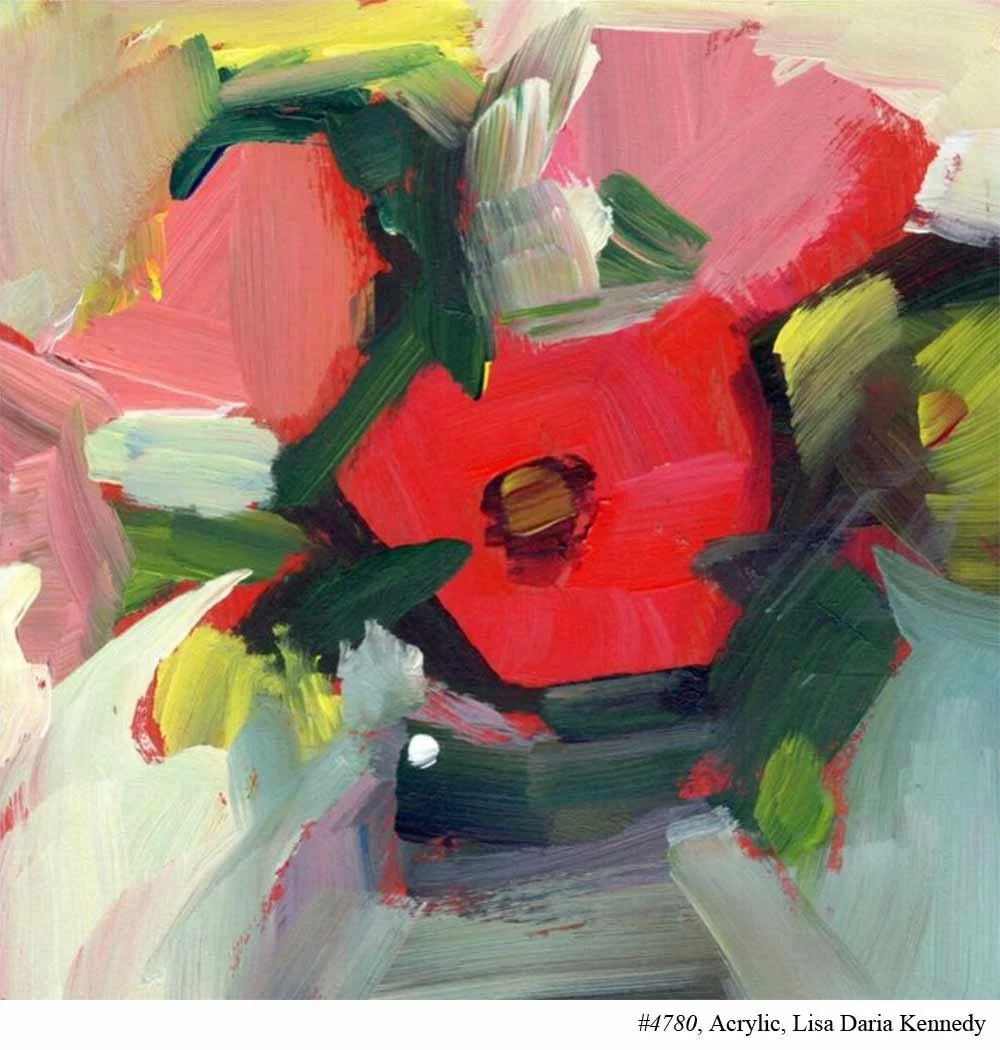
For Kennedy, that means bringing home a new set of flowers each week.
For me, it meant buying colorful papers to place beneath my lemons and spending an afternoon or two hunting for colorful Fiestaware plates in thrift stores.
Maybe you add one new color to your palette.
Maybe you start adding rivers into your landscapes.
Maybe you move from straight-on portraits to three-quarter views.
Small shifts are often enough to wake your curiosity back up without forcing you to start over completely.
Put It to Practice
To find a solution, first you have to catch the feeling. First, look for your boredom tell. These are the actions you take when you feel bored.
Maybe you wander your studio looking for something else to paint.
Maybe you grab your phone and scroll Pinterest or Instagram.
Maybe you start browsing art supplies online.
This is your tell. You’re avoiding… something.
Next, try to figure out what that means you need. Because it may not be new art supplies.
Are you walking in cold?
Are you tired of restarting?
Is your environment frustrating you?
Have you abandoned things before your curiosity had time to deepen?
Or do you simply need a little novelty?
Spend five minutes journaling about it.
That reflection alone may you spark your curiosity again and get back into the work.
Finally, try something from the list. Even if you don't know if it will work. Sometimes any action at all, dislodges the boredom.
But if nothing else works, spend that five minutes resetting your studio. That’s never wasted time.
You’ve Got This
A lot of art is genuinely fun.
But sometimes you’re going to hit boredom.
That doesn’t mean you’re doing it wrong. Often it means you’ve stayed with something long enough to move past novelty and into the harder parts of learning.
Boredom shows up when you’re circling a problem, experimenting, or trying to see more clearly.
It often appears right before something finally clicks.
The goal isn’t to eliminate boredom completely.
The goal is to recognize what kind of boredom you’re experiencing so you can respond to it in a way that’s actually useful.
And sometimes, honestly, you’ll paint bored for a few days.
That’s okay too.
Find the full conversation with Lisa Daria Kennedy here.