
How to Avoid Muddy Color in Your Paintings with Dreama Tolle Perry
If you want to avoid muddy color, Dreama Tolle Perry (Ep18) knows you need a system that starts with your palette and ends with the marks you make on your painting.
Because mud can happen in all sorts of places.
It can happen when colors accidentally mix on your palette. It can happen because there’s still paint in your brush. And it can happen right on the painting when you work and rework an area until colors that were once distinct begin blending together.
So if you find yourself regularly mixing beautiful colors only to watch them turn dull on the painting, it’s worth looking at your entire process.
Here are four places to start.
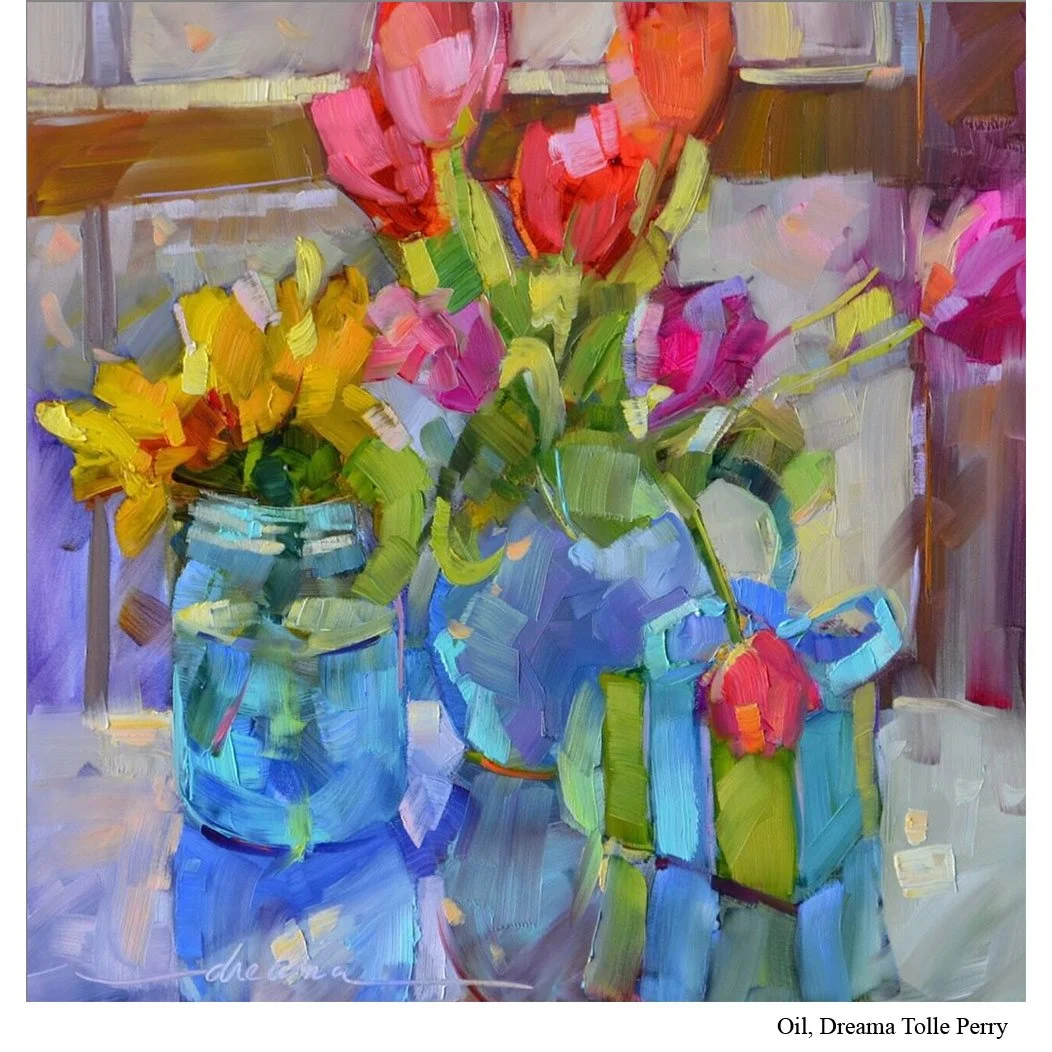
Separate Colors That Can Quickly Neutralize Each Other
Mud can begin before your brush ever touches your painting.
Complementary colors sit opposite each other on the color wheel: red and green, blue and orange, yellow and violet. Mix them together and they begin to neutralize each other.
That’s not necessarily a bad thing. In fact, complements are incredibly useful when you want to knock down the intensity of a color.
The problem is when it happens accidentally.
A little green that finds its way into a pile of red can quickly dull it. Then you pick up that red expecting a clean, saturated color and get something completely different.
So start by looking at the physical organization of your palette.
Where are your warms and cools? Which colors are most likely to cause problems if they accidentally mix? Are you leaving enough room between your piles to mix cleanly?
The goal isn’t to keep every color completely isolated. Mixing is obviously part of painting. The goal is to make sure the mixing happens because you chose it.
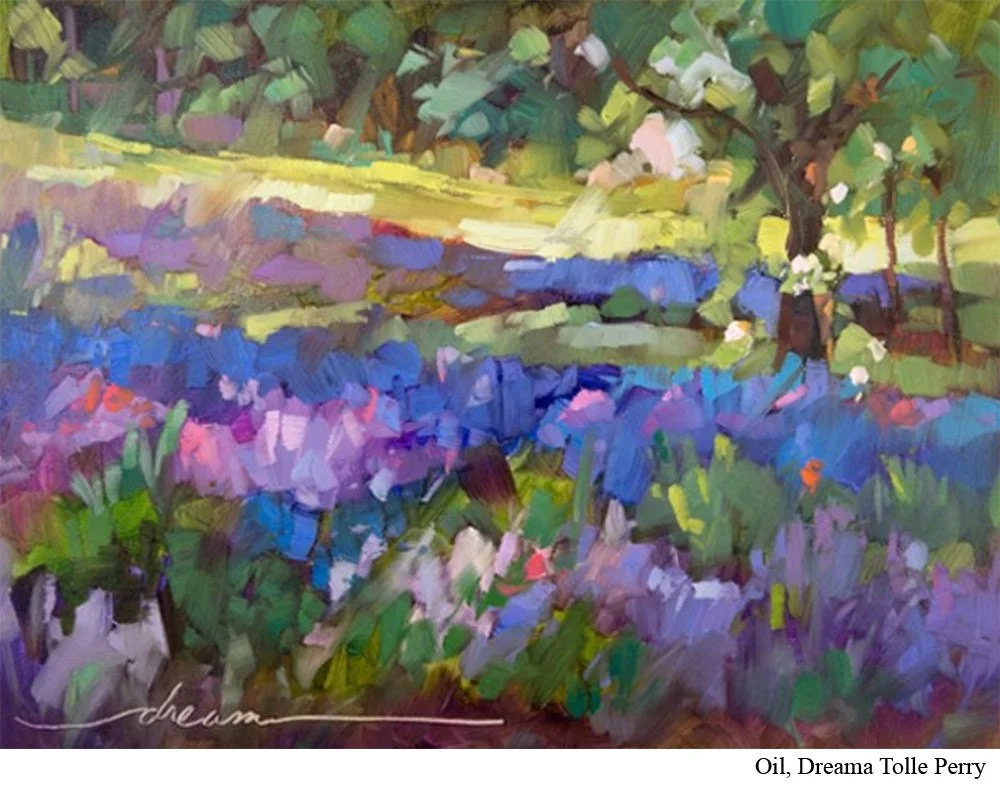
Pay Attention to What’s Already in Your Brush
Your palette isn’t the only place colors can accidentally mix.
Your brush carries paint from one part of the painting to another.
Imagine you’ve just painted a dark green passage and now you want to add a bright warm red. If there’s still green buried in the bristles, you’re not really putting down the red you mixed. You’re creating a new mixture on the way to the painting.
And you might be surprised at how even just a little stray paint can make a big difference.
One solution is simply to get in the habit of cleaning your brush thoroughly when moving between colors that you want to keep distinct.
But some painters build additional safeguards into their process.
You might use one brush for warm colors and another for cool colors. Or you might separate your brushes into lights and darks. You might discover that you need several brushes when working in passages where clean color is especially important.
There isn’t one correct system.
What matters is noticing when the paint already in your brush is changing the color you intended to put down.

Make a Stroke, Then Leave It Alone
You can have an organized palette and a perfectly clean brush and still create mud directly on the painting.
This is especially easy to do with oils because the paint stays workable for a long time.
You put down one stroke. Then another. Then you adjust the first one. Then you soften the edge. Then you add another color over it.
Every time your brush moves through wet paint, the colors have another opportunity to mix.
Sometimes that blending is exactly what you want. But sometimes the individual colors that made an area interesting begin merging into one generalized mixture.
This is where decisiveness becomes useful.
Before making a stroke, think about what you want that stroke to accomplish.
What color do you need? Where does it need to go? How large should the mark be?
Then mix the color, place the stroke and give it a chance to stay there.
You don't have to get every stroke right the first time. But the more you can make a decision before your brush reaches the surface, the less likely you are to spend the next five minutes pushing wet paint around while trying to figure out what you want.
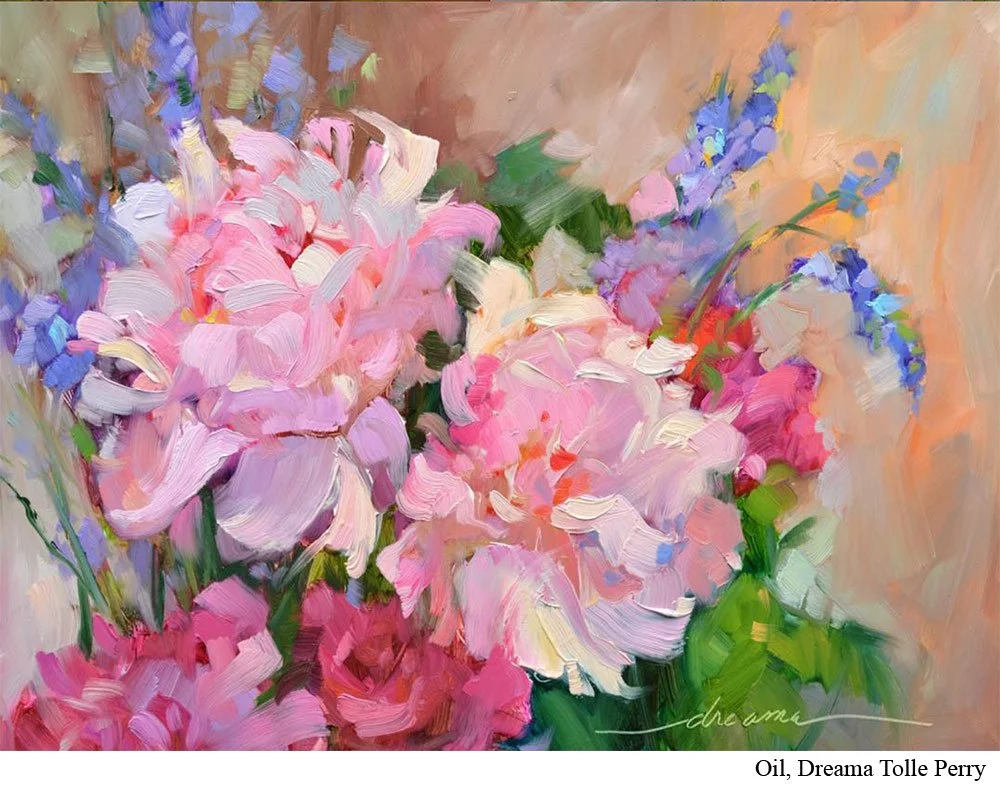
Diagnose the Problem Before You Fix It
Of course, sometimes you put down a stroke and immediately know something is wrong.
The temptation is to fix it just as quickly.
You add another stroke. Then another. Maybe you blend the edge. Maybe you add some lighter paint. Before long, you’re no longer correcting one problem. You’re reworking the entire area.
Instead, pause long enough to figure out what you actually dislike.
Is the color too warm?
Too cool?
Too light or dark?
Too saturated?
Is the color actually fine, but the shape is wrong?
Maybe most of the stroke works and only one small part needs to change.
Once you know what the problem is, you can make a much more targeted correction.
That matters with wet paint because every correction has consequences. The more you disturb the paint underneath, the more colors begin to mix together.
So before you make another stroke, know what you’re trying to change.
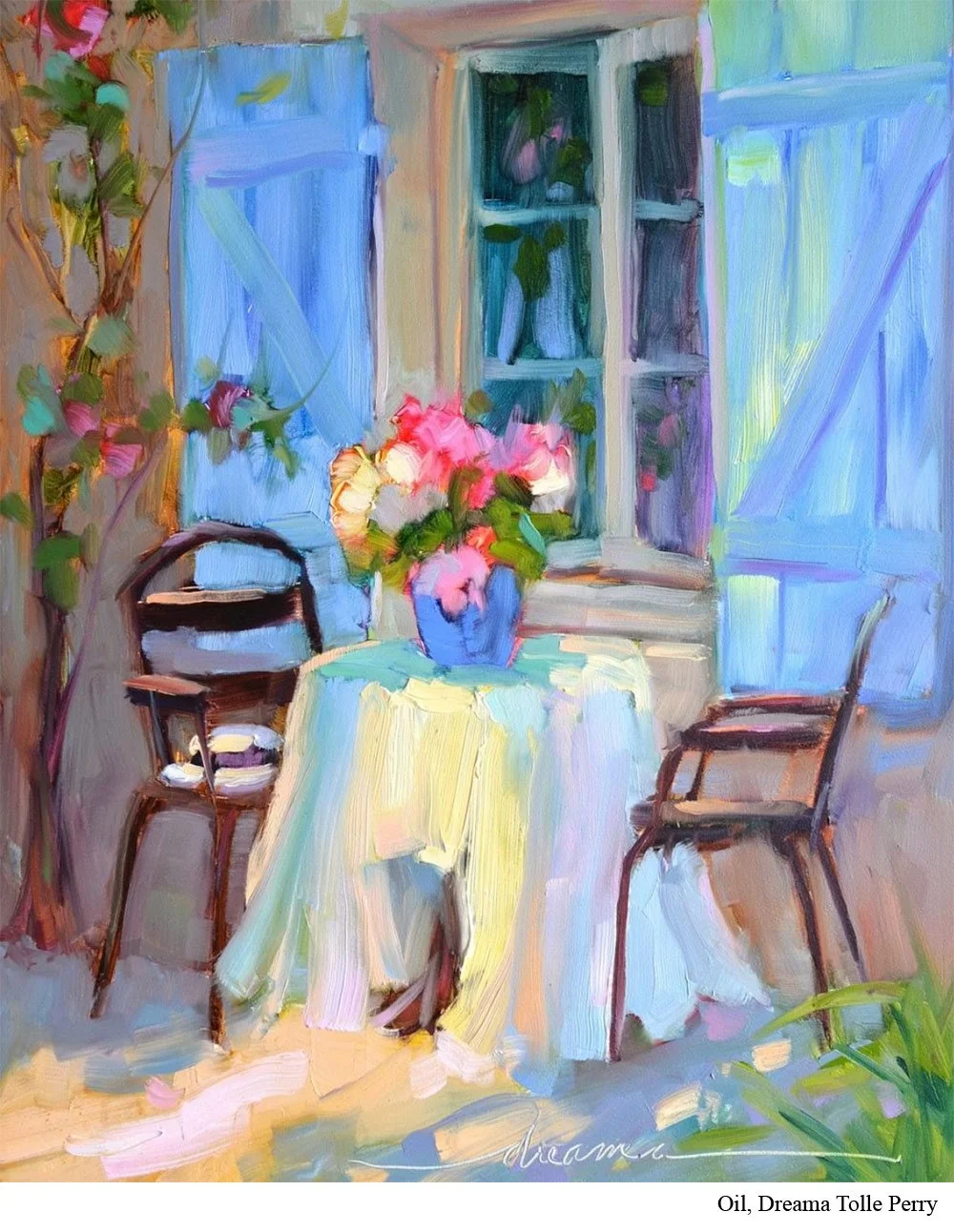
Mud Isn't Just a Color-Mixing Problem
It's tempting to think that avoiding mud means learning which pigments you shouldn't mix together.
But Perry's approach points to something broader.
Clean color is affected by how you organize your palette, how you use your brushes, how you apply the paint and how you respond when something isn't working.
And none of this means your paintings need to be filled with bright, saturated color. Beautiful paintings can be full of grays, neutrals and muted mixtures.
The difference is intention.
You want that soft gray because you mixed it deliberately, not because five colors accidentally found their way into the same pile.
So the next time your color starts getting muddy, don't just look at the mixture. Look backward through your process.
Where did the color begin to change?
Your palette? Your brush? Your stroke? Or the correction you made afterward?
Once you know where the mud is coming from, you can start building a system that prevents it.
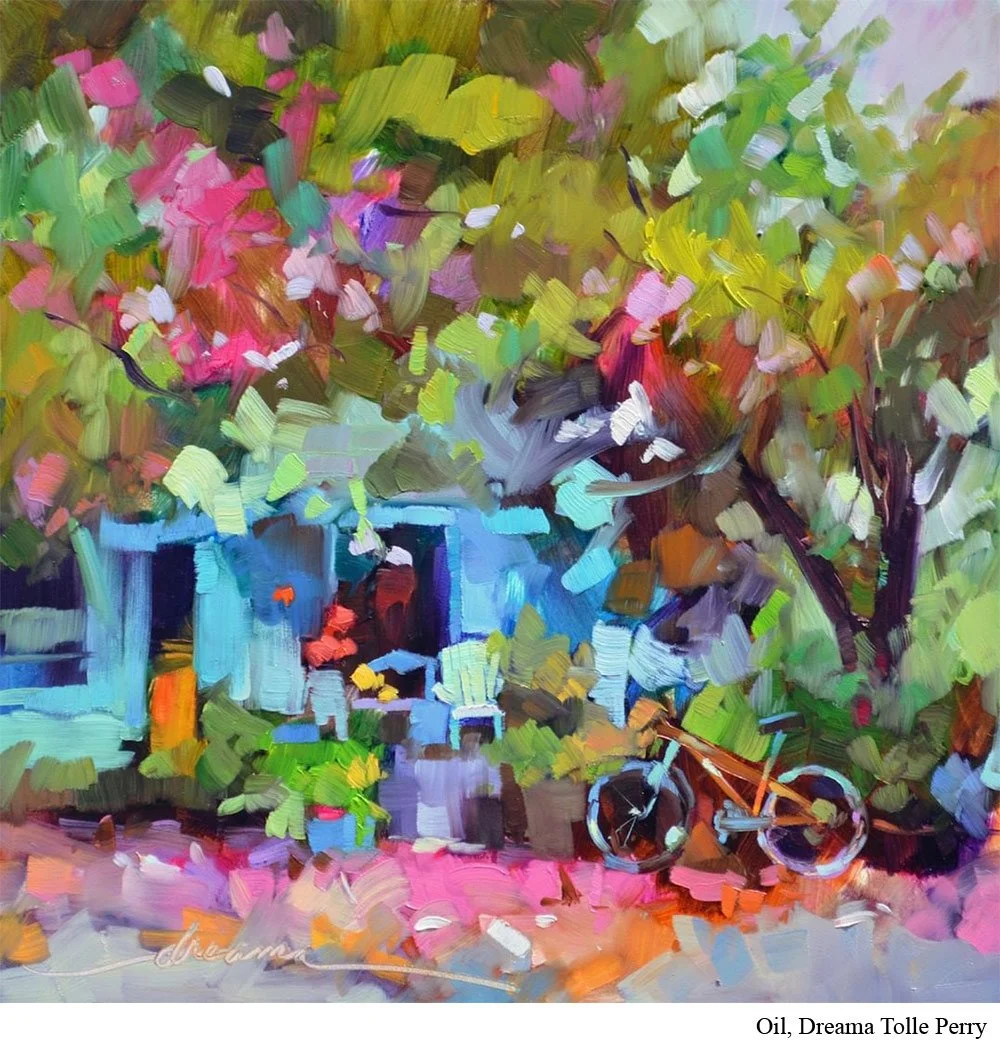
Put It to Practice
The next time you paint, pay attention to when your colors start to get muddy.
Start with your palette. Give your colors enough room that you aren't accidentally mixing them before you intend to.
As you paint, check your brush when moving between colors, especially complements, lights and darks. Ask yourself whether the paint already in your brush is changing the color you're about to put down.
Then pay attention to what happens once the paint reaches the surface. Before making a stroke, decide what you want it to do. Once it's down, resist the urge to immediately work back into it.
And when something doesn't look right, pause before fixing it. Ask yourself what's actually wrong. Is it the hue? Value? Saturation? Shape? Edge? You may find that you only need to change one small part.
At the end of your painting session, think back to any areas where your color became muddier than you intended. Where did it happen: on your palette, in your brush, or on the painting itself?
That's the part of your system to work on next.