You Don’t Need a New Idea Every Time You Paint
We tend to think of creativity as something unique each and every time.
You paint a bird, and then you move on to something else.
You paint a tree, and then you find another subject.
Maybe you paint a series of landscapes, but for each one, you choose a different reference photo. Once you've used a reference, you're done with it.
Then the next time you sit down to paint, you start the whole process again.
Artist Laura Horn (Ep.32) takes a different approach.
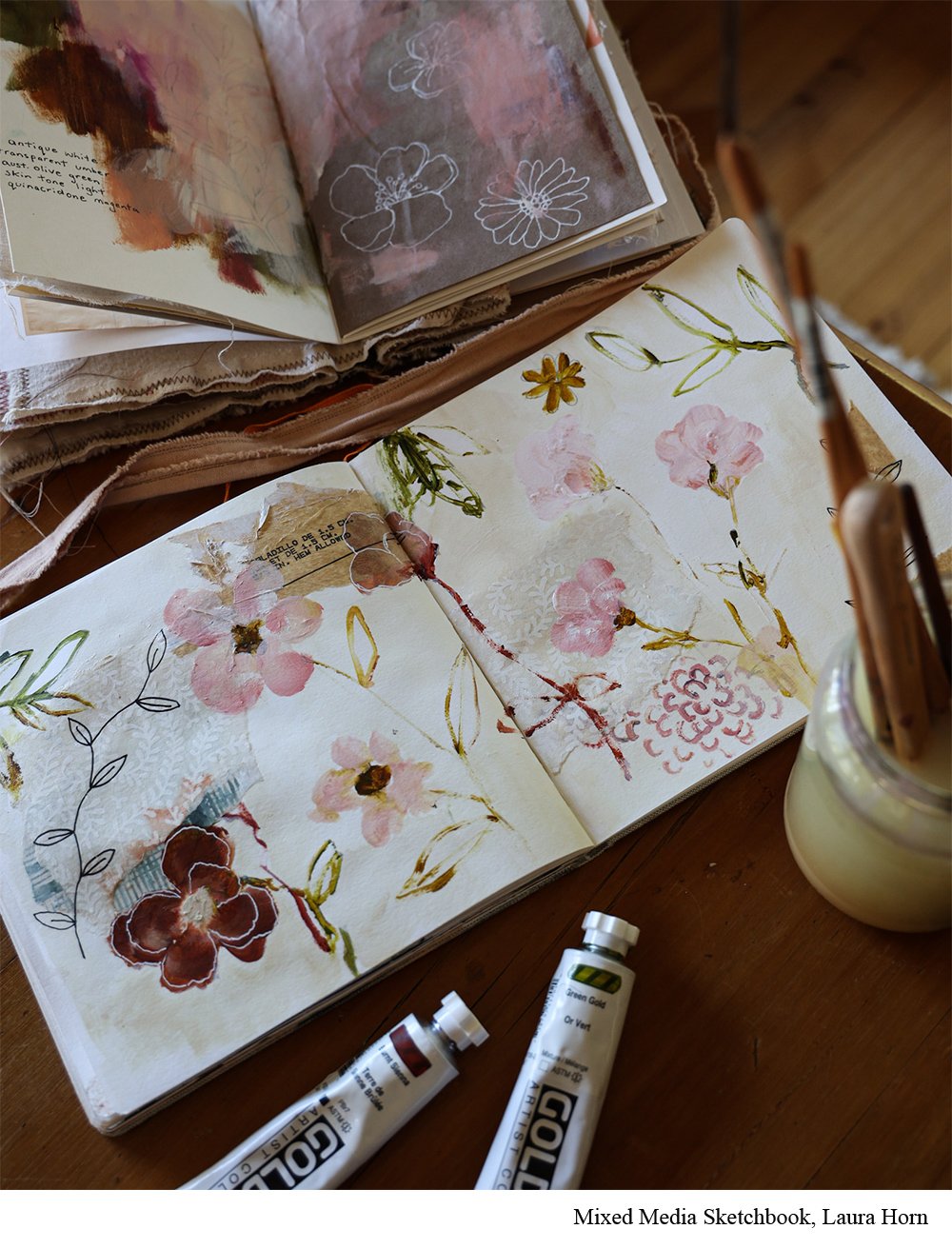
Horn often looks to work she's already made to figure out where she wants to go next. She might notice a shape, color combination, or idea that interests her and carry it forward into another piece.
Instead of asking every painting to begin with a completely new idea, one painting can help generate the next.
Horn uses this approach as part of developing her work. But there's something useful here for any artist who's trying to show up more consistently:
You don't have to start from zero every time you sit down to paint.
Starting From Zero Takes a Lot of Work
We don't always think about the bandwidth it takes to show up consistently.
There's the time you need to find.
There are the materials you need to get out and the space you need to work in.
And then there's the mental work.
What am I going to paint?
Which reference am I going to use?
What materials do I want?
What size should I work?
What am I interested in exploring?
If part of every painting session involves asking your brain to come up with something new and exciting, that's a lot of work you're asking yourself to do before you've even begun painting.
And it's especially noticeable when you don't have hours to work.
If you have 20 minutes, you probably don't want to spend the first 15 trying to decide what you're going to do.
One way to make showing up easier is to give yourself permission to continue something you've already started.
Let One Session Lead Into the Next
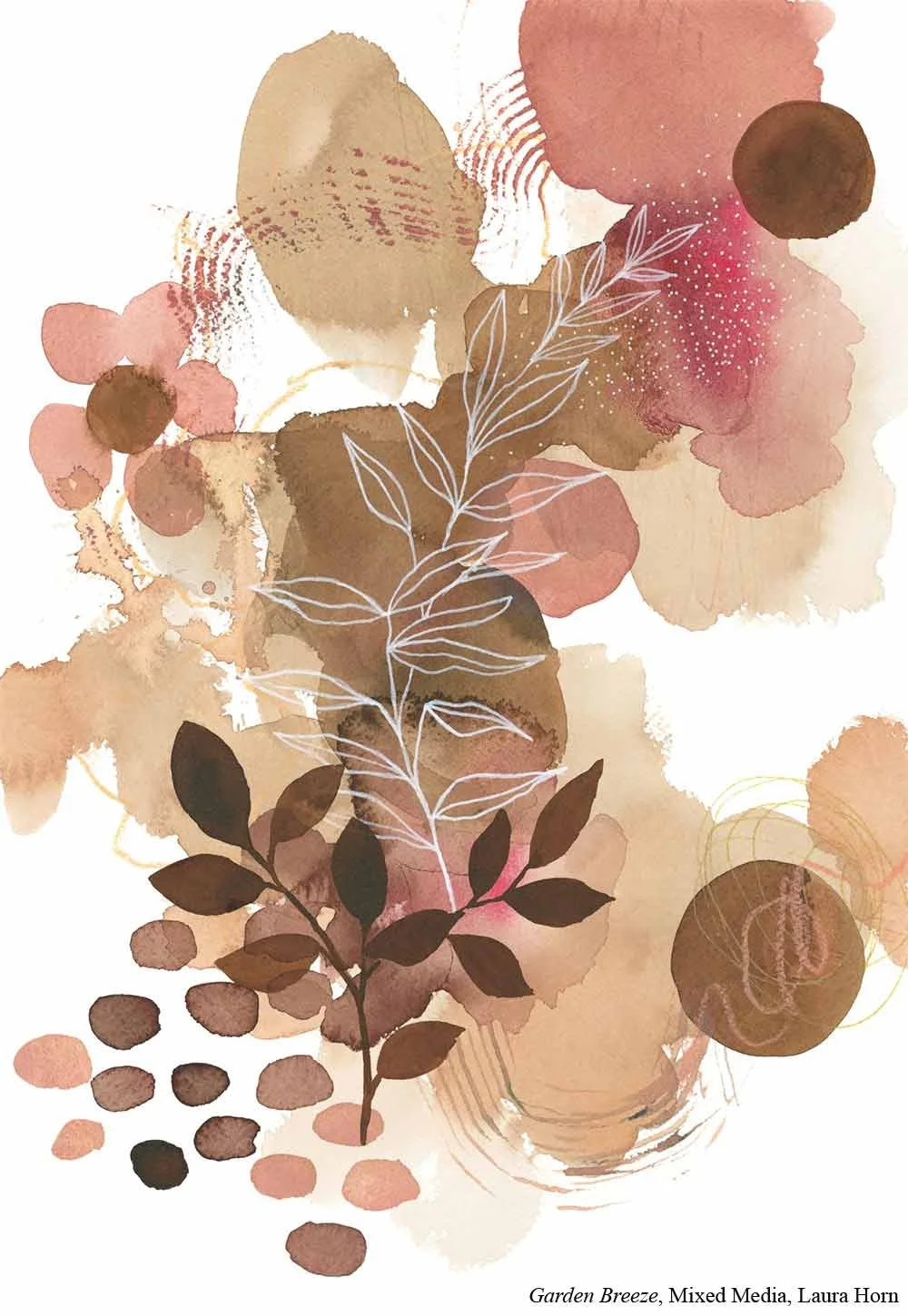
In Horn's practice, previous work can become a guide for future work.
An idea might begin small in a sketchbook. If she likes where it's heading, she can take it larger. Elements she's explored in one painting can show up again in another.
She's not necessarily recreating the same painting.
(Although sometimes she does do that.)
She's continuing to explore something that has her attention.
You can do the same thing in your own practice.
If you painted from a reference yesterday, you could use that reference again today and try a different approach.
If you found a color combination you liked, you could carry those colors into another painting.
If one little section of yesterday's painting caught your attention, you could make a study based on that.
Or you could simply keep working on the painting you already started.
Now, when you sit down tomorrow, some of your decisions have already been made.
You have somewhere to begin.
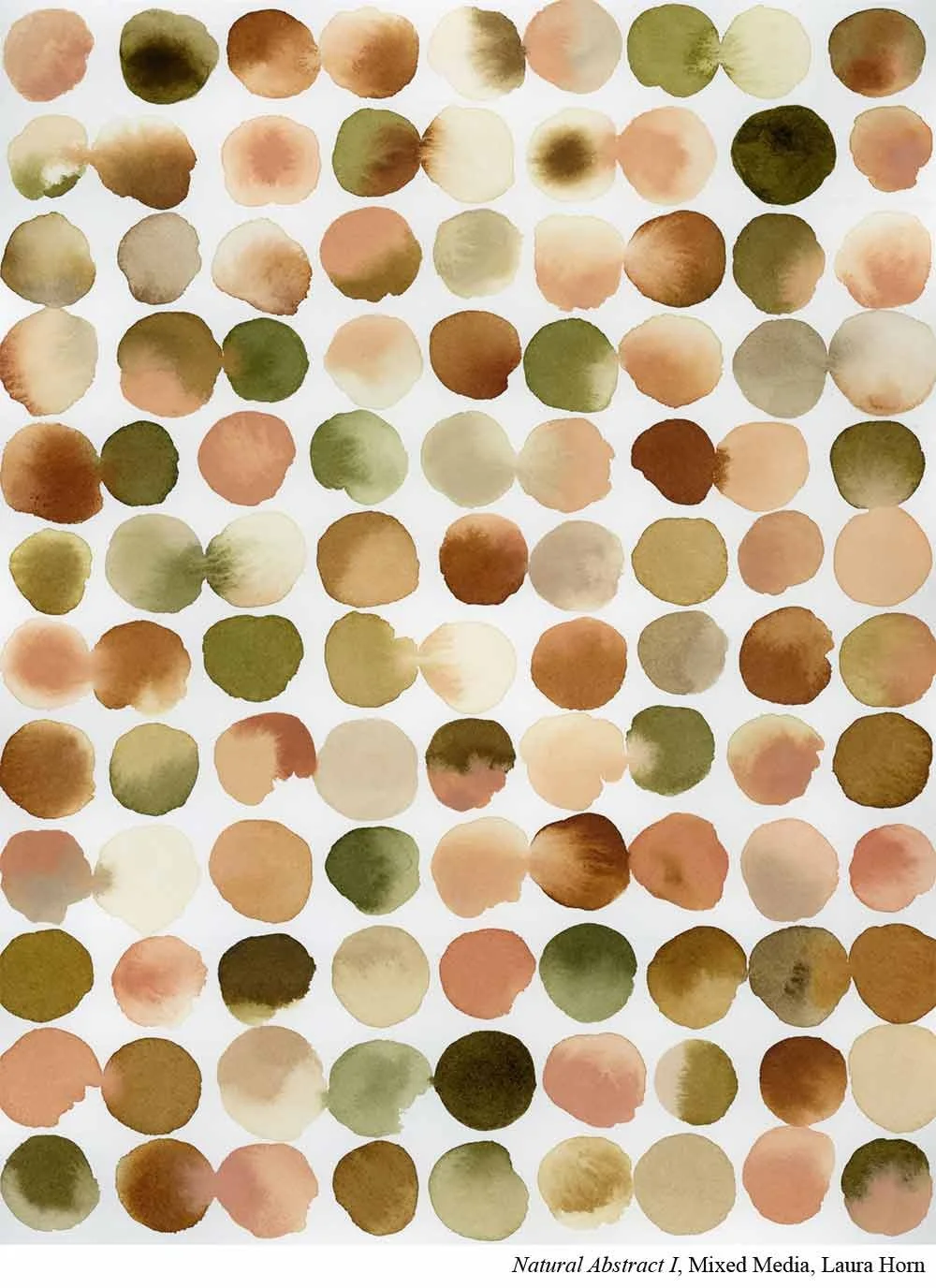
You Don't Need 20 New Ideas
This becomes especially useful when you're trying to work consistently for a period of time.
Let's say you decide you're going to paint for 20 days.
It's easy to assume that means you need 20 ideas.
Twenty reference photos AND twenty subjects AND twenty paintings.
(I'm exhausted just thinking about it.)
But you don't.
I've seen artists in the 20for20 use the same reference again and again because they wanted to explore something specific, like color. Others work on one painting over multiple days. Some choose a narrow project that gives them enough structure that they know what they'll be doing when they sit down each day.
When you aren't changing everything at once, you also have the opportunity to go deeper.
The first time you work with a reference, you may spend a lot of your attention figuring out the subject. You're looking at the shapes, deciding on the composition, working out the values, and figuring out how you're going to translate what you're seeing into paint.
The second time, you already know quite a bit about that reference.
So maybe this time you can pay more attention to your color.
Or your brushwork.
Or how much you can simplify.
Or what happens when you change the composition.
You've already done some of the logistical and technical work. You don't have to make every one of those decisions again.
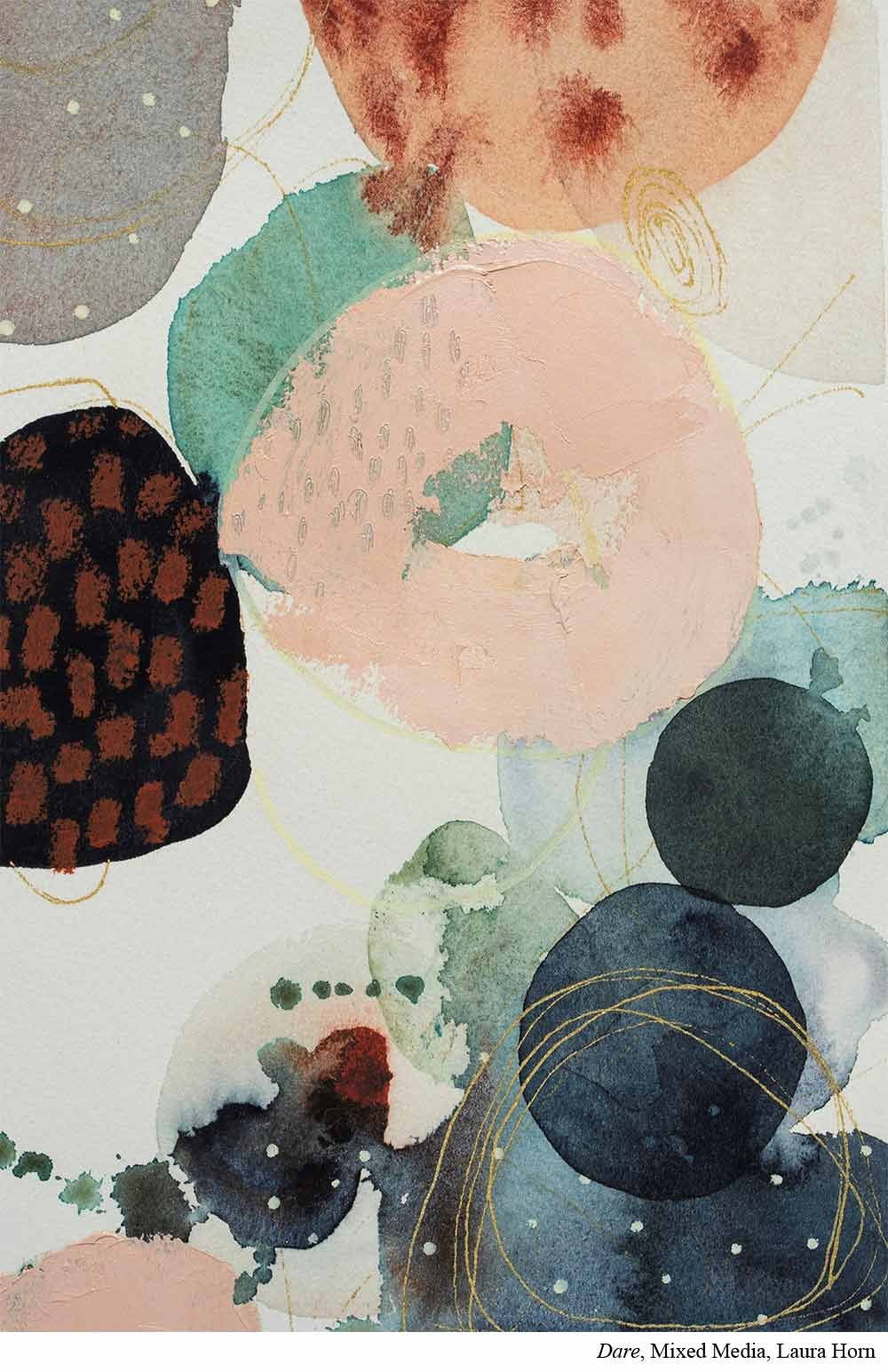
Repetition Doesn't Have to Mean Recreating
If the idea of revisiting something sounds boring, notice what you're imagining.
Are you imagining painting the exact same painting again and again brush stroke per brush strokes?
Because you certainly can do that. If you want to get better at a particular skill, repeating the same subject can give you a useful way to practice it.
But that's only one option.
You can think more like Horn and let one piece give you an idea for the next.
Keep one part and change another.
Maybe you keep the reference but change the colors you're using.
Maybe you keep the palette but change the key.
Maybe you take a small sketch and make it larger.
Maybe you continue exploring a shape that keeps appearing in your work.
Maybe you look at yesterday's painting and notice a question you want to answer today.
There are so many great options.
And the goal isn't necessarily to recreate what you've already done. It's to recognize that the work you've already made can give you somewhere to go next.

Put It to Practice
At the end of your next painting session, take a few minutes to look at what you made.
What still interests you?
Maybe there's a color combination you'd like to try again. Maybe you like the composition but wonder what would happen if you cropped it differently. Maybe you want another chance with the same reference because you'd like to simplify it more.
Listen for the what if questions.
What if I changed the color?
What if I pushed the saturation?
What if I made it larger?
What if I simplified the shapes?
What if I used this idea with a different subject?
Choose one of those questions as the starting point for your next session.
Then write it down.
You may have the instinct of "Oh I'll remember," but write it down.
The goal here is to make it as easy as possible to step back in the next time you start.
By thinking about it today and writing it down, when you come back tomorrow, you won't have to begin by asking yourself what you should make.
You'll already have somewhere to start.
And when you're trying to build a consistent art practice, that's worth experimenting with.
It's also one of the ideas behind the 20for20. You don't need 20 completely new ideas to work on your art for 20 days. You can choose a project that gives you enough structure to come back each day and enough room to see where the work takes you.
Sometimes today's painting can do some of the planning for tomorrow's.