Why Waiting Until You “Have Time” Doesn't Work
Life is busy. Your time and bandwidth are in short supply.
And when you’re putting away the last dish at 8 p.m. after a day filled with work, appointments, social commitments, and chores, you might think, When things settle down, I’ll finally commit to painting.
But what if having more time doesn’t solve the problem?
When 20for20 participant Debi Vought looked at her life, she felt confused. She had so many of the pieces for a consistent art practice and still didn’t actually have one.
Vought was in exactly the place so many of us dream of reaching before we really commit to our art.
She was retired. She had more control over her schedule. She had open time.
And yet she’d show up for several days, start to get into a rhythm, and then something would come up. She’d stop for days, weeks, or even months.
She felt frustrated that here she was in this amazing time in her life, and yet she still wasn’t making the progress she wanted.
The pattern happened again and again. She wasn’t getting better. And worse, she felt stagnant.
Art Requires Less Time Than You Think
Art does take time. It does. And it feels good to be able to give it time.
There’s an amazing feeling when everyone is where they need to be, the laundry is finished, and you have a whole uninterrupted Saturday afternoon ahead of you.
But that experience can also lead you into a trap. You can start to think that a worthwhile art session requires a substantial block of uninterrupted time.
That was part of the problem for Vought.
On the days she made art, she was often showing up for several hours.
On the days she didn’t have that amount of time available, it didn’t feel worth trying in the first place.
This is a trap self-directed artists can easily find themselves in. If up until this point you’ve created primarily when you had hours available, you can start to think that’s the only situation in which you can make art.
If your definition of a worthwhile art session is an hour or two, you don't merely need “time.”
You need a fairly substantial block of uninterrupted time.
So a 25-minute sketching session doesn't count.
Forty minutes before dinner doesn't count.
Ten minutes before you leave for an appointment doesn't count.
All this time you could use to build skills gets tossed because it doesn’t feel like enough.
So you keep waiting.
Change What Counts
Vought started to understand this trap. She knew she needed to update her thinking about what counted.
For that reason, she chose a 20-minute minimum for the 20for20.
Her baseline was 20 minutes. Each day she would walk in and work for at least that long.
If she had more time, she could keep going. But if she didn’t, she could stop. The session still counted.
She didn’t need two hours before she could get started. She just needed 20 minutes.
That meant each day had room to look different.
Some days she stopped around 20 minutes because she had other commitments. Most days she became engaged and continued for 45 minutes or an hour. A couple of times she worked for two hours.
Twenty minutes gave her a way in.
And that’s something you get to practice during the 20for20.
You aren't promising that every day you'll have an hour. You aren't promising that you'll finish something every day. You're practicing beginning with the amount of time you've actually committed to.
Sometimes 20 minutes might stay 20 minutes. Sometimes it might become 45. Sometimes you might look up and realize you’ve been working for two hours.
But you don't need those two hours before you're willing to begin.
Redesign for Smaller Pockets of Time
Changing what counts is only part of the solution. There’s a logistical piece too.
A 20-minute project isn’t a three-hour project you rush through at triple speed.
Vought shifted her project so it worked within the time she had.
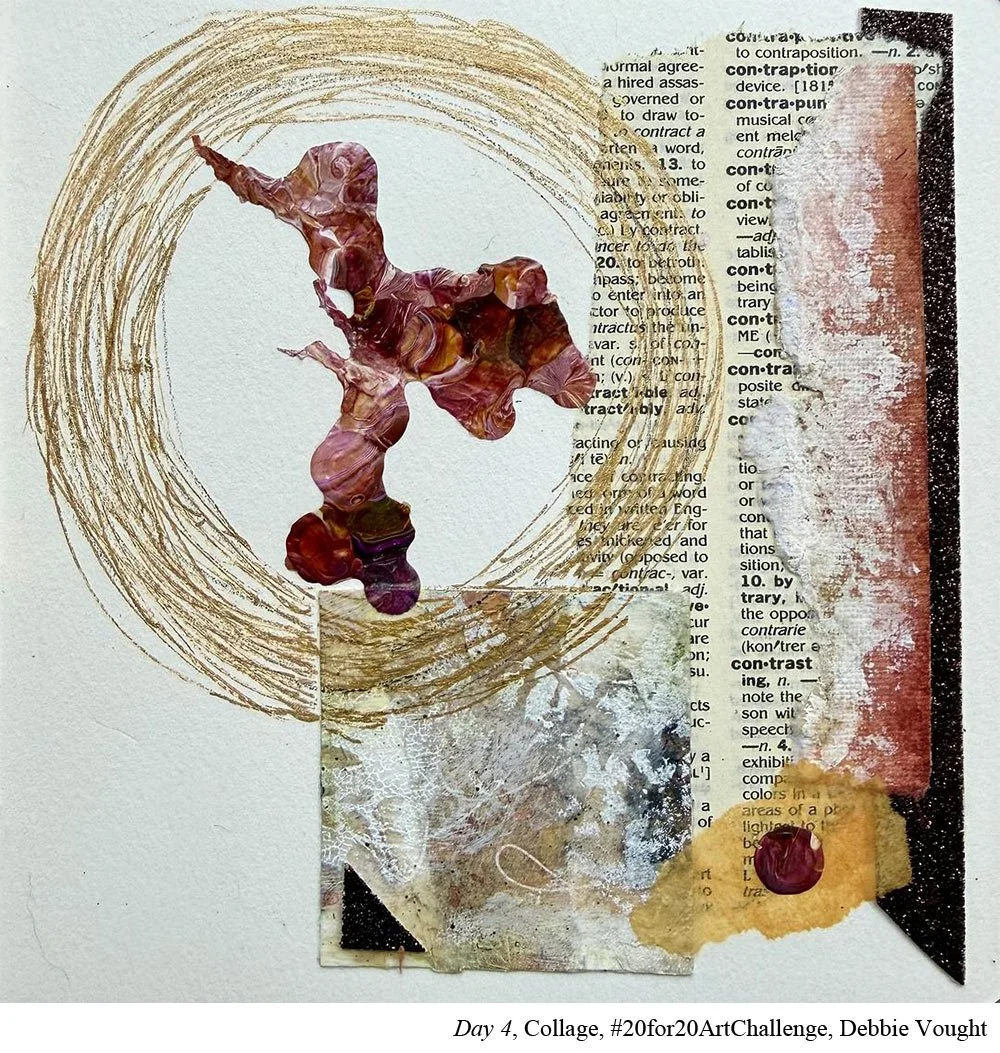
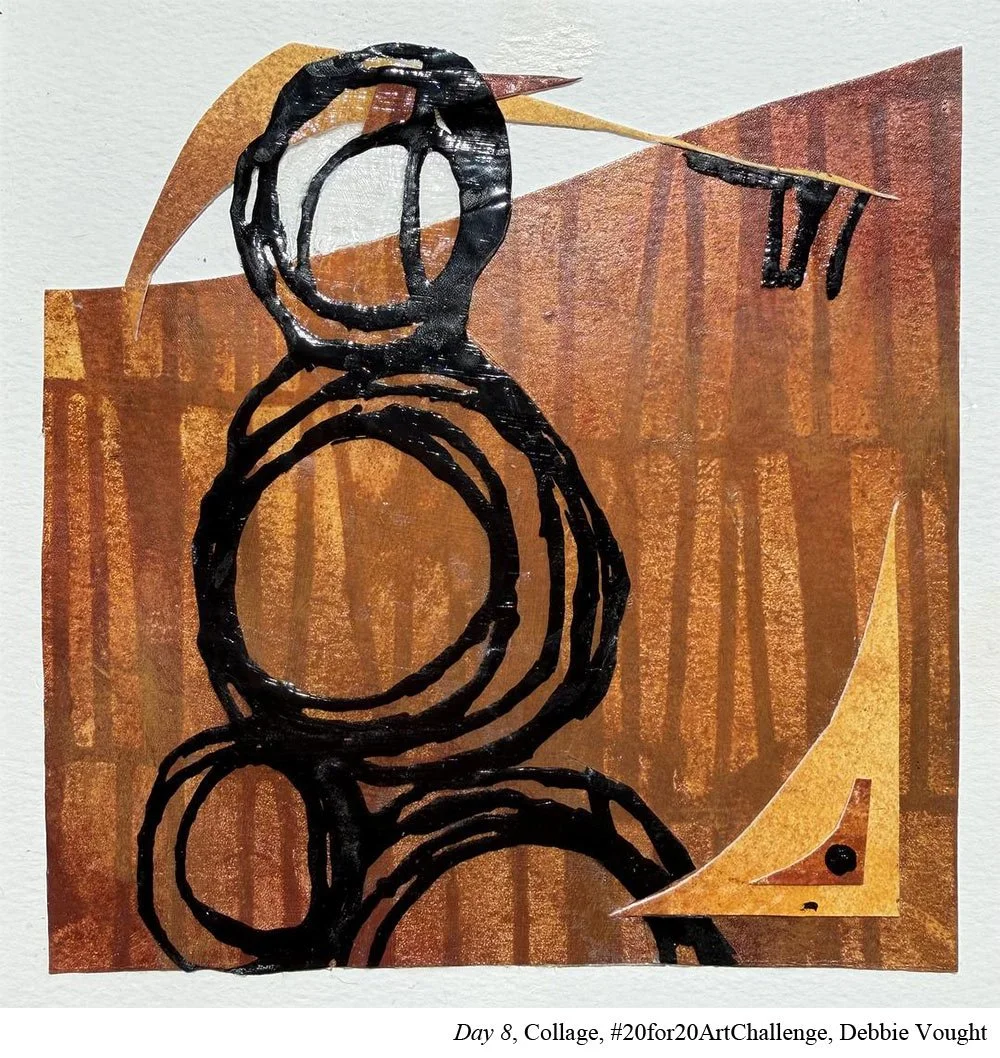
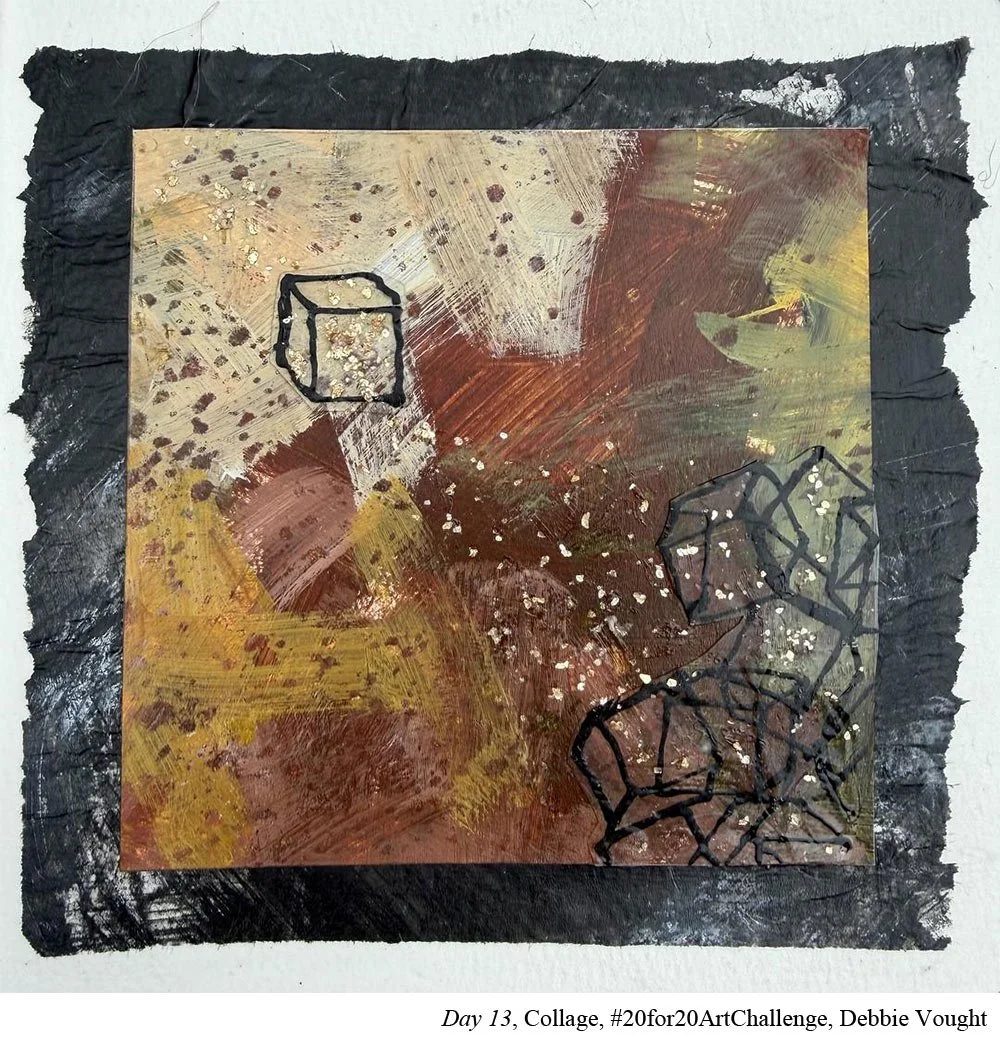
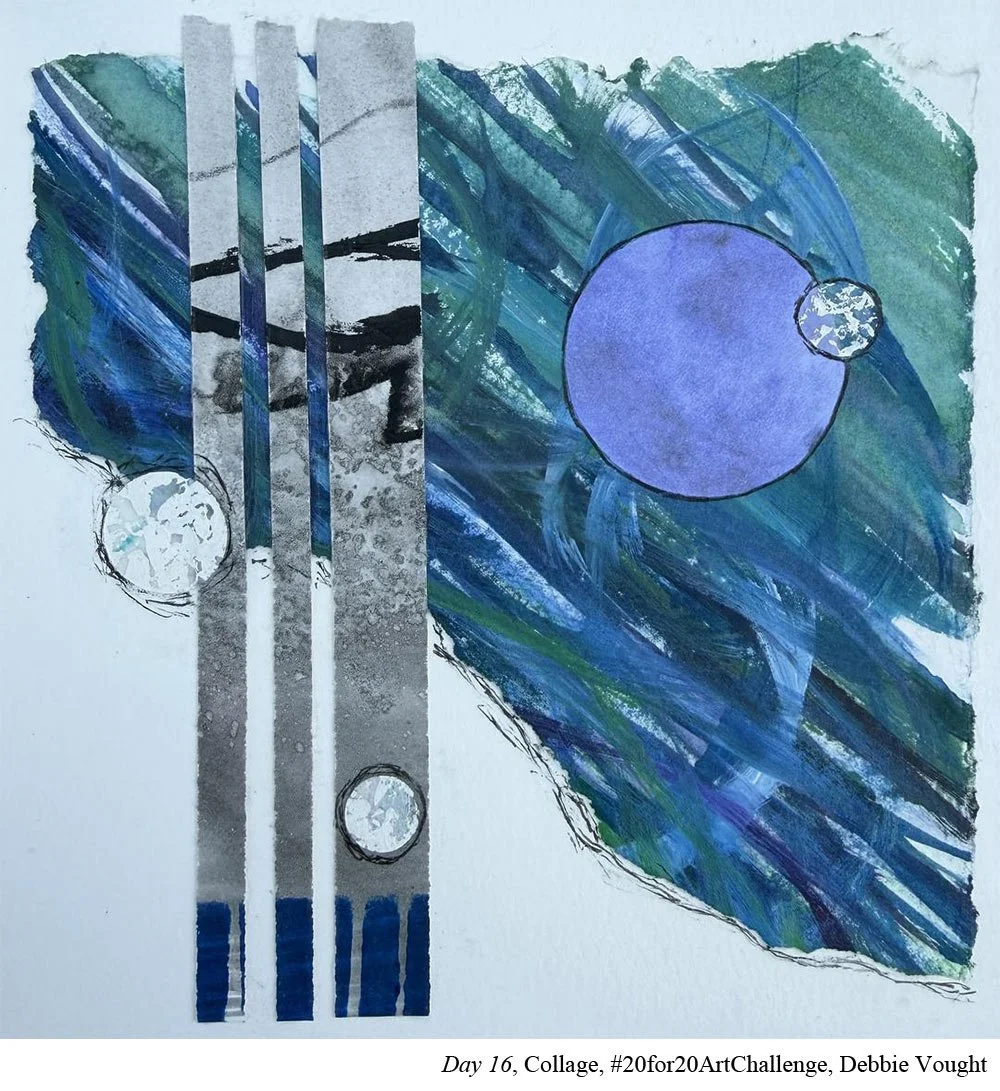
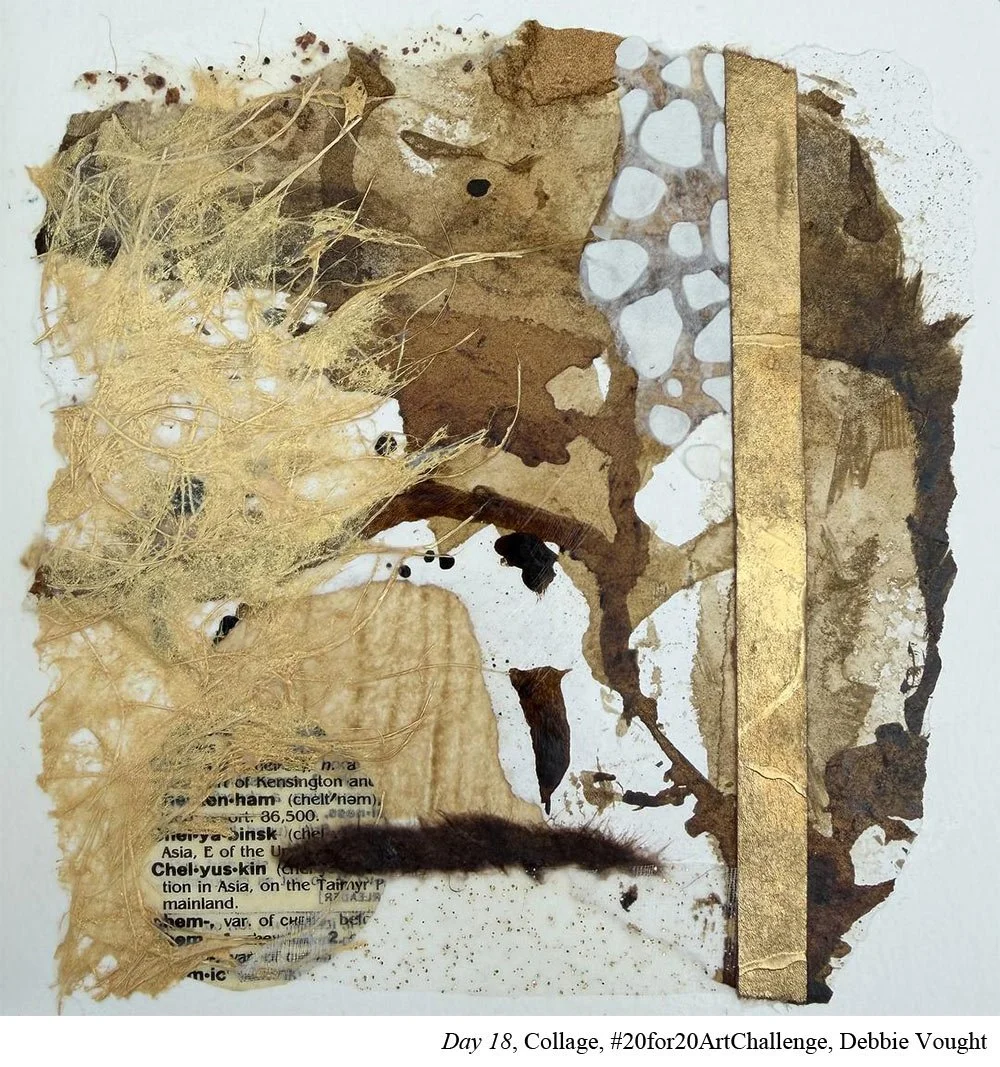
She chose a small 5½-by-5½-inch sketchbook and worked in collage. She used materials she already owned, which saved money and a trip to the art store.
She also gave herself permission not to finish a collage each and every day. It was okay to simply begin something and continue working on it later.
Those decisions made the project itself more doable. They also made setup and cleanup easier.
If you want to work in smaller pockets of time, you may need to make similar changes.
Instead of asking how you can cram your current three-hour painting process into 20 minutes, consider what kind of project would actually feel good to work on for 20 minutes.
That’s also part of preparing for the 20for20. You can make decisions about your project, materials, space, and schedule so that showing up for those 20 minutes is actually doable in your current life.
Look for the Time You Currently Dismiss
Once you learn how to work with smaller pockets of time, suddenly your day has a lot more possibility for art.
Instead of looking at your week and wondering where you can possibly fit in two hours to paint, get curious about the amounts of time you’re currently discounting as too short to count.
Maybe it's the half hour before dinner.
Maybe it's 20 minutes after breakfast.
Maybe it's the 40 minutes before you leave for an appointment.
Vought actually used outside commitments to her advantage. She often began when she knew something else was happening in an hour or two. That gave her room to work while also creating a natural stopping point.
And learning to work with smaller pockets of time doesn’t mean you don't take advantage of larger pockets when you have them.
When you have a whole Saturday afternoon open up, go paint your heart out. Enjoy it fully.
Just don't require every art session to look like that one.
Put It to Practice
You may not need to find more time for art before you can build a practice. You may need to change how much time you're willing to count.
Start by looking for the time you currently dismiss.
Maybe you have 20 minutes after breakfast. Maybe there’s half an hour before dinner. Maybe you regularly have 40 minutes between getting home and leaving for your next commitment.
Write those pockets down.
Then think about what would have to change about your art practice to make one of those periods genuinely usable.
Would you need a smaller project? Fewer materials? A space where you could leave your supplies ready? Permission to stop before the piece is finished?
Then bring that experiment into the 20for20.
For 20 days, you'll commit to working on your art for 20 minutes a day. You'll choose a project that fits your current life, make decisions ahead of time about when and how you'll work, and then find out what happens when you actually put that plan into practice.
You might discover, like Vought, that some days 20 minutes is all you have. Other days, you may look up and realize you've been working for an hour.
Either way, the session counted.
You didn't have to wait until life settled down. You worked with the life you already have.
The next 20for20 begins October 1. Prep Week begins September 21. This is the final 20for20 at the current price and in its current format. Doors close October 3.