There's More Than One Way to Finish a Painting
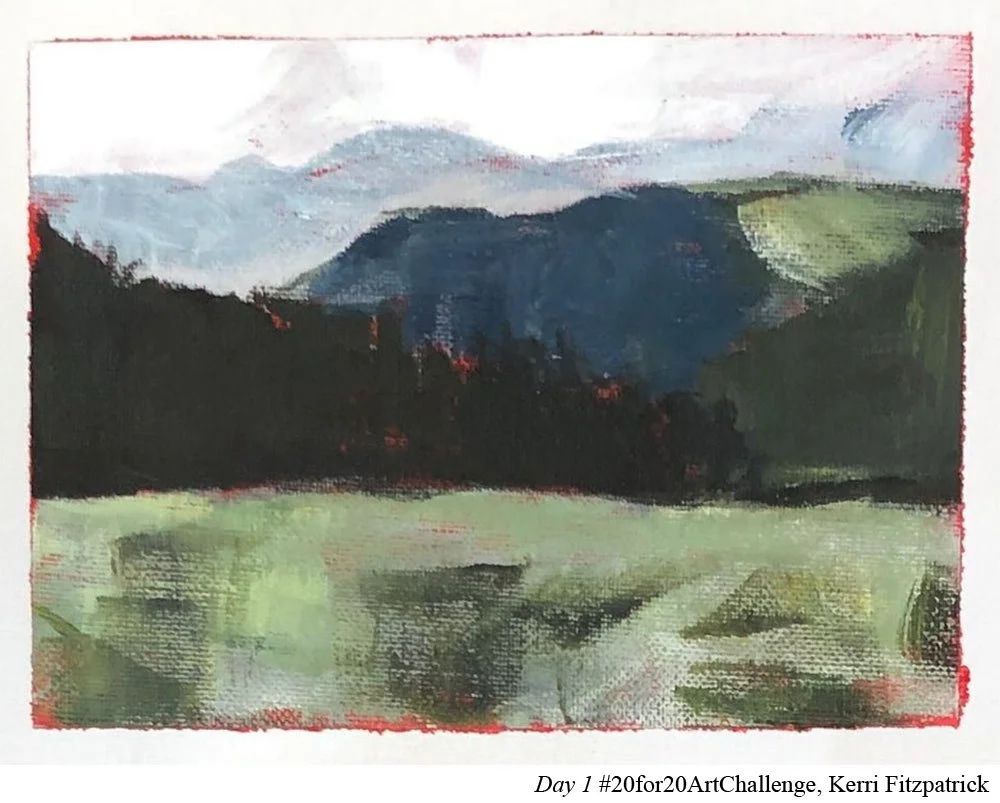
When Kerri Fitzpatrick walks in to paint, she sets a timer for 20 minutes.
When the timer goes off, she's finished.
Done.
No more changes.
This solves a problem that many of us face in our art practices.
I don't know about you, but I have dozens, maybe hundreds, of unfinished paintings in my studio. I start strong. I push through the middle. Then I reach a point where I simply don't know how to finish.
And it's true. How you start a painting isn't how you finish a painting. The decisions change. The goals change. The skills change.
For a long time, I thought there was only one way to finish a painting. I judged everything like I was a professional artist preparing work for a gallery show. Every painting needed to be polished, complete, and ready to hang on a wall.
But the more I've talked with artists and the more I've watched my own practice, the more I've realized there are different ways to finish a painting.
And some of them are much better for learning than others.
Let's look at three different ways you can call a painting finished. More importantly, let's talk about why you might choose one over another.
Why Finishing Matters
Finishing matters for more than practical reasons.
There are things you can only learn in the last stages of a painting. You don't learn how to resolve edges, simplify information, or make final decisions unless you actually get there.
There's also a psychological side to finishing.
Calling something finished means saying:
"This is mine. This is where I'm stopping."
For many artists, that's really uncomfortable.
If a painting stays unfinished, we can always tell ourselves we'll fix it later. We can avoid deciding whether it's done.
But finishing creates closure. It lets you step back, learn from what happened, and move on to the next painting.
And moving on is where a lot of learning happens.
Project Finished
This is what most of us mean when we say a painting is finished.
I call it Project Finished.
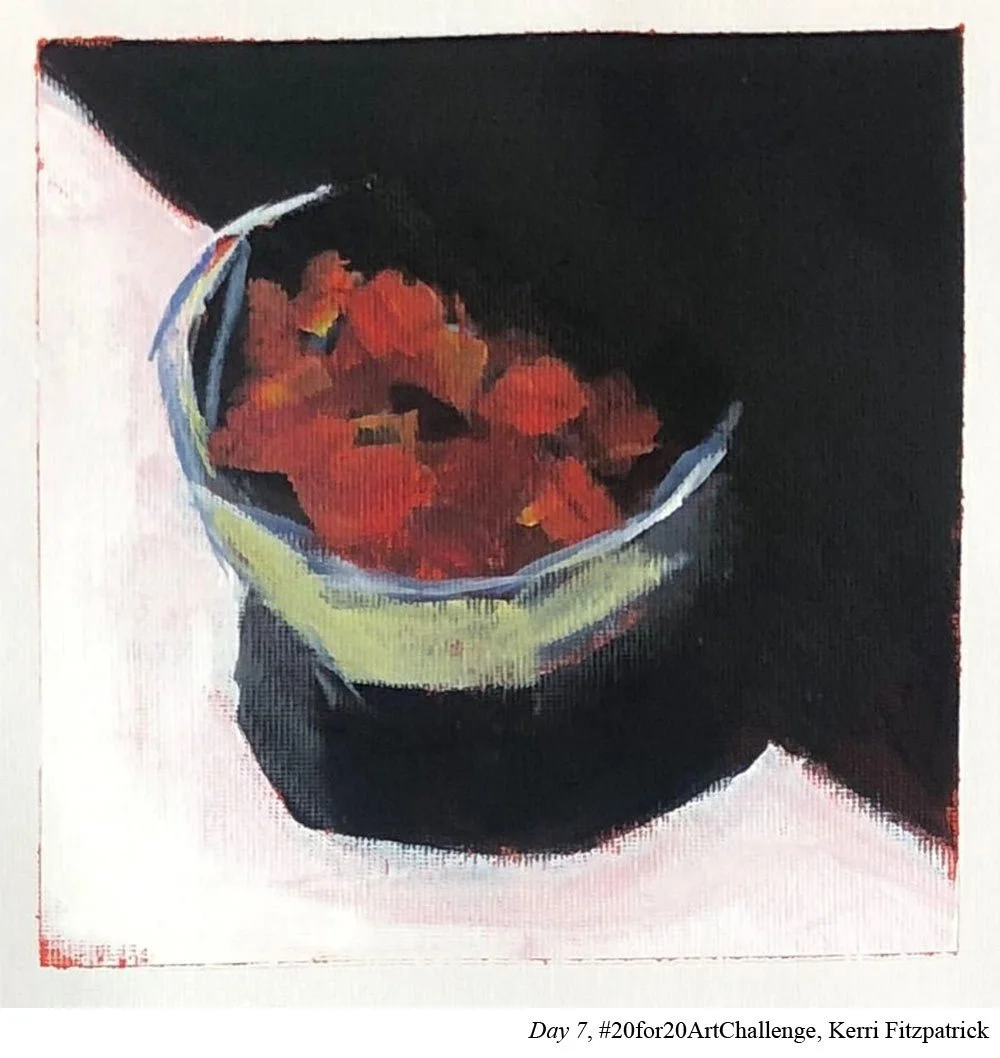
This is the painting that's ready to frame, ready to hang, ready to share. It's signed. It's complete. It's the painting you hoped it would become.
Different artists define this differently. Some say a painting is finished when they love it. Others say it's finished when nothing bothers them anymore. Over time, artists learn what done feels like for them.
The challenge is that Project Finished requires a lot of skills.
You need experience with your materials. You need techniques. You need process. You need enough experience to recognize when something is working and when it isn't.
That's why Project Finished can feel frustrating for newer artists.
The ability to create a fully resolved painting isn't one skill. It's the result of many skills working together.
Project Finished is a wonderful goal.
It's just not the only finish line available to you.
Buzzer Finished
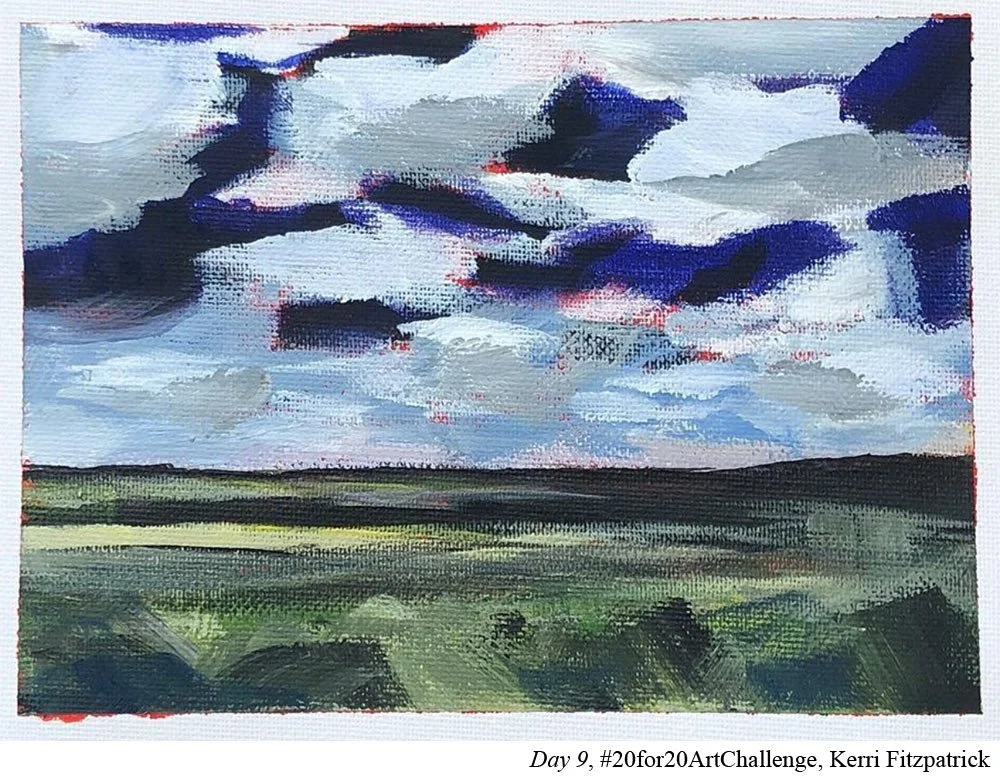
This is Fitzpatrick's approach.
You set a timer. When the timer goes off, you're finished.
I call this Buzzer Finished.
One of the reasons I love this approach is that it starts with the reality of your life.
Life is busy. Work is busy. Families are busy. The laundry alone can take half a day.
Many artists don't have three uninterrupted hours to paint.
But they might have twenty minutes.
Or ten.
Or five.
Buzzer Finished lets you design a project around the time you actually have. (This is why we start with 20 minutes inside the 20for20 Art Challenge.)
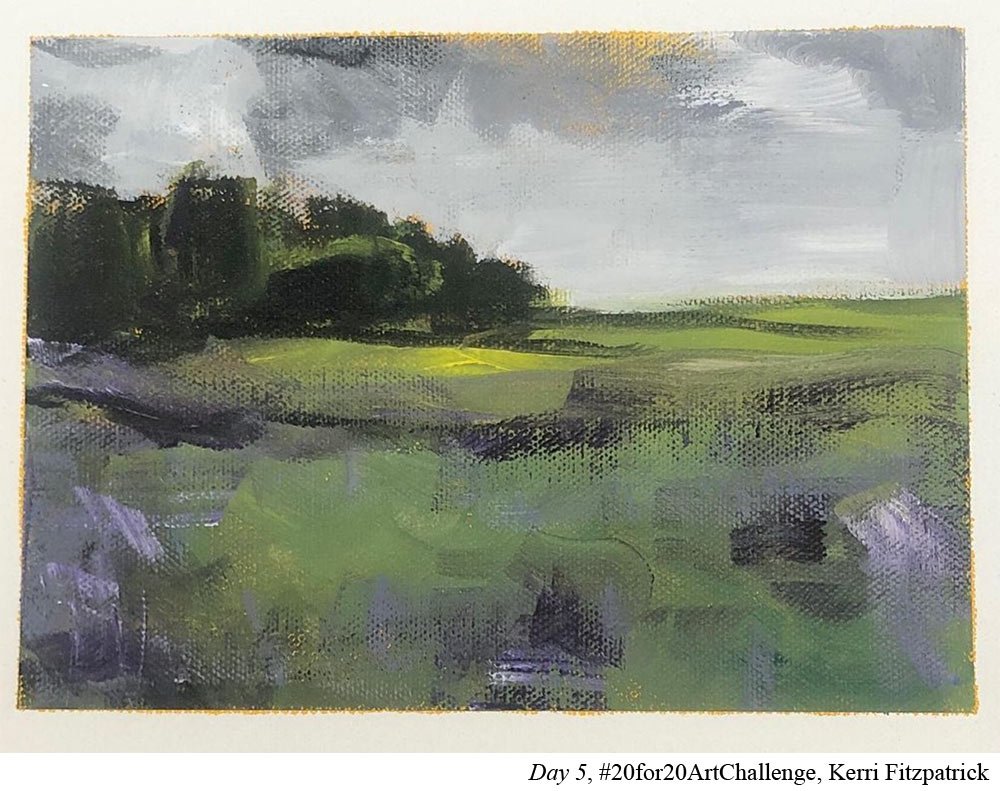
Fitzpatrick realized she could consistently give twenty minutes a day to painting. So she built a practice around twenty-minute paintings.
A twenty-minute painting isn't a three-hour painting done faster.
It's its own thing.
It's loose. It's energetic. It's direct.
And if you judge it as a Project Finish, it will probably fail that test. But that's because it isn't trying to be Project Finished.
It's trying to be Buzzer Finished.
This approach is especially helpful if you tend to overwork paintings. The timer creates an external finish line and gives you permission to move forward.
Goals Finished
This is the newest category in my own practice.
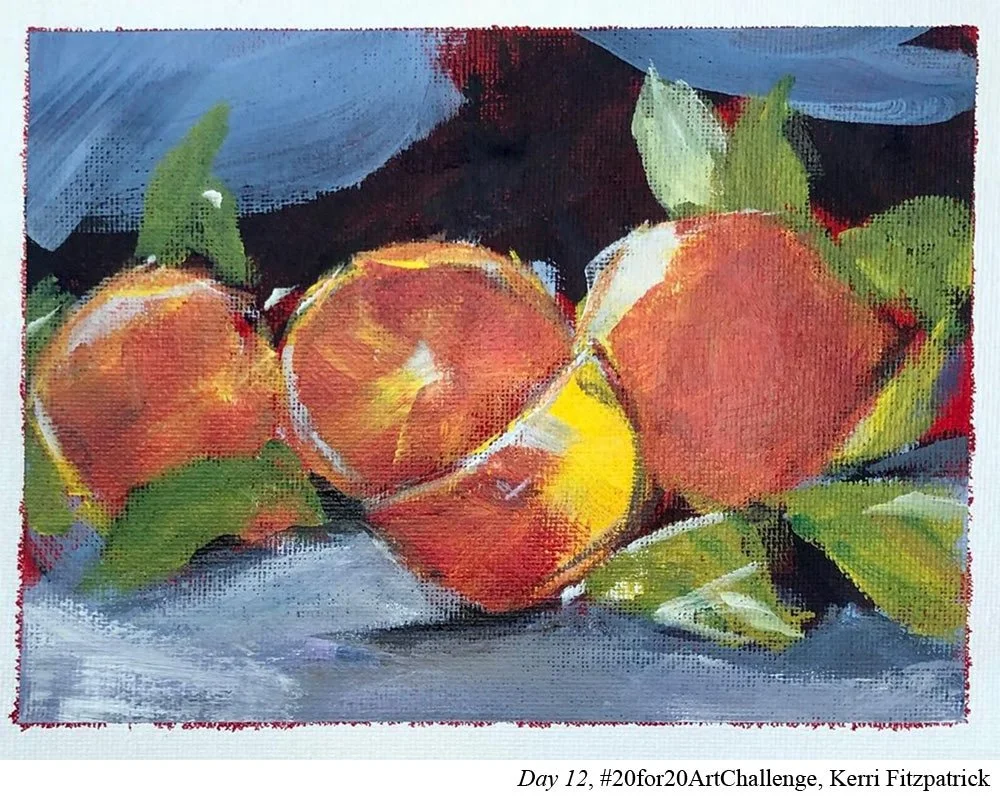
I call it Goals Finished.
With Goals Finished, the painting is complete when you've accomplished a specific set of objectives.
Not when it's amazing.
Not when you love it.
When you've completed the goals you set out to practice.
I discovered this while preparing for my 20for20 abstract project.
I'm still new to abstraction. I don't yet know enough about abstraction or my own preferences within abstraction to reliably create a Project Finish.
So instead, I created a list of goals.
The painting would be finished when:
It had a clear focal point.
It used intentional dominant and contrast relationships.
It followed my chosen color relationship.
Those are things I can evaluate.
Those are skills I already have.
The goal isn't to create a masterpiece.
The goal is to practice intentionally.
In many ways, this is how studies work. You set out to explore something. You explore it. You're finished.
Whether the result is beautiful isn't really the point.
The point is that you met your intentional goals.
Which Finish Should You Choose?
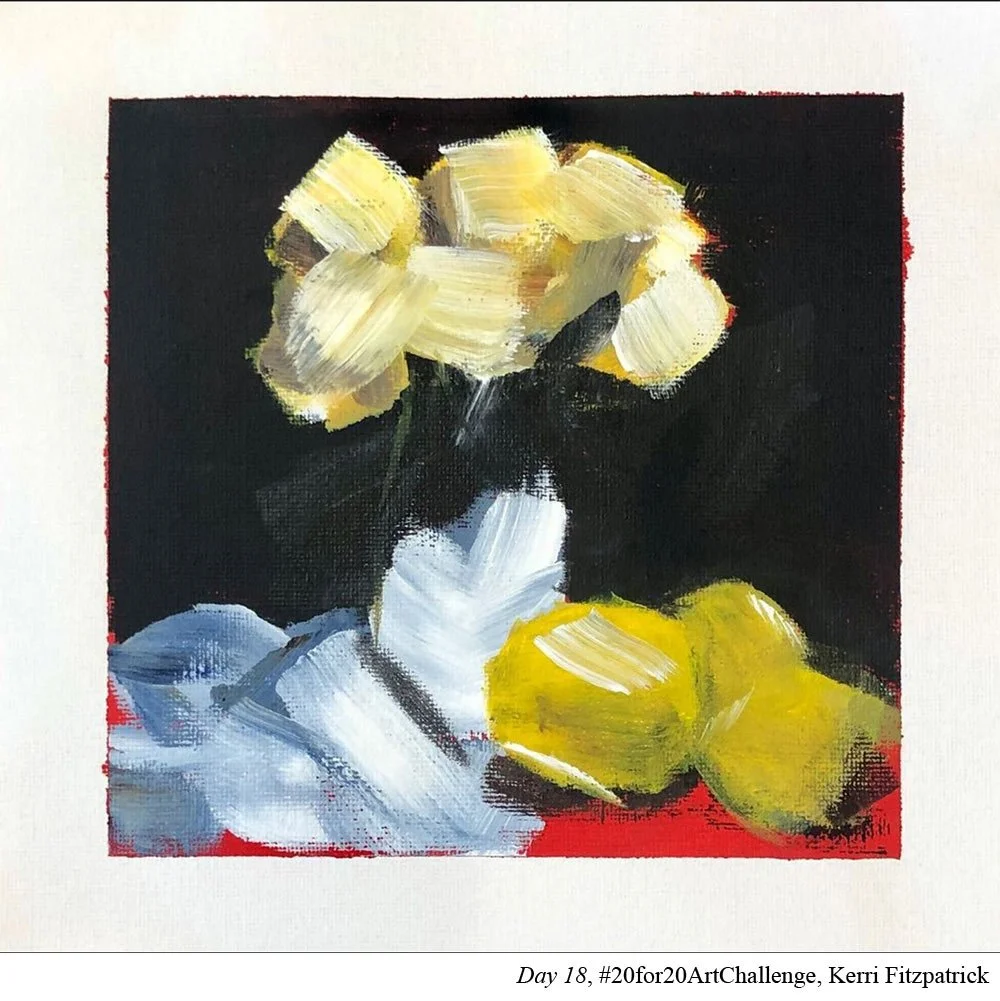
Choose the finish that matches what you're trying to learn.
If you're building a habit, choose Buzzer Finished.
If you're practicing a specific skill, choose Goals Finished.
If you're working toward a fully resolved painting, choose Project Finished.
All three have value.
The mistake is assuming every painting has to be Project Finished.
Different goals need different finish lines.
And sometimes the fastest way to learn how to finish a painting is to give yourself permission to finish it in a different way.
Put It to Practice
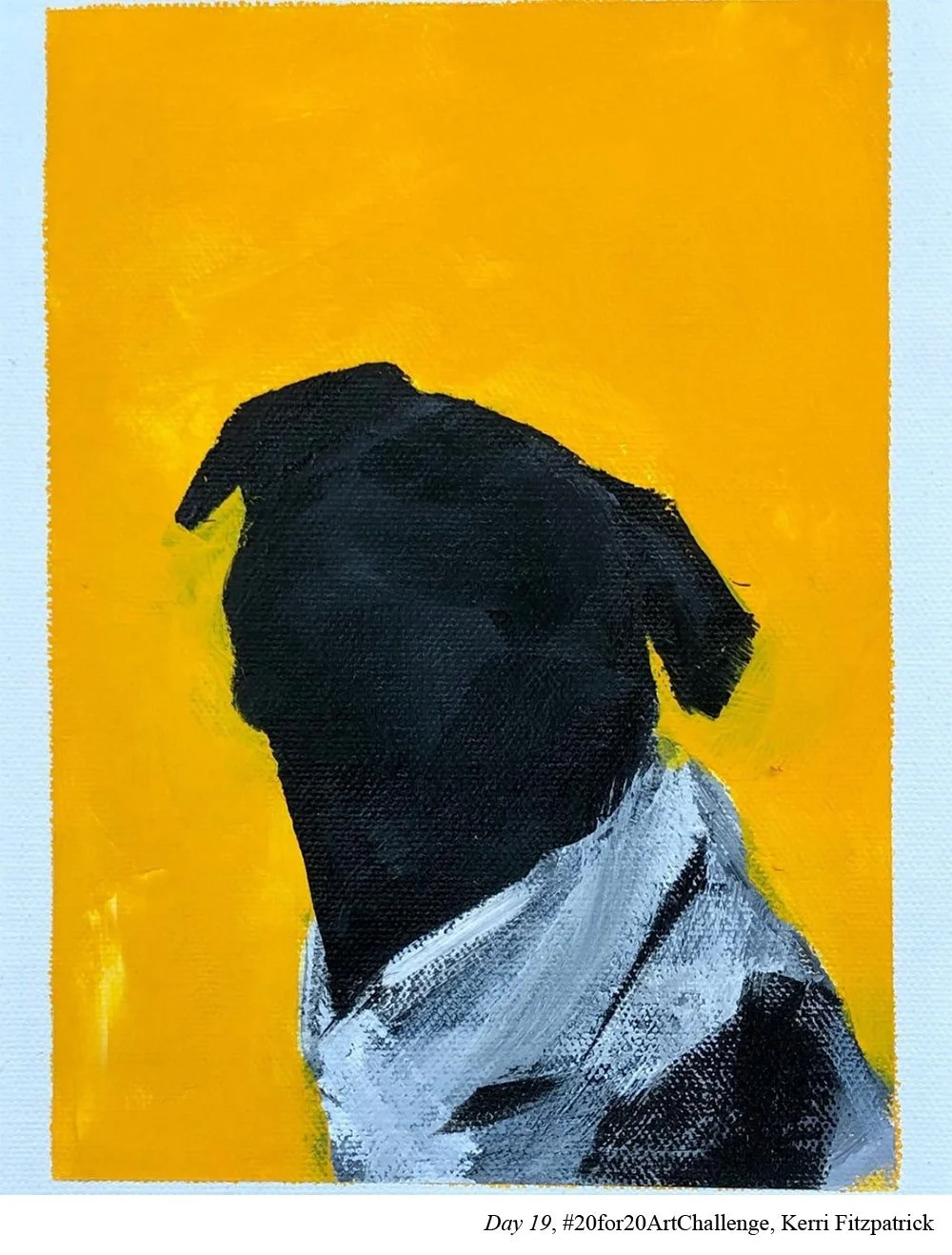
Before you start your next painting (or 20for20 Challenge), decide how you'll know a piece is finished.
Will it be finished when the timer goes off?
Will it be finished when you've practiced a specific skill?
Or will it be finished when you've fully resolved the piece?
Choose the finish line before you begin.
You might discover that the problem wasn't finishing.
The problem was thinking there was only one way to do it.