The Right Way to Build an Art Habit (Hint: It’s Not More Time)
When you’re learning to paint, one of the biggest mistakes you can make is planning your art practice around a life you don’t actually live.
You imagine the version of yourself who has long afternoons free.
Or a big studio.
Or uninterrupted weekends.
And then when those things don’t happen, painting doesn’t happen either.
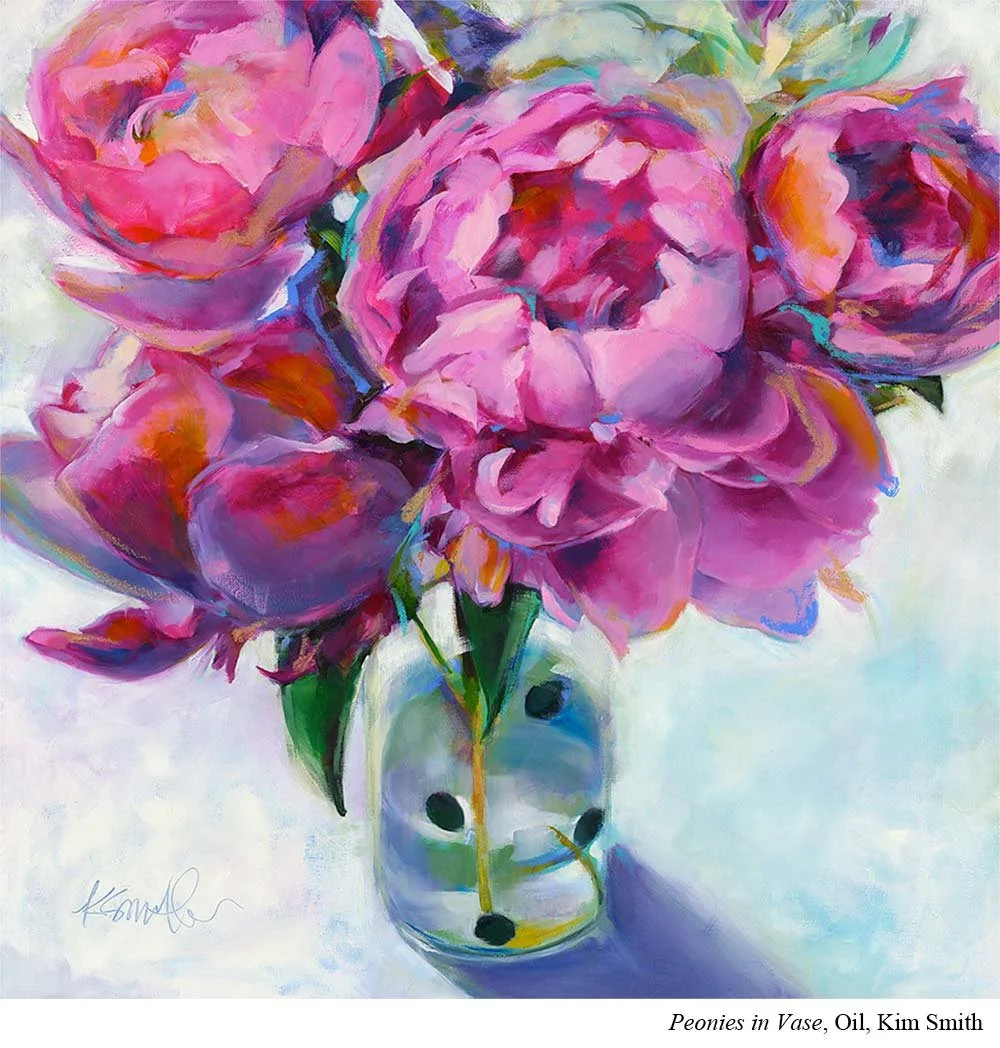
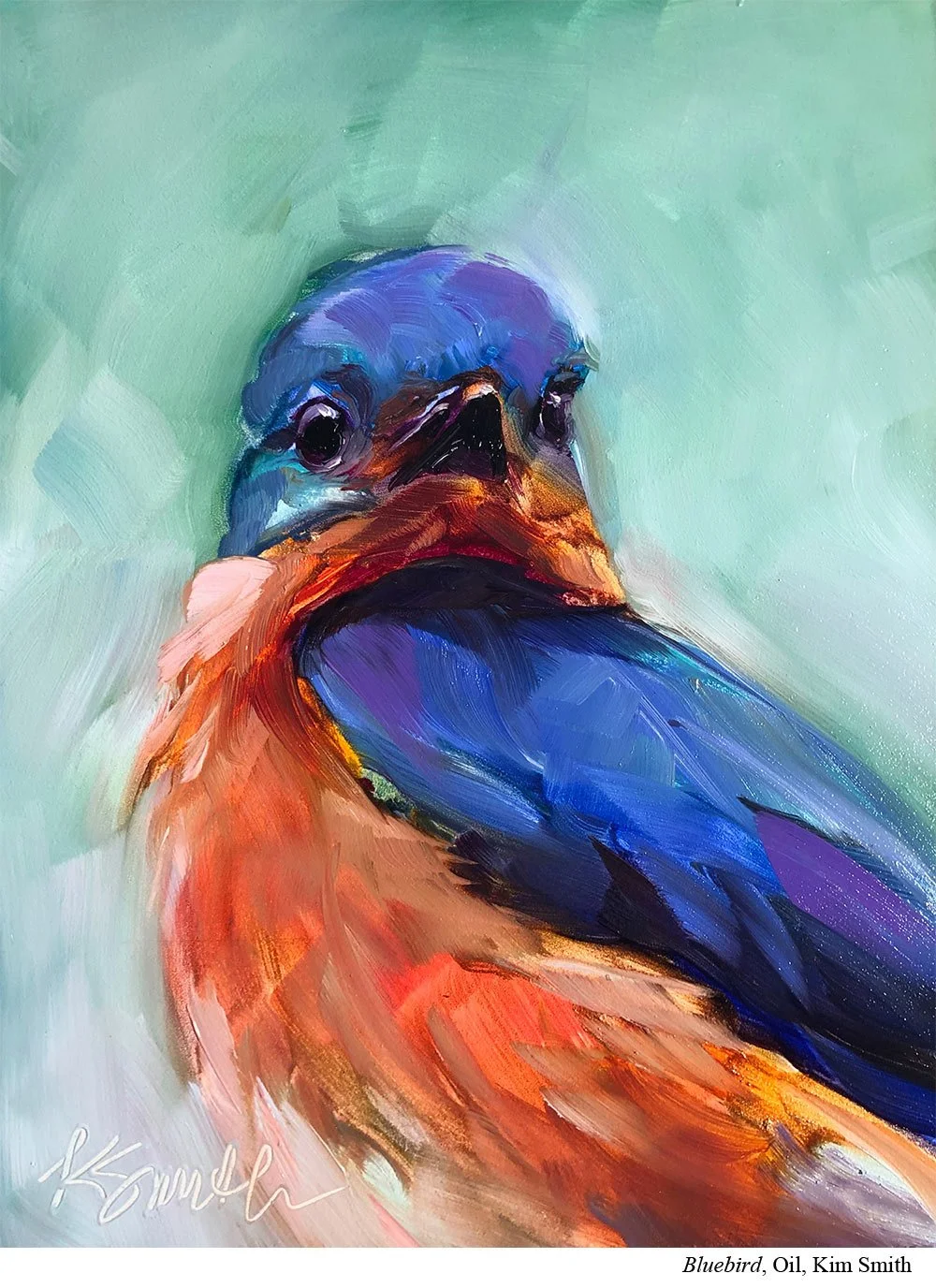
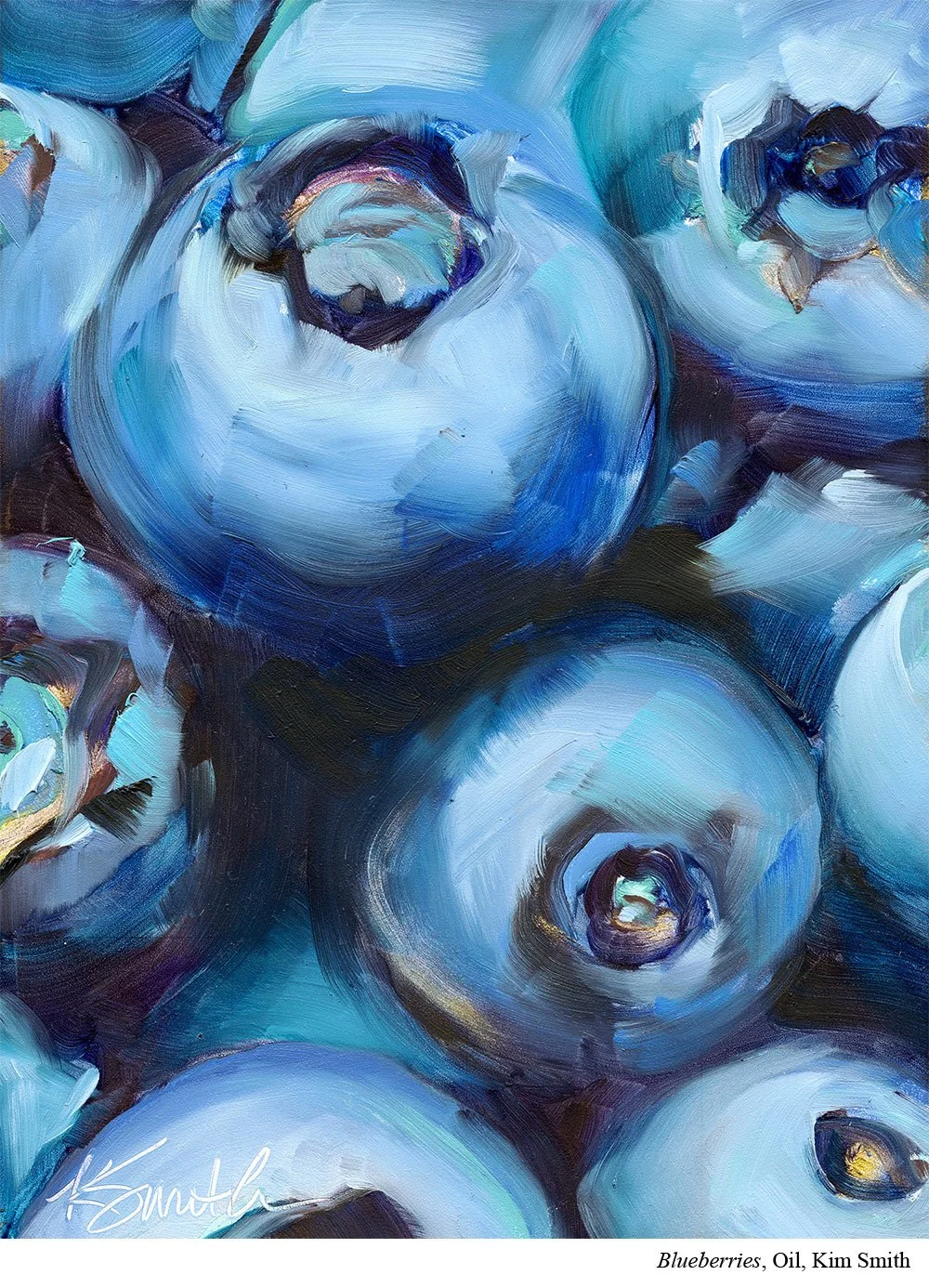
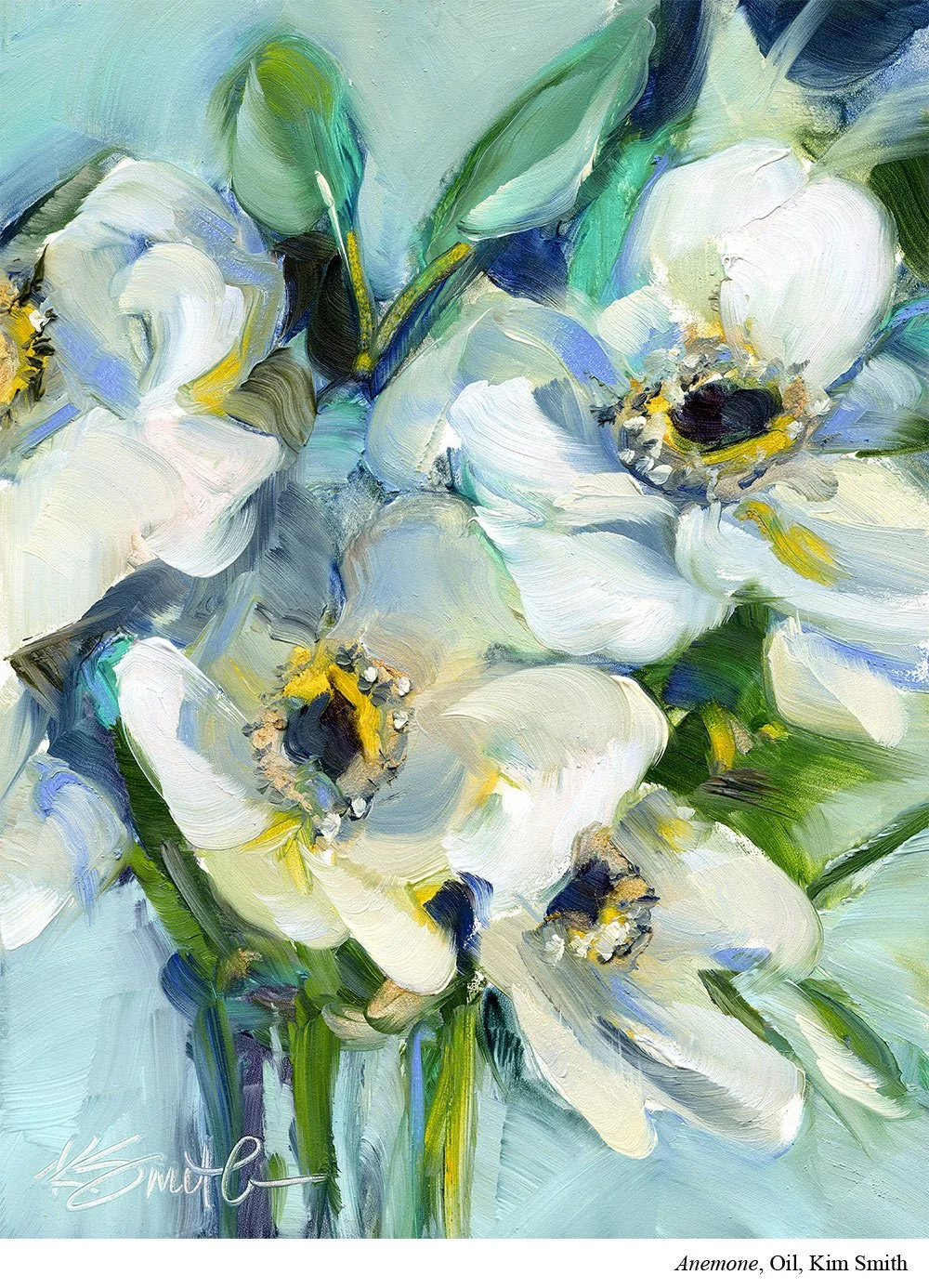
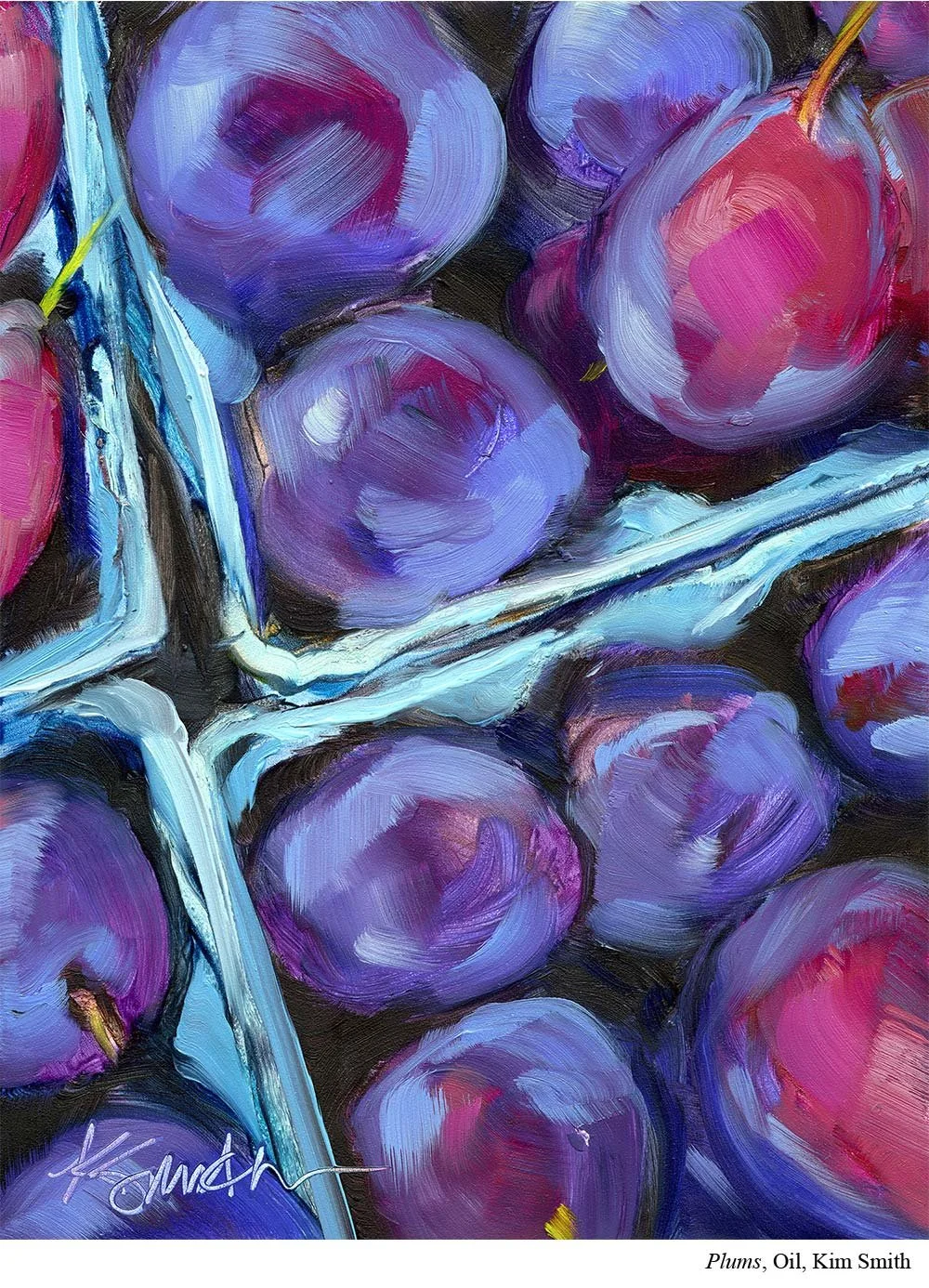
Oil painter Kim Smith (Ep.13) took a different approach and it made consistent painting possible.
Instead of asking what the ideal painting life would look like, she asked a simpler question.
“How can painting fit into the life I already have?”
For her, the answer was one hour in the morning.
That was the time she could count on before work. Not three hours. Not half a day. One hour.
So instead of wishing for more time, she built her entire painting practice around that hour. (And if you don’t have an hour, try 20 minutes.)
When you get really clear on how much time you do have, it forces you to be honest about what will and won’t work.
For Smith, would she love to paint plein air? Sure.
But that didn’t fit into the time she had.
Would she love to set up elaborate still lifes every day? Of course.
But that added too many steps.
If she wanted to paint every morning, she needed a system that let her start immediately.
So she created one.
Here’s how she did it.
Step 1: Build your reference library
Artists lose a lot of time trying to figure out what to paint.
Smith combined photos she had taken or had asked for permission to use and built her own library.
She occasionally needs to update the library, but otherwise, she’s got a large photo reference library so she never had to wonder what to paint. She’s already got a ton of great options at her disposal.
Step 2: Keep your workspace ready.
Setting up and tearing down can take a lot of time. Smith didn’t want to lose her hour to that.
Her easel stayed set up.
Her palette used a known set of colors.
Her materials stayed in the same place.
Now when she comes in, she get to the work immediately. Which means she uses most of her hour for the painting itself.
Step 3: Plan a Reset
At night, after work, Smith cleans her brushes so the next morning would be simple.
That way, the hour she had could be spent painting, not getting ready to paint.
These all might sound like small things, but together they solve one of the biggest problems artists run into.
Too many decisions.
What should I paint today?
Should I try something new?
Are those materials ready?
Do I have the right reference?
Is this worth working on?
Every extra decision makes it harder to begin.
Smith removed as many decisions as possible so she could get to the work faster.
Step 4: Shift your expectations
When you start to show up consistently, not every day is going to result in a stellar painting.
But for Smith, that’s OK. Her goal wasn’t to make the perfect painting.
The goal was to keep painting.
Over time, that consistency added up.
One hour a day turned into hundreds of paintings. And from that time skills improved, confidence grew, and Smith developed her style.
And here’s the part that’s so easy to miss. This all happened not because she had unlimited time, but because she used the time she actually had.
Put it to Practice
Instead of asking how much time you wish you had for art, ask this:
How much time can I actually count on this week?
Get really honest.
Because you’re not looking for your ideal week when everything goes magically right.
This is your normal week. With errands. Laundry. A sick dog.
Then design a project that fits inside that time.
This is exactly what we do inside the 20for20.
We commit to 20 minutes because it’s a great place to start. (Everyone has 20 minutes even with the laundry.)
And then once you know that’s how much time you have, you begin to design a project that fits that time.
If you have 20 minutes, design a 20 minute project.
But even in the Challenge, if you have an hour, design an hour project.
If you only have time a few days a week, build your plan around that.
The goal is not to do the most ambitious thing ever.
The goal is to make showing up realistic.
If you want help with that, this is exactly what we work on inside the 20for20 Art Challenge.
Before the Challenge even begins, you decide how much time you have, what project fits that time, and how you’re going to make it easy to start each day.
The goal isn’t to make your art nor your art practice perfect. The goal is to make it doable.
Because once you’ve built a structure that fits your life, you don’t have to rely purely on willpower. And instead, you start building the habit.
Now, art isn’t a thing you do when the stars magically align. Art is a thing you do because it’s PART of your LIFE.
Add your name to the newsletter list below and get notified of each new episode!