Why Loving Your Process Matters More Than Loving Your Paintings
Today, Laura Horn (Ep. 32) loves her process and practice as a whole. Every step of it is a joy for her.
But that wasn’t always true.
In fact, she spent years extremely frustrated.
She wanted to paint intuitively. To walk up to the canvas and throw down paint.
But every time she tried, she ended the session frustrated.
This is a bigger problem than most artists realize.
So often we judge our art practice by the finished painting. At the end of a session we ask, “Do I love what I made?”
But long term, a different question matters far more:
Do I enjoy what it takes to make the painting?
Because even artists who deeply love painting won’t love every piece they create.
Some paintings fail. Some feel awkward. Some never become what you hoped they would be.
That’s survivable.
What becomes much harder to sustain is disliking the experience of making the work itself.
If showing up consistently feels frustrating, draining, or defeating, eventually you’ll begin avoiding it. You’ll paint less. Experiment less. Practice less.
And over time, that affects both your growth and your relationship with art.
This is why learning to love your process matters so much.
Not because it guarantees good paintings. But because it makes it easier to return to the work again tomorrow.
And tomorrow is where skill building happens.
Yet figuring out what you genuinely enjoy about painting is rarely straightforward.
Let’s walk through three parts of an art practice that are worth learning to love.
Your Materials
We paint with physical materials. Paint, brushes, surfaces.
You should enjoy using those materials.
This is different from material infatuation.
We’ve all experienced it. You walk into an art store, see a set of oil pastels, and suddenly feel convinced they’re going to change everything.
And honestly, they might.
For about two weeks.
Then the newness wears off. The excitement settles down. Now you actually have to learn how to use the material.
That’s also the stage where frustration appears.
And that frustration is important.
It means you’re moving beyond novelty and into understanding. You’re figuring out what the material does well, what it struggles with, and what skills you need in order to use it effectively.
No brush is going to magically help you mix strong colors. That’s still a separate skill you have to learn. Then you use the brush to apply that skill.
And only after working through that process do you really discover whether you love the material.
For example, in my own practice, I was recently working on canvas with this beautiful pink-magenta background. I loved every piece, even the weaker ones, because that color brought me joy every time I sat down to paint.
The new background I’m using feels much more “eh.”
That difference helped me realize how much I genuinely loved one set of materials and how little connection I felt to the other.
And honestly, it’s been harder to want to show up for the materials I don’t enjoy as much.
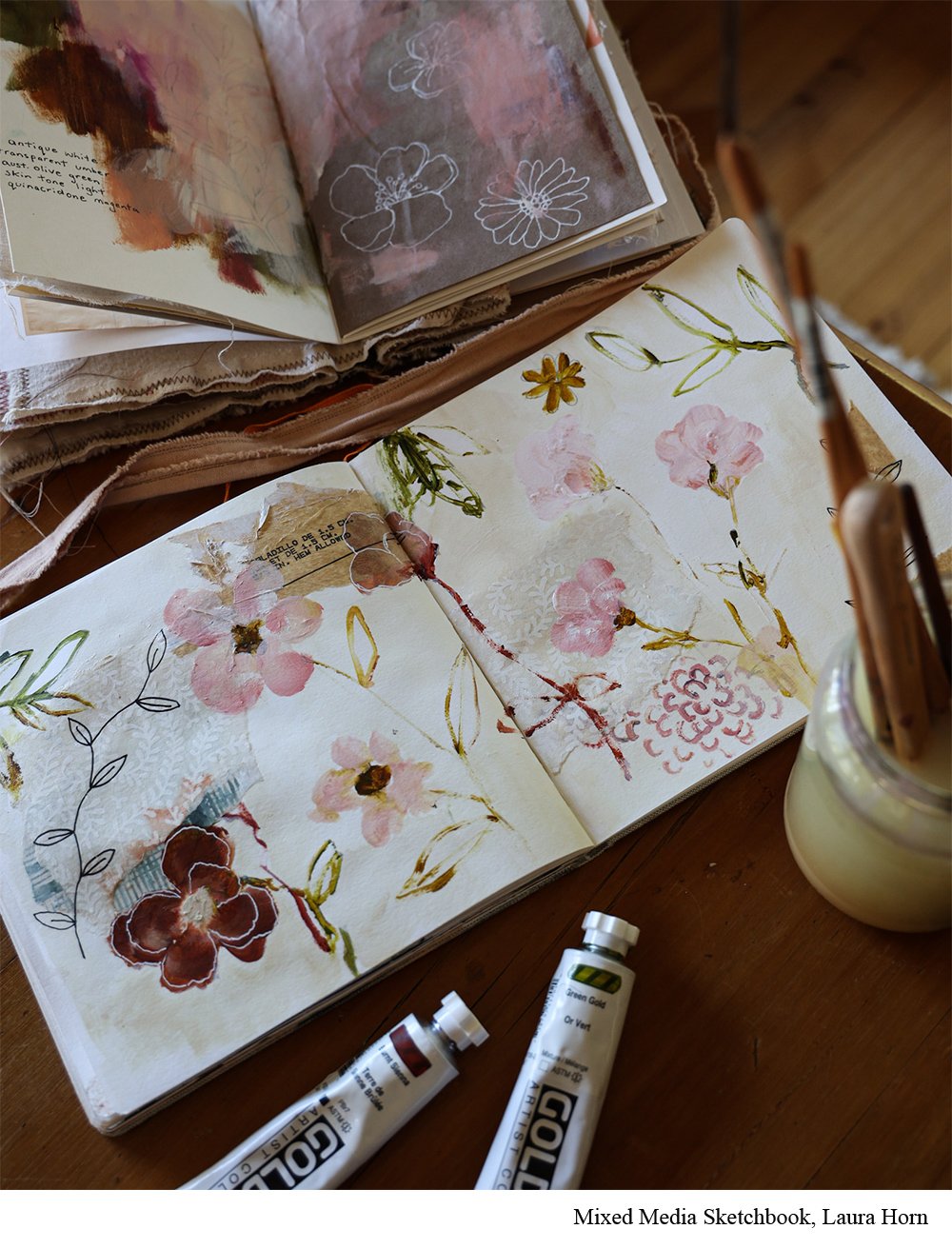
Your Process
Your process is the series of repeatable steps you use to build a painting.
It’s not just the moment where paint touches the surface. It’s how you find subjects. How you explore ideas. How you decide composition and color. How you move through uncertainty. How you finish.
And often we focus on the wrong question.
We ask, “How do I make paintings I love?”
But the harder and more important question is:
How do I work in a way that I love?
If you work in a way you love, and you continue building skills around that process, you will eventually create work you love too. Not every time. You’re not a machine. But enough to sustain you.
A lot of artists slow themselves down by focusing too heavily on the output.
They borrow someone else’s process and try to copy it exactly. Then they wonder why something feels off.
It feels off because process is deeply personal.
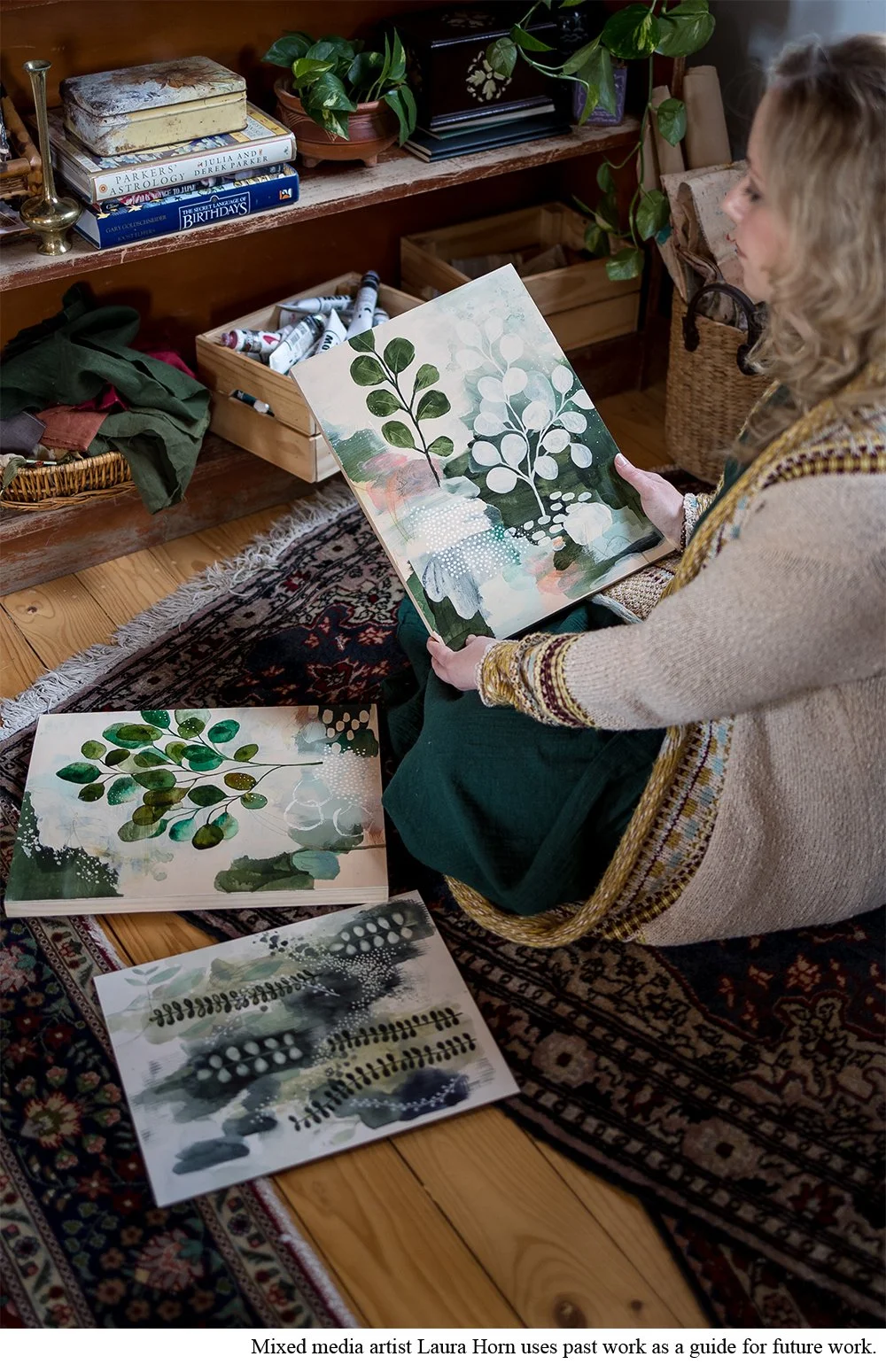
What feels exciting and fulfilling to another artist may not fit you at all.
Starting with someone else’s process is completely fine. But eventually you have to start asking which parts feel natural to you and which parts don’t.
That can become especially difficult if the borrowed process is producing paintings you or others find pretty.
Because once you start changing things to better fit yourself, your work may temporarily get worse.
At first, it can feel like you’re moving backward while you rebuild the inner structure of how you work.
Your instinct will be to return to the old process because it created prettier paintings.
But if you don’t enjoy the process itself, you’re making long-term consistency much harder.
Many artists struggle to tolerate that temporary discomfort, even when the change would ultimately serve them better.
So keep reworking your process until it feels like a better fit.
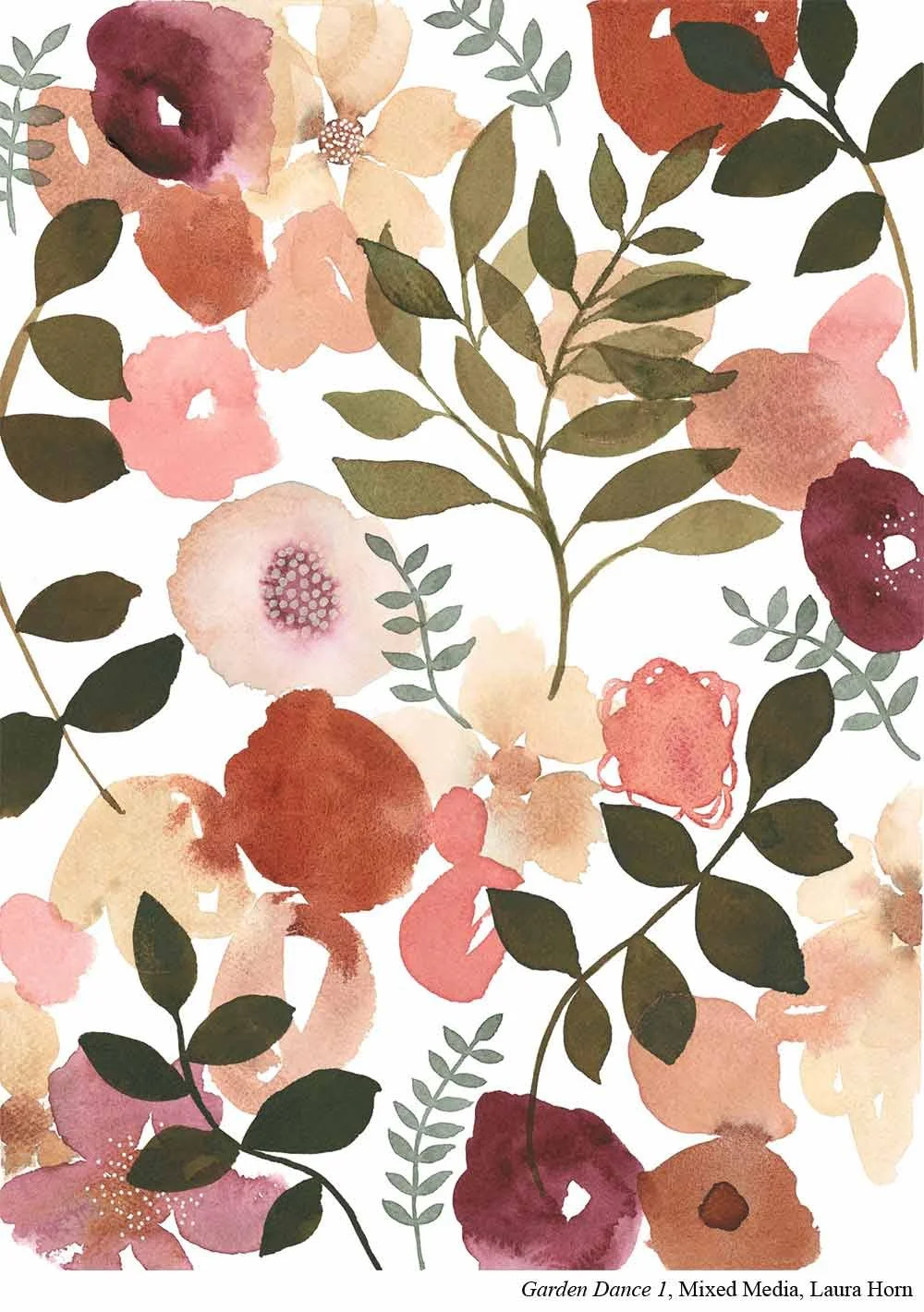
And just to clarify something important here: when I say “build a process you love,” I don’t mean every step has to feel easy.
Often beginners confuse easy with enjoyable.
They avoid difficult but necessary parts of the process because those parts don’t immediately feel fun.
Maybe drawing directly onto the surface feels tedious, so they skip it.
Maybe sitting with uncertainty for a few days feels uncomfortable, so instead they immediately throw paint around because action feels more exciting than thinking.
But then they end up confused again later.
Start paying attention to what “fun” actually means to you.
For some artists, fun means immediate excitement.
For others, and I fall into this category, part of the enjoyment comes from knowing that certain slower or more tedious steps will make the later stages stronger and more enjoyable.
Sometimes satisfaction comes from support, confidence, preparation, or skill building.

Your Mindset
Your mindset might be your most important tool. It shapes your entire studio experience.
Many beginning artists develop an all-or-nothing relationship with their work. If one thing goes wrong, the entire painting feels ruined.
That creates an impossible standard where everything has to succeed before they allow themselves to enjoy any part of the painting.
But this also trains the brain to search for flaws first.
And if your attention is always aimed at what’s wrong, eventually that’s all you’ll notice.
“But wait,” you might be saying, “Won’t this help me get better?”
To some extent, it can. Being able to spot problems can be a useful skill.
But constant criticism wears you down. Painting starts to feel high stakes. Curiosity gets replaced by perfectionism. You start to feel punished at every small imperfection.
Over time, it might make you dread and even avoid your studio time.
This is why learning to love your work requires learning to allow yourself to love your work.
Not every part of it. Not every painting. But something.
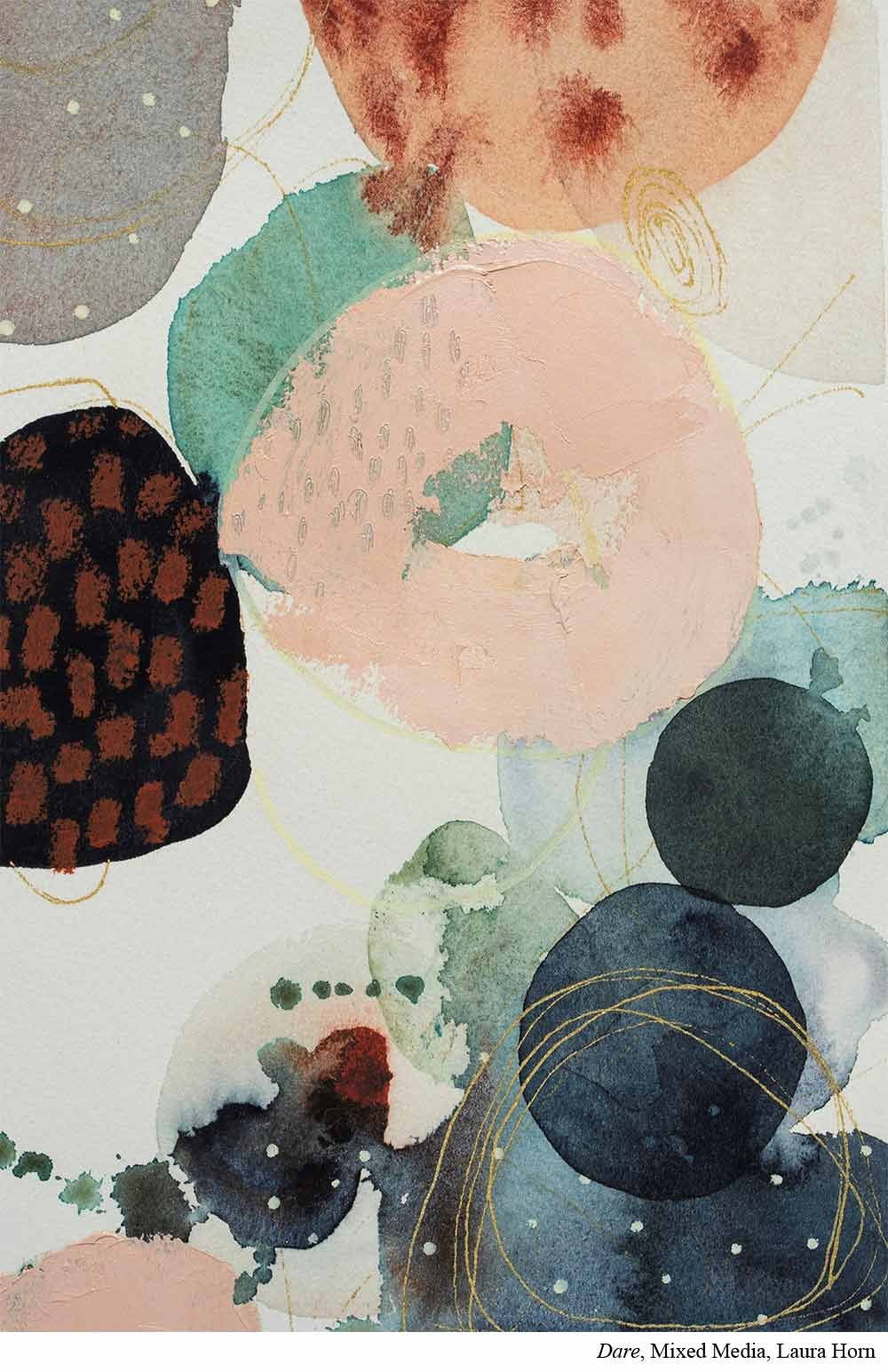
This is one reason I ask people inside the 20for20 to share triumphs and considerations every day. But the order of their sharing matters. They begin with the triumphs.
What worked?
What excited them?
What did they enjoy?
Because even on difficult painting days, there is usually still something worth noticing if you learn how to look for it.
And learning to notice those small things changes your relationship with your practice.
For me, even in the middle of a painting that has gone completely sideways, I can usually find one thing I love. Sometimes it’s a single brushstroke. Sometimes it’s one color combination that just works.
Years ago I would’ve dismissed those small elements if the painting as a whole didn’t work.
But I’ve trained myself to find something. Now I try to celebrate what worked and stay curious about what didn’t.
What has surprised me is that often those small discoveries become important later. They lead to ideas, breakthroughs, or directions I would’ve otherwise missed.
But this shift has proven even more powerful long term. Because I’ve made my studio (and my mind) a safe space to be.
Which makes it easier to love the days where things work AND the days where things absolutely do not work. That makes it so much easier to keep showing up.
Put It to Practice
Learning to create work you love comes from building systems and structures you enjoy returning to.
It’s about looking at the different pillars of your art practice and experimenting until you find approaches that genuinely fit you.
And this work is deeply personal.
No one else can fully answer these questions for you because no one else knows what actually brings you joy, calm, excitement, or satisfaction.
Look at three of your artistic pillars:
Materials
Do you genuinely enjoy using your materials once the novelty wears off?
Do they feel natural in your hands or are you constantly fighting them?
Are you expecting the materials themselves to create results that actually come from skill building?
If you’re frustrated, is it because the material is a poor fit, or because you’re still learning how to use it?
Sometimes the answer is, “I don’t actually like working this way.”
And sometimes the answer is, “I need more time with it.”
Those are very different problems.
Process
Do you enjoy the steps you move through to make a painting?
Which parts energize you?
Which parts drain you?
Are there steps you constantly rush through because they feel uncomfortable or slow?
Are you building enough structure into your process to support the kind of paintings you want to make?
Pay attention to where you consistently resist your own process.
Resistance often points to something important.
Sometimes it means a step needs more skill. Sometimes it means it needs more clarity. Sometimes it means you’re trying to work in a way that doesn’t actually suit you.
Self
What do you focus on first when you look at your work?
Are you able to notice what’s working alongside what isn’t?
Are you speaking to yourself like someone who is learning, or like someone on trial?
Are you allowing yourself to enjoy small victories, even inside difficult paintings?
Because if every painting session ends with you berating yourself for some small thing that didn’t go right, eventually your brain will stop wanting to participate.
It’s simple: We avoid experiences that consistently feel bad.
The goal isn’t to build a practice where every painting turns out beautifully.
The goal is to build a practice where showing up still feels worthwhile, even on difficult days.
That’s the kind of practice people can sustain for years.
And years are what allow really good work- work you love creating- to emerge.
Find the full conversation with Laura Horn here.