A Smarter Way to Mix Color (Hint: It’s Earlier Than You Think)
What if each time you started a painting, every color you needed was already mixed and waiting?
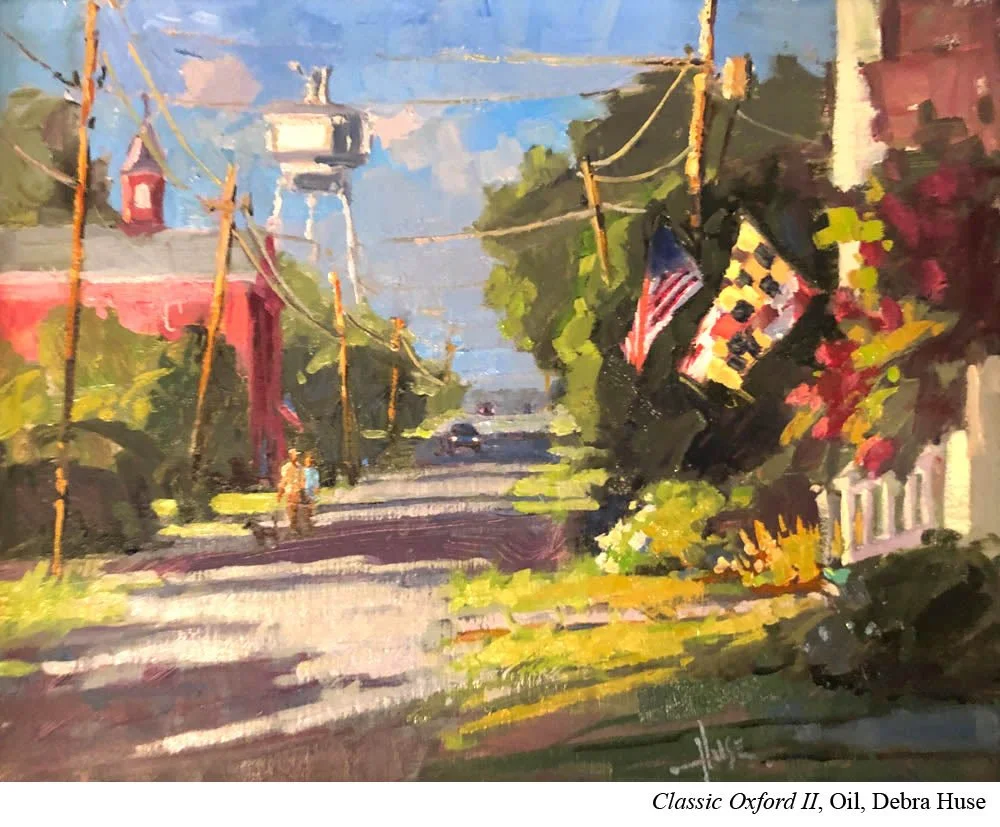
The bright blue of the sky, ready. The dark greens of distant trees and the bright yellow-greens of foreground grasses, ready. The pink of the flowers, ready.
No stopping mid-painting to mix. No scrambling to recreate that perfect orange or green.
You just load your brush and paint.
Sounds pretty magical, right?
But it turns out, it’s not magic. It’s a system.
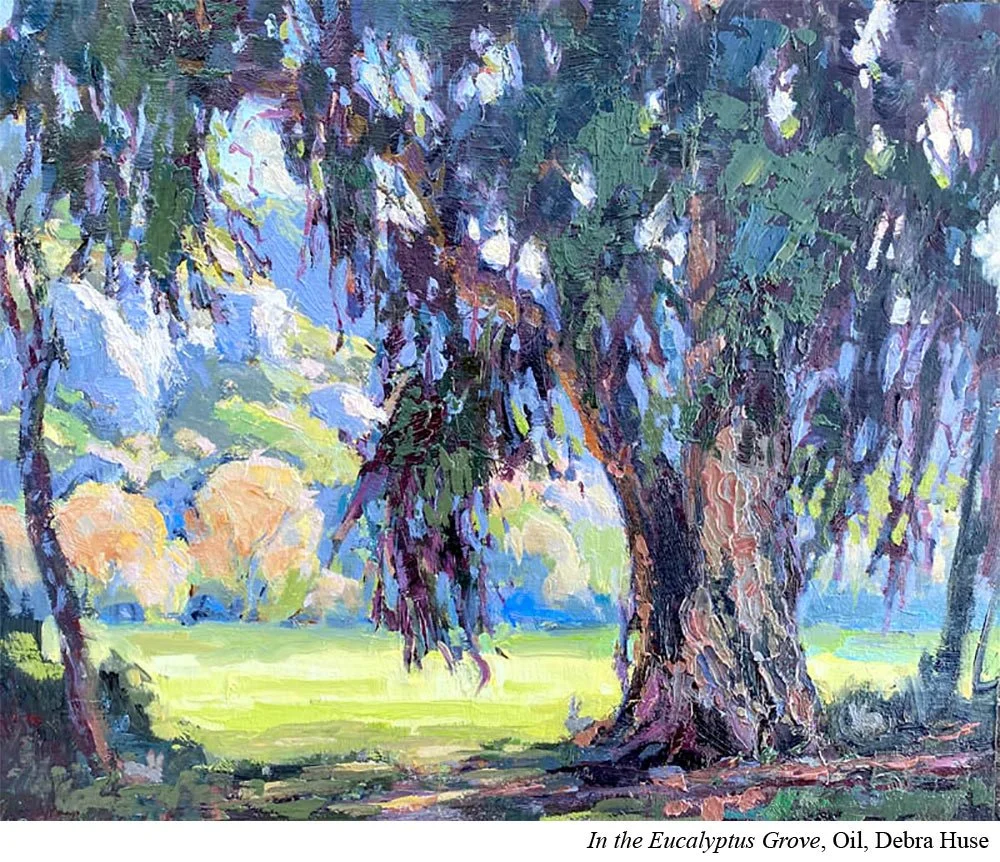
It’s called premixing, and it’s how Debra Huse (Ep. 98) sets up her palette every time. It’s what allows her to paint with confident brushstrokes and clear, intentional color.
What is premixing?
At some point in every painting, you mix color.
Most artists wait until the moment they need a color to mix it.
This is just-in-time mixing.
For example, you’re painting along, you reach the pink flowers in a meadow, and now you pause to mix the pink you need and use it right away.
But you get to decide when you mix it. And just in time mixing is not your only option.
Premixing moves your mixing earlier in your process.
Before you begin painting, you decide what colors you’ll need and then you mix them upfront. Now when you start, those colors are already there, ready to go.
Overall, you’re not changing what you do. You’re changing when you do it.
Why premixing matters
Premixing isn’t just about when you mix your colors. It changes the whole painting experience.
First, it makes painting calmer.
When you start a painting, it can feel like a starting gun has gone off. You’re trying to keep up with drying paint, changing light, or interruptions from outside the studio.
This can add to your overall anxiety about a painting.
Premixing lowers some of that anxiety.
You do the thinking before the pressure starts. Then when you paint, you can use those choices to keep moving forward.
Second, it builds your color mixing skill.
When you mix on the fly, you’re often rushing. You grab something that’s close enough and move on.
Premixing gives you time to actually think.
What yellow am I trying to mix? Is it warm or cool? Muted or bright? What combination gets me there?
That’s deliberate practice. And that’s how your eye and skills improve.

Third, it leads to cleaner color.
When you mix under pressure, you’re more likely to settle for something that’s close enough.
You might grab the wrong color or need to adjust after the fact.
Rushed decisions lead to muddy color.
When you mix as you go, you’re more likely to settle, adjust, fix, and layer over mistakes.
When you start with a plan, you increase your chances of placing color intentionally.
Which leads to cleaner color overall.
Fourth, it leads to more confident brushstrokes.
Confidence comes from clarity.
When you’re unsure what color goes where, you hesitate and you rework.
Premixing removes a big chunk of that uncertainty.
You’ve already decided what colors you’re using and where they go. Now you can focus on placing the mark.

How to set it up
1. Make sure your materials support it
Oil painters naturally benefit from premixing because paint stays workable longer.
If you use acrylic:
Use slow-drying paints like Golden OPENs or add retarder
Consider a stay-wet palette
If you use watercolor:
Use a palette with enough space for mixes
Pay attention to moisture consistency, especially for wet-into-wet
Know that reactivating dried paint changes how it behaves
You can premix in most media. But you may need to adapt your setup.
2. Adjust your mindset
Premixing can feel really uncomfortable.
Why? Because your inner critique will tell you you’re delaying the real work. Your brain wants you to jump straight to paint on the surface.
That discomfort is totally normal.
Remind yourself that premixing is part of painting. You’re not wasting time. You’re making decisions earlier so the rest of the process feels smoother.
It also helps to make this an official step in your process.
Physically write out your process and include premixing. That makes it easier to hold the time, especially when it feels uncomfortable.

3. Give your colors a home base
When artists like Huse premix, they lay their colors out in the same place every single time.
This helps them and you build muscle memory on color placement. You learn that when you need a yellow, it always lives here. And orange, here.
On paper it doesn’t seem like much to have to search for your yellow. But within the complex context of color mixing, even the tiniest obstacles add up.
Do the same for your mixed colors. Give them a place so you’re not searching every time you need them.
4. Plan your colors
Look at your reference and decide what you’ll mix. This is exactly the kind of thinking Huse does before she ever starts painting.
If you’re painting lemons on a teal plate, you might plan:
Yellow: light, mid, dark Teal: light, mid, dark
From there, decide how you’ll mix them. You might mix a dark version and lighten it, or create several variations upfront.
You can always adjust as you go. And you’ll begin to learn how you want to work.
5. Be patient
At first, premixing won’t feel easier.
In fact, it’ll feel much harder. It’s a new way of working where you’re doing more thinking upfront. That can feel really unfamiliar.
But give it time. You’ll figure it out. It’s a learnable skill just like all the rest.
When I started premixing with a limited palette, everything changed. My color became more intentional. My brushwork became more confident.
But the biggest shift was it gave me a space to play.
Painting asks a lot of your brain. When you’re making every decision in real time, it’s easy to get overwhelmed.
Premixing moves a large portion of that thinking to the beginning, when you have the most energy.
So once you’ve got those choices made and those colors mixed, you have the rest of the painting to just enjoy the process.
Put it to practice
Premixing takes time to learn.
Remember, you’re not adding work. You’re just moving when the work happens. You’re shifting it from mid-painting to the beginning.
Try it for 20 paintings or 20 days.
That gives you enough time to get past the awkward phase and start seeing what works.
And at the end, you might decide it’s not for you.
Or you might find a new way of working that helps you create stronger paintings and enjoy the process a whole lot more.
P.S. If you want to actually test something like premixing instead of just thinking about it, that’s exactly what we do inside the Art Habit Membership. We focus on building a consistent practice so you can try ideas like this on a consistent basis. Learn more here today.