Why You Keep Falling Off Your Art Practice (And How to Fix It)
Listener Debbie wrote to me kind of frustrated. At the start of the year, she’d just successfully finished a 20for20 and felt so good about her practice. She saw the growth that was possible when you show up consistently.
But she’d only make it a few more weeks after the Challenge was over before she fell off.
At first it was something small. A social event ran late and she was too tired to paint when she got home. Skipping one night couldn’t hurt, right?
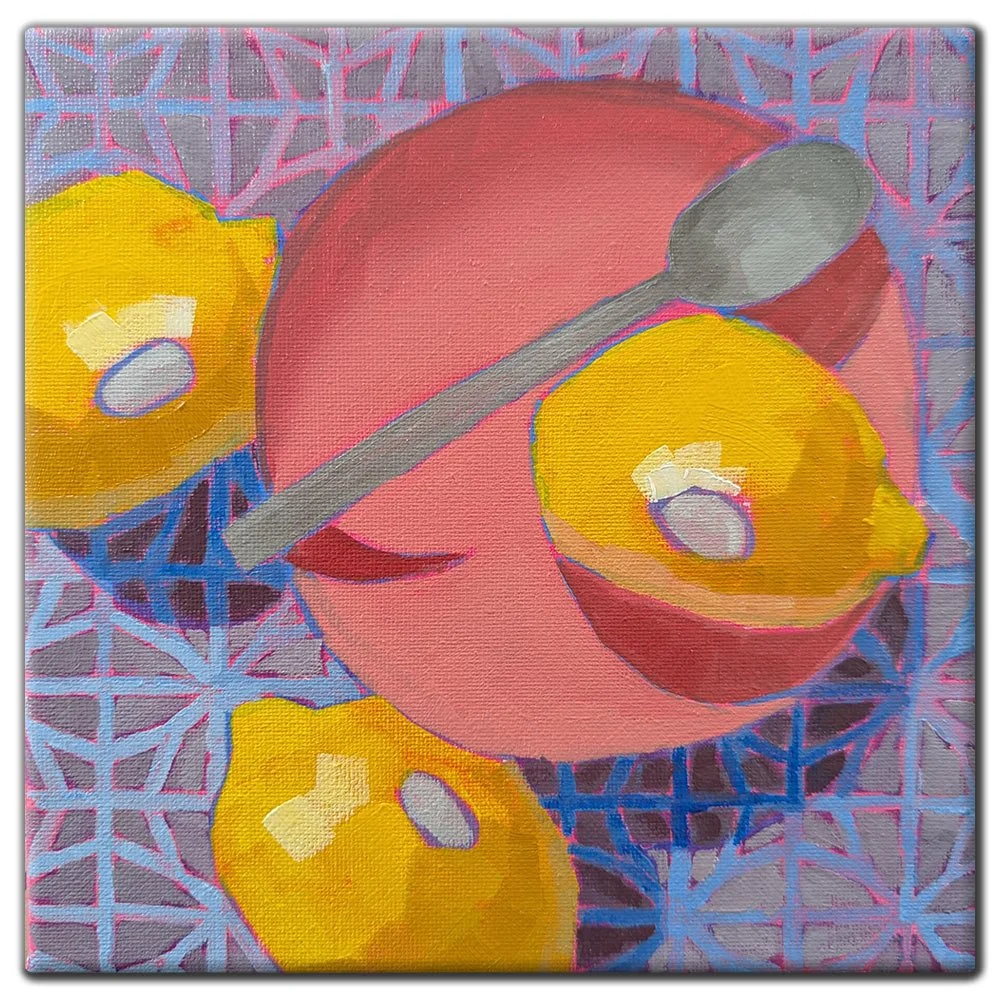
[I’m currently working on still life in my practice.]
But then she woke up mad at herself. She started to avoid her studio altogether to avoid the feelings of disappointment. And now it’s been months since she’s painted. What went wrong?
This might be a letter from Debbie, but it’s a type of letter I get several times a month. Artists like you who showed up, reaped the benefits, and then wonder why you can’t seem to keep going once a challenge or class ends, even though it’s what you WANT TO BE DOING.
This question comes from deep frustration.
My response, always? Absolute excitement.
Because this question tells me something important. You are at a crossroads. Your old ways of working have stopped working. And you’re ready for something new. You aren’t here because you’re on the wrong path. You're here because you're on absolutely the RIGHT path. But you need to shift how you're doing some things.
Let’s walk through three big (but totally doable) shifts.
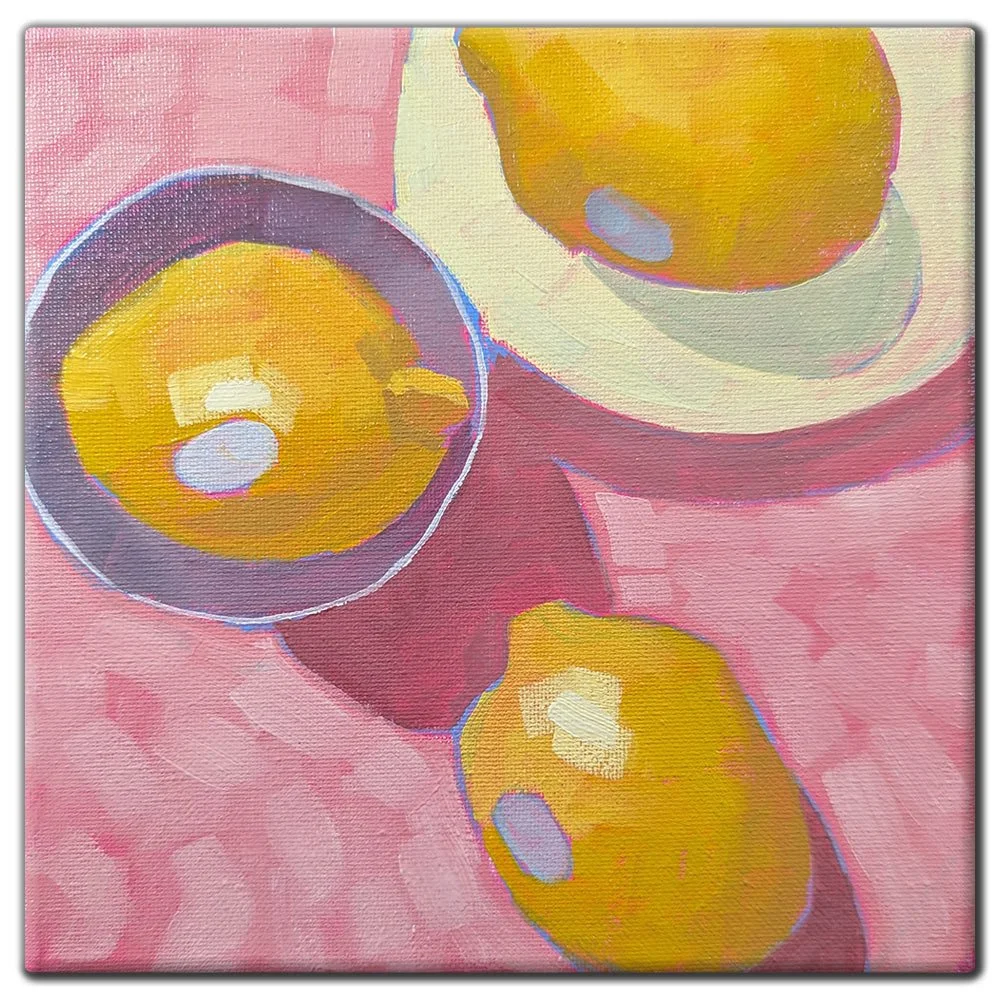
[And it means I'm working on a lot of the SAME thing.]
#1. Shift from Inspiration to Habit
Inspiration is a magical artistic drug. It fills you with energy. It makes you feel brave. It makes everything feel possible. That might come from a new set of paints, a new class, or a new idea. Newness fuels your engine.
But new wears off. Every single time.
For a while, the cycle works. You pick up new tools, build new skills, and make progress. But eventually you want something deeper. You don’t just want to try things. You want to use those skills to create a body of work. Work that feels like yours.
That kind of growth needs sustained focus. Inspiration just isn’t built for that. It wants new, new, new. Sustained focus sounds old old old. And your inspiration disappears.
So if you want to go deeper, you have to learn how to work without inspiration leading the way. You have to learn how to work with habit.
That’s where systems and structures come in.
Painting takes energy. Consistent painting takes more. When you build systems around your time, space, materials, and projects, you create something that carries part of that weight. That’s what lets you show up on the days when you’re traveling, busy, tired, sad, or sick.
The 20for20 helps artists start this process. In it we commit to working 20 minutes a day for 20 days. And we begin building the systems to support that commitment.
But these systems aren’t something you copy and paste. You have to build them inside and specifically for your real life. And to do that you next need to…
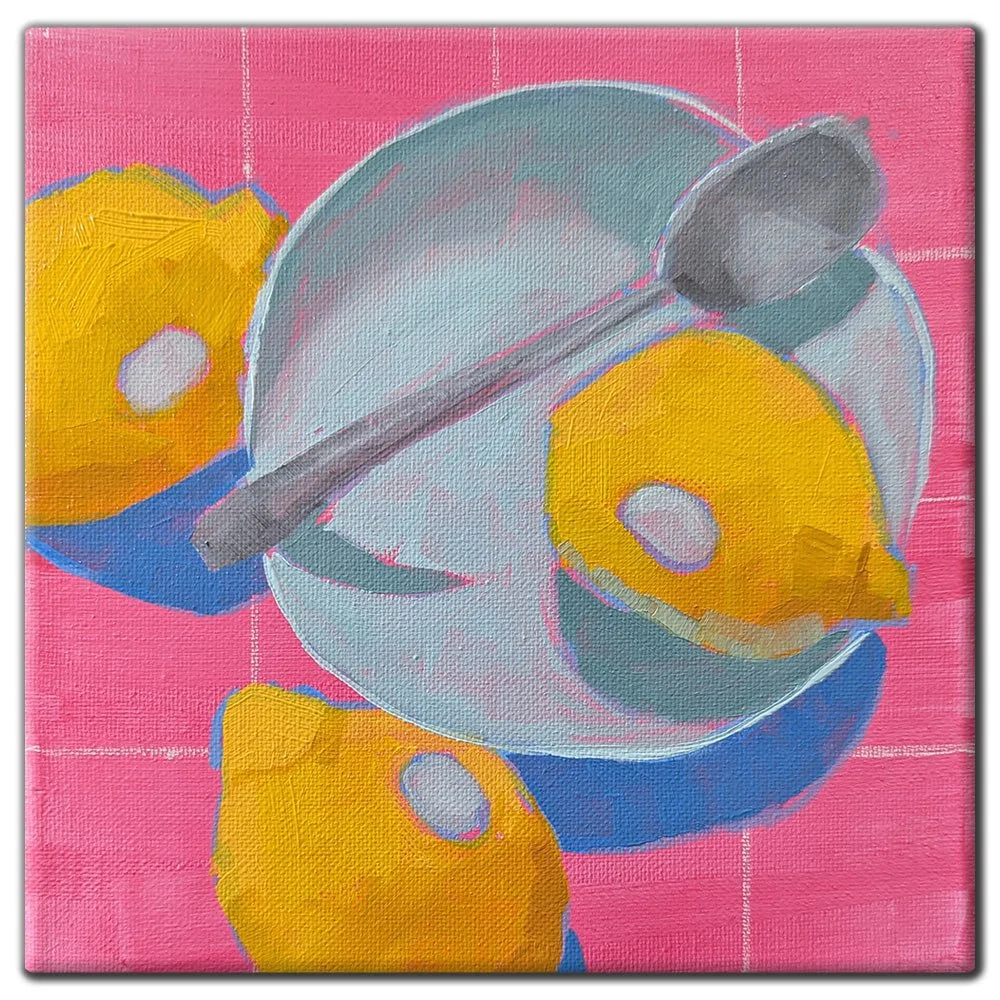
[The reason is so I can build systems that support the daily work.]
#2. Shift Your Thinking Around Failure
Building systems takes trial and error. A lot of both. And that means things won’t work right away.
In the past, you might have tried something, had it work for a few days, and when it stopped working you thought, “Well, that failed.”
Failure though isn’t a dead end. It’s a bend in the road. But you have to be looking for how to make the turn.
You try something. Some of it works. Some of it doesn’t. Both are useful. You adjust and try again.
Inspiration hates this part. It tells you to abandon what isn’t working and go find something new. It tells you to switch mediums, switch ideas, start over.
But you’ve already done that. And it got you here.
But to go deeper, what you need now is the ability to stay. To sit in the discomfort of something not working yet. To try again. And again. And again.
Because that’s where real progress happens.
This takes time. And you have to give yourself permission to take that time. That permission piece is why I structure the Art Habit Membership as a six month commitment. Not because change takes forever, but because it doesn’t happen in a week or even a month. And it can really only happen if we give ourselves permission for it to take the time to run the trials, experience the errors, and learn from both. And that’s a shift in thinking we learn to make.
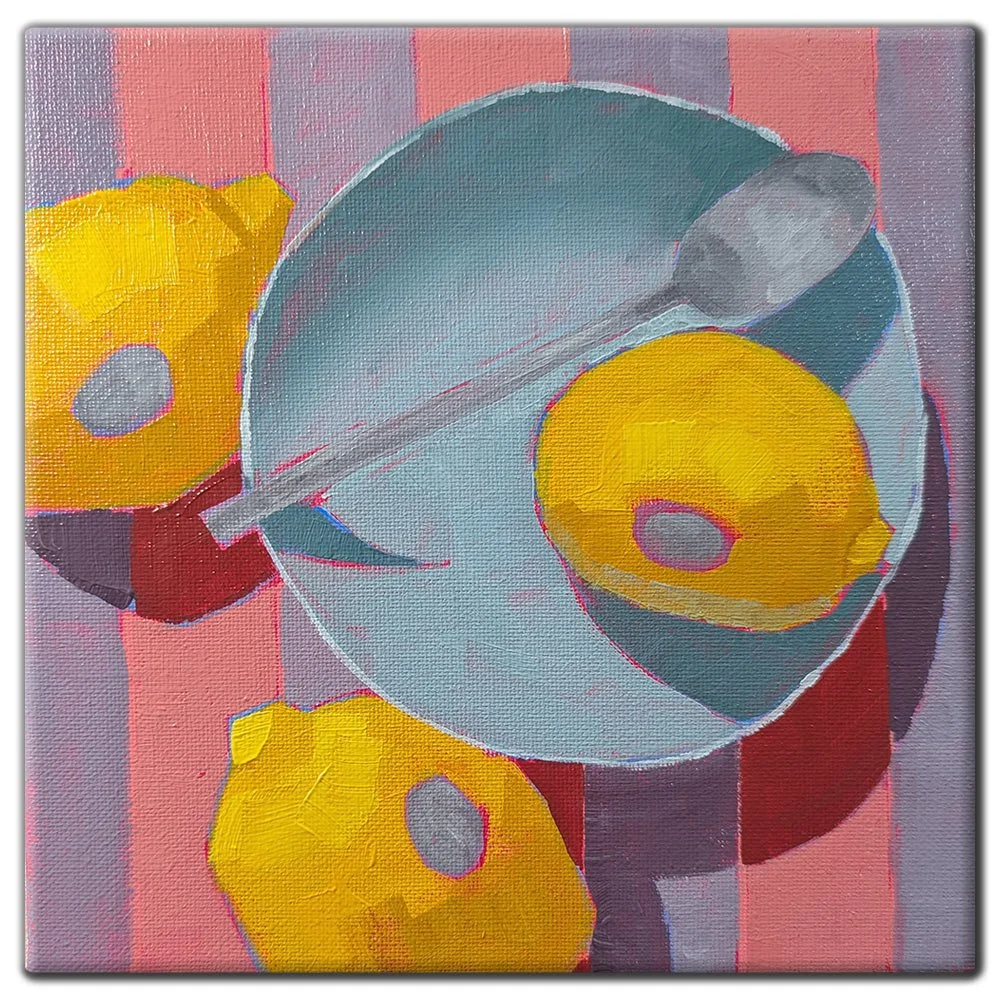
[But it's also so I can hit a problem again and again and again in order to work on solving it.]
#3. Shift Out of Isolation and Build a Way Back In
If all of this sounds exhausting, you’re not wrong. Systems help, but they don’t carry everything.
This is where support makes a difference.
A lot of artists do their work alone. Alone in their studios. Not sharing what they are working on.
We do this in part out of safety. While we’re learning and growing skills, we don’t want people thinking that we think we’re amazingly talented. So we don’t share anything we’re working on until our skills have improved or we become more confident.
We tell ourselves we don't deserve the cost of a membership or class because we haven't earned it yet. "Maybe some day when I'm better."
But here's the trap you fall into.
Doing this work is hard. And doing it alone makes it harder. Humans are social creatures. We are wired for connection. That connection doesn’t just make the group stronger, it makes each of us more resilient in our own practices. We push through harder things more easily and give up less often.
Accountability is one of the simplest and most powerful community tools you can use.
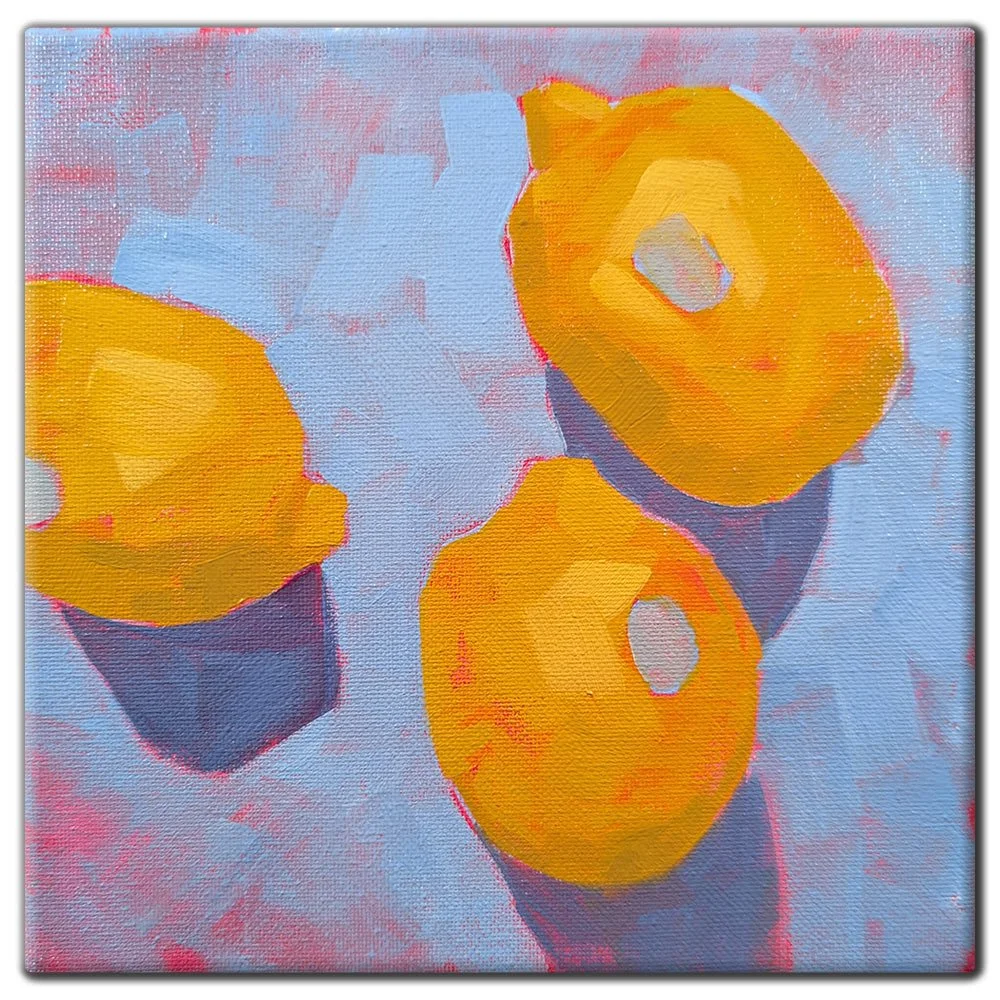
[Building habit, using failure as growth, and having community support makes this all possible.]
It’s part of why the 20for20 works so well. You’ve said, out loud, “I’m doing this.” And that makes it easier to follow through, especially on the days when you’re debating skipping.
You think, “I’m tired. I’ll do it tomorrow.” And then you remember the work you saw others post. You remember you said you’d show up. And you do.
That doesn’t just help you today. It makes it easier to show up tomorrow.
But being a part of a community long-term does something even more important. It gives you a way back in.
Because no matter how good your systems are, you will fall off sometimes. Life gets full. You miss a day. Then a week. And if you’re not careful, much longer.
The problem isn’t that you step away. That’s normal.
The problem is not having a way back in.
This is where something external really matters. A membership. A class. A structured cycle.
Inside the Art Habit Membership, everything runs on a monthly rhythm. There’s always a new starting point. So if you fell off last month, you don’t have to figure out how to restart on your own. You just step back in on day one.
And that’s celebrated. In fact we intentionally talk about it through monthly accountability calls. We take that information- why did I fall off, what was happening- and ask, “What can I learn from this to try again.”
Because the goal is never about perfect consistency. (And it’s certainly not about beating ourselves up. Bleh.) It’s about learning (1) how to return and then (2) growing from the experience.
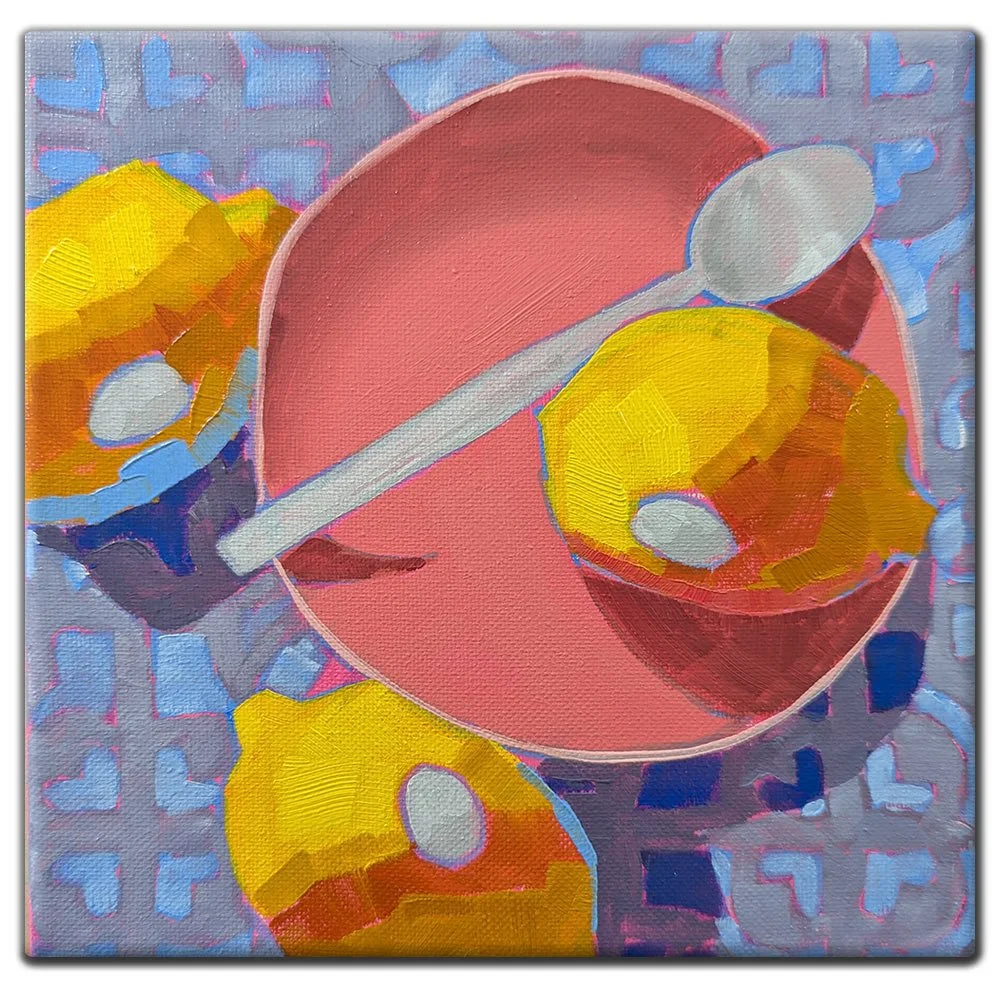
And I'm not where I want to be yet. But I'm having so much fun working to get there.]
WHERE TO GO NEXT
So yes, Debbie felt frustrated and incredibly disheartened.
She’d dropped out of her painting practice for months. She was starting to wonder if maybe she should give up altogether.
To make matters worse, she went back and looked at her work from the January challenge and she loves it. How could she have quit when she was just getting momentum?
She saw all that effort now as wasted. She felt like she must be on the wrong path. Maybe even that she wasn’t meant to be an artist and this was finally the proof she’d been waiting for.
But me? I see it for what it is. Something beautiful and exciting. Debbie is ready for change. She’s ready for growth. She has outgrown her old ways of working and is ready for something deeper.
So when you find yourself in that same place, having walked away and asking why, don’t stop there. That’s not a rhetorical question. It has an answer.
And I can give it to you right now: The reason you didn’t keep going is because the systems you had in place weren’t built to support the kind of deeper work you’re asking yourself to do. Your ways of thinking needs an update to move you forward. You’re ready for the next big shift.
And this is really good news. Because even though it feels bad. It feels frustrating. You now have incredibly valuable information. Which means now you can start doing something about it.