You Didn’t Miss the Boat with Suzanne Allard (Ep.121)
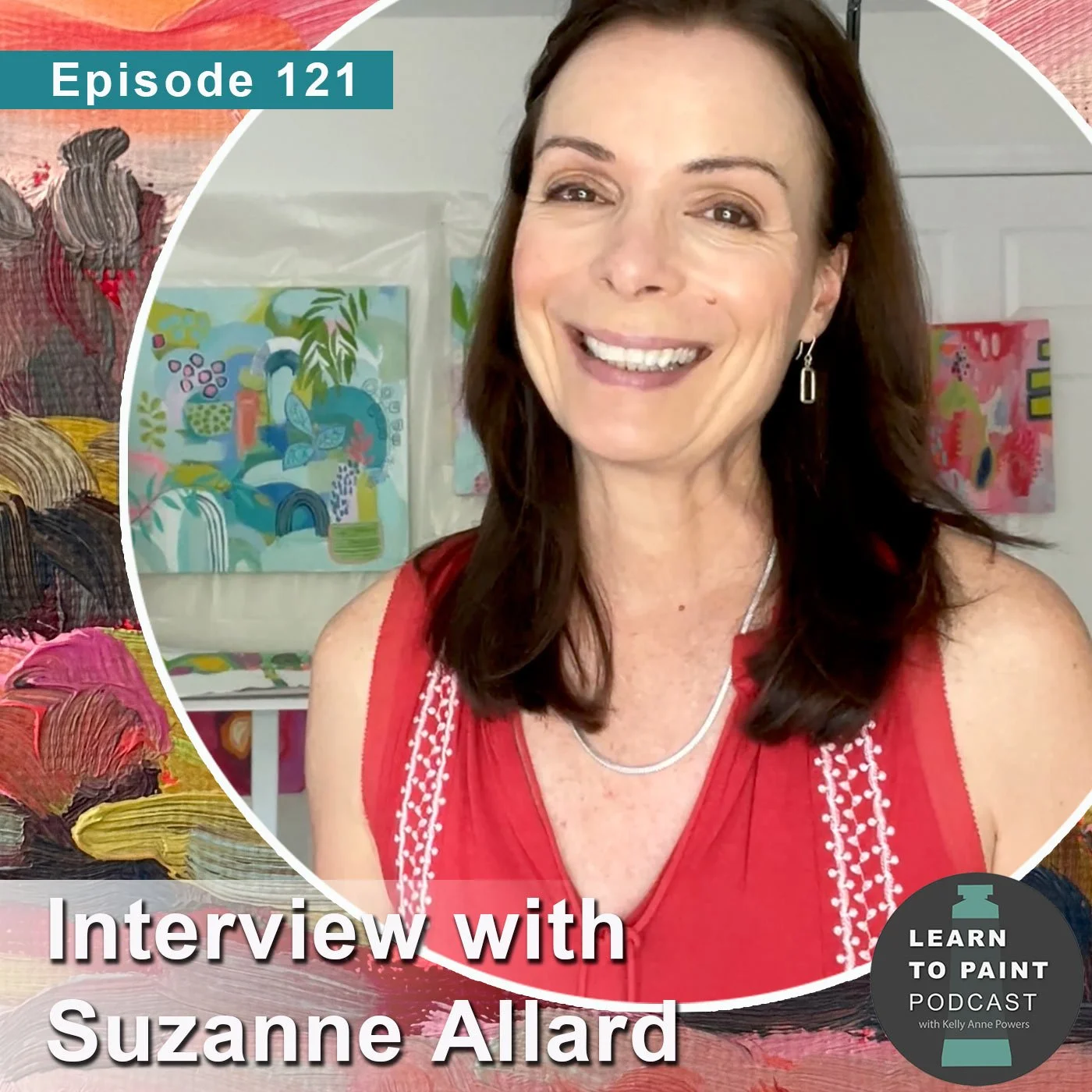

Learn more about Suzanne Allard:
WEBSITE / CLASSES / INSTAGRAM / FACEBOOK / YOUTUBE / PINTEREST
Freebie: Color Mixing Success FREE ebook and 7 module class
Many artists quietly believe there is a deadline on creativity. If you did not start young, it can feel like you missed your chance.
In episode 121, Suzanne Allard about where that belief comes from and why it does not hold up.
Suzanne shares her story of beginning to draw and paint in her early 50s, along with the fear, pressure, and self talk that shaped her early creative experience. Allard shares what actually helps artists move forward. Gentle entry points, low pressure practice, and learning how to stay with discomfort all play a role.
This conversation is for artists who feel behind, overwhelmed, or unsure whether it is worth starting or continuing at all.
In this episode, you will learn:
Why starting late is more story than reality
How low pressure prompts help build momentum and confidence
The difference between fear of judgment and fear of how you feel about your own work
How to lower pressure when your art practice starts to feel stressful
Why creative growth requires patience, pauses, and trust
Allard also shares insights into her acrylic landscape process, how she chooses references, why she works in phases, and how she balances focused learning with play.
Whether you are picking up a brush for the first time or trying to reconnect with your practice, this episode offers a grounded and encouraging perspective on what it means to keep going.
Art Club: Find your ad free version here.
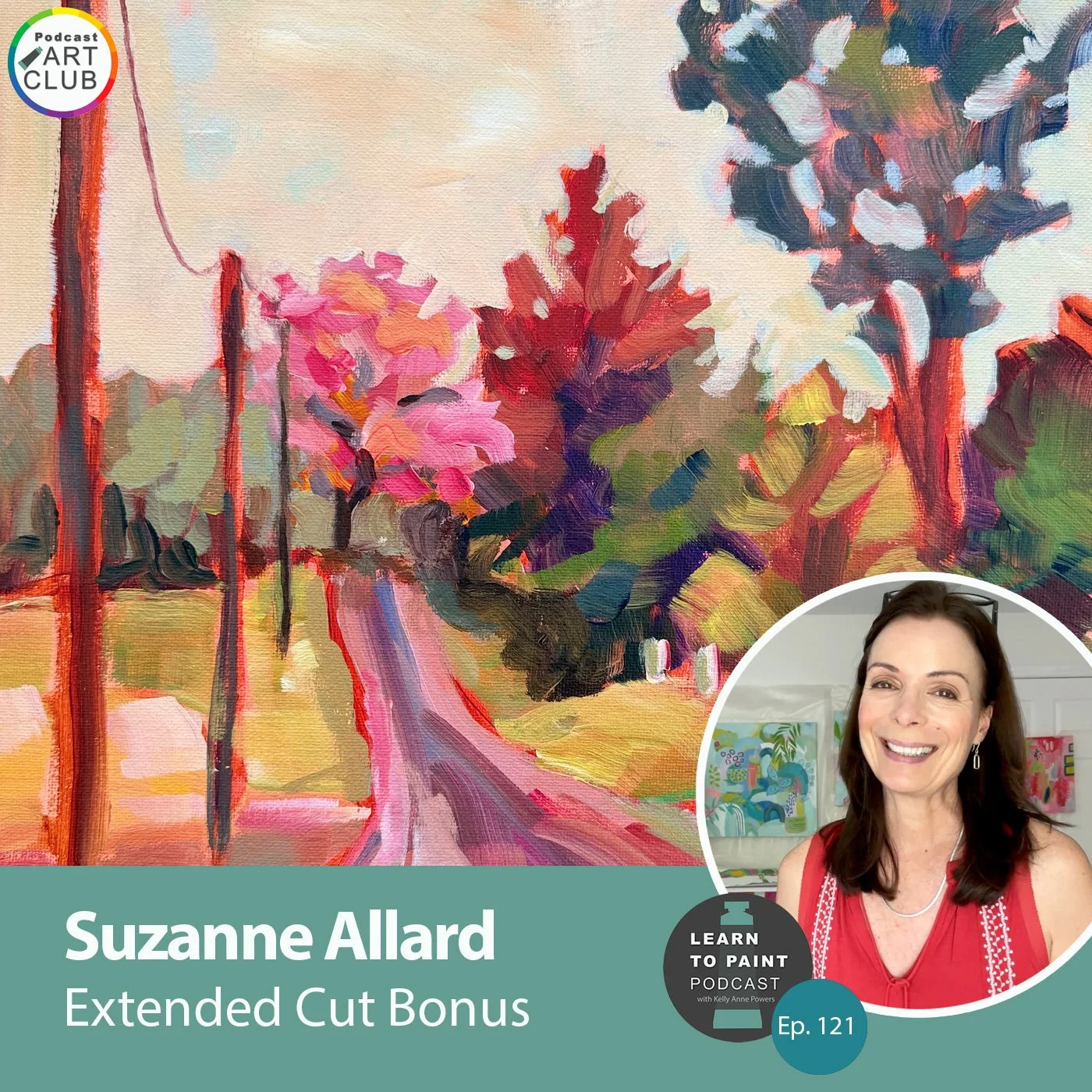
Bonus Episode (Podcast Art Club)
In the bonus conversation, Allard goes deeper into how she actually works in the studio and how looseness, confidence, and expressive color are built through intentional choices rather than talent or speed.
Allard shares why setting constraints, like limiting the number of shapes or colors in a painting, can make it easier to simplify and stop overworking. You’ll learn how she uses reference photos as a jumping-off point rather than a rulebook, and how shifting from object-based thinking to value- and shape-based thinking changes the way you approach landscapes.
The conversation also explores how color confidence develops through play and repetition, why avoiding straight-from-the-tube color helps build a personal color language, and how reducing friction in your setup makes it easier to paint more often without overthinking materials or wasting supplies.
This bonus episode is especially helpful if you are trying to loosen up, simplify complex scenes, or feel more confident making color decisions in your own work.
In this bonus, we cover:
Why constraints are one of the fastest ways to loosen up your work
How to think in shapes and values instead of objects
Using reference photos as inspiration rather than instructions
Building color confidence through experimentation and repetition
Simplifying landscapes without losing interest or depth
Making it easier to paint more often by reducing setup friction