There’s More Than One Way to Learn to Paint
There are many ways to build your skills as an artist. When designing your self-study, it can be helpful to see how others have approached learning to paint.
All artists build their skills differently, but they tend to fall into three general categories. Let’s take a look.

FINISH WHOLE PAINTINGS SLOWLY
First, you can build your skills through working through finished paintings slowly. I call this a multi-step approach.
This often included sketches and studies before you begin larger or more complex work.
Chris Krupinski, Carrie Waller and Carol Carter, all watercolorists, worked through single, complex paintings while learning to paint.

Why this works:
There is a lot to learn at every stage of the painting process. It can be easy to quit halfway through when a painting enters its ugly stage, but there are things you won’t learn if you never finish anything. Finishing matters when you’re learning to paint.
If the work you want to do is bigger or more complex, you may also need more time than you have in a single sitting. Painting is tiring work. If you feel yourself getting tired, take a break and come back to it when you have more energy. Sometimes that takes more than one day—and that’s absolutely okay. No one is keeping track of your time but you.
DAILY PAINTING
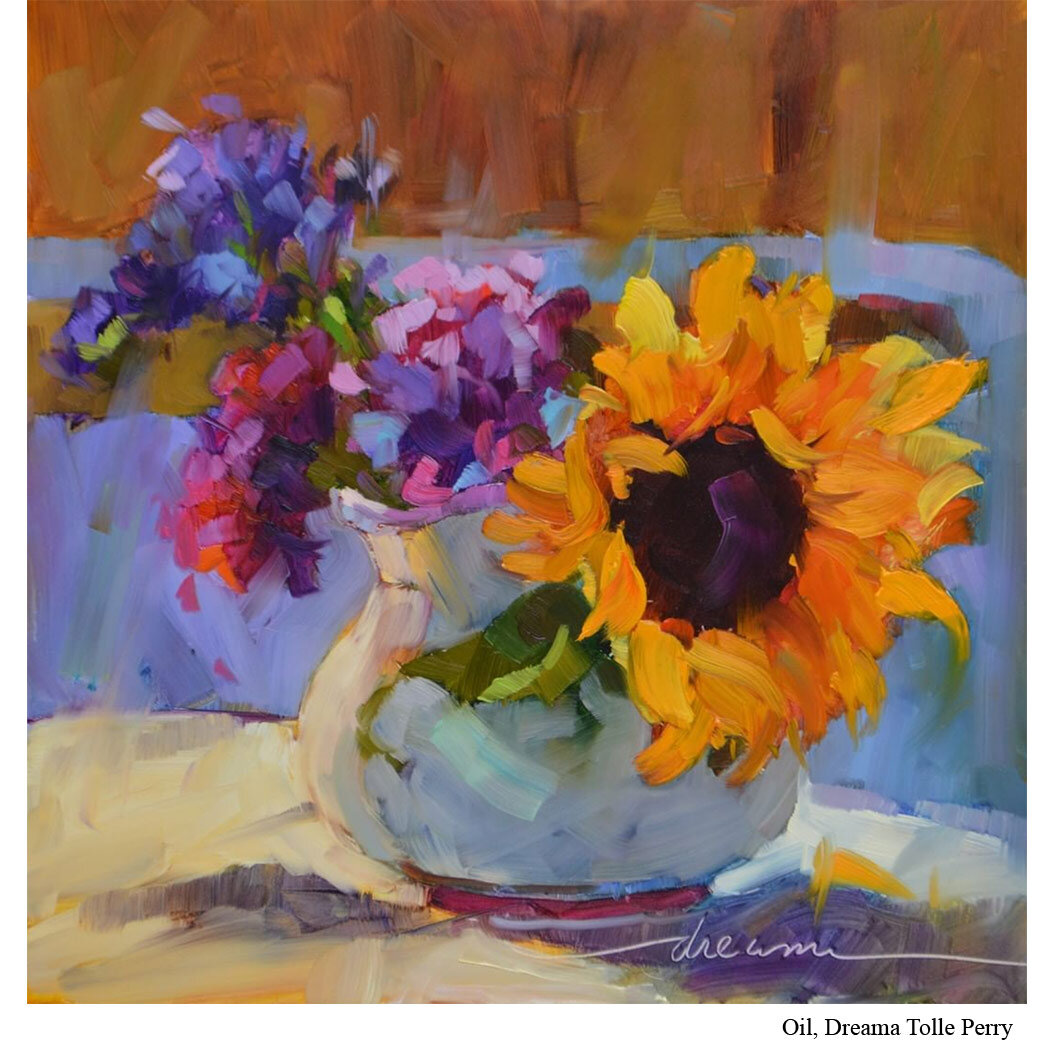
Another term for daily painting is alla prima painting. Alla prima loosely means “all at once.” You generally finish an entire painting in one sitting.
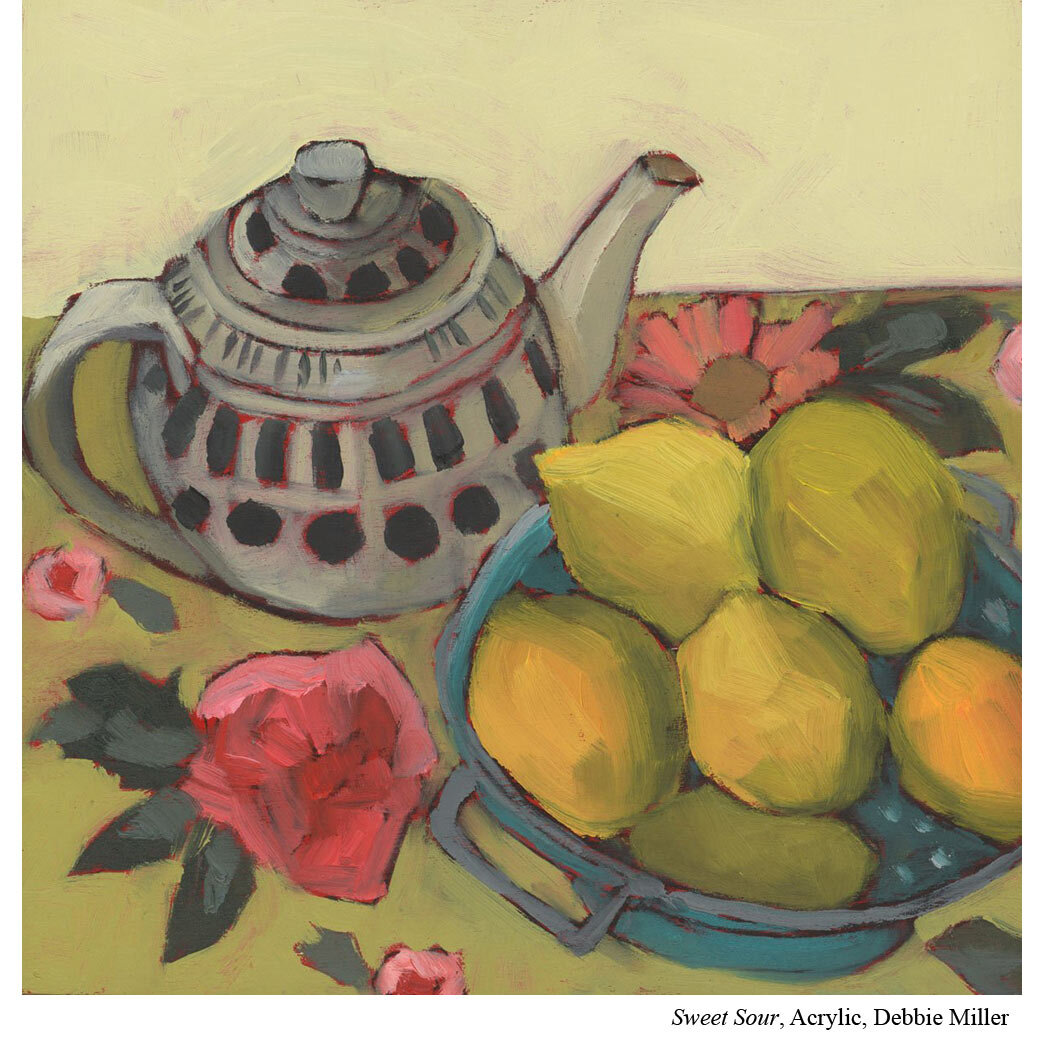
Lisa Daria Kennedy, Debbie Miller and Dreama Tolle Perry all fall into this category. Each of these artists started and finished a painting all in one sitting as part of their skill development.
Why this works:
One benefit of daily painting is that no single painting becomes precious. You can try ideas in one painting and then carry what you learned into the next.
You can also see progress very clearly. You can ask yourself, “Did I paint today?” If the answer is yes, great. If the answer is no, you know it’s time to get to work.
Daily painting encourages you to hold space and time for painting. It pushes you to create systems that allow you to finish a painting in a day. It asks you to confront the very real limitations of time and priorities—and then work within them.

EXPERIMENTS AND EXERCISES
A third way to build skills is to focus on experiments or exercises.
Sometimes you just need a small fire lit under you—and that working on a full painting (even a small one) can feel overwhelming.
Jane Davies is a great example of this approach. Davies sets up challenges for herself (and encourages her students to do the same) that get them working—and working fast. Speed matters because it allows you to react instinctively to the painting. That quick response gives you something to look back on later: a way to notice your tendencies without getting down on yourself.
Why this works:
Experiments and exercises are low on the intimidation scale. Because they have a lower perceived barrier to entry (you’re not committing to a finished painting), they’re easier to begin.
They also allow you to focus on one thing and improve more quickly, which can be a real confidence boost. Painting involves a lot at once, but exercises let you narrow your focus in a way that feels manageable and fun.
Experiments and exercises are also a great option when you’re just beginning, when you’re feeling stuck, or when you simply need an artistic change of scenery.
ANYTHING TO GET YOU PAINTING
All guests agree on one thing: the more you paint, the better you’ll get. There is no wrong way to learn to paint, well, except one that makes you miserable.
If you find yourself avoiding the studio, take a look at how you’re approaching your painting time. It may be time to switch things up and try an approach that works better for you right now, wherever you are in your painting journey.
Remember: there are as many ways to learn to paint as there are ways to paint. It may take a few tries to find an approach that makes learning feel fun and rewarding, but it will be worth it in the end.
PUT IT TO PRACTICE
Take a moment to reflect on how you’re currently learning to paint.
Are you someone who enjoys settling into a single painting and seeing it through to the end?
Do you feel most motivated when you can complete a painting in one sitting?
Or do you do better with small experiments, exercises, or challenges that lower the pressure to “finish”?
Choose one approach to try for the next week or two. Don’t aim to find the perfect method. Just notice how it feels to show up using that structure.
If painting has started to feel heavy or hard to begin, changing how you practice may be the simplest way to get yourself painting again.
Get ideas to help you get better at painting sent straight to your inbox. Sign up below.